
Moritz von Oswald & Ordo Sakhna // S/T 2x10"
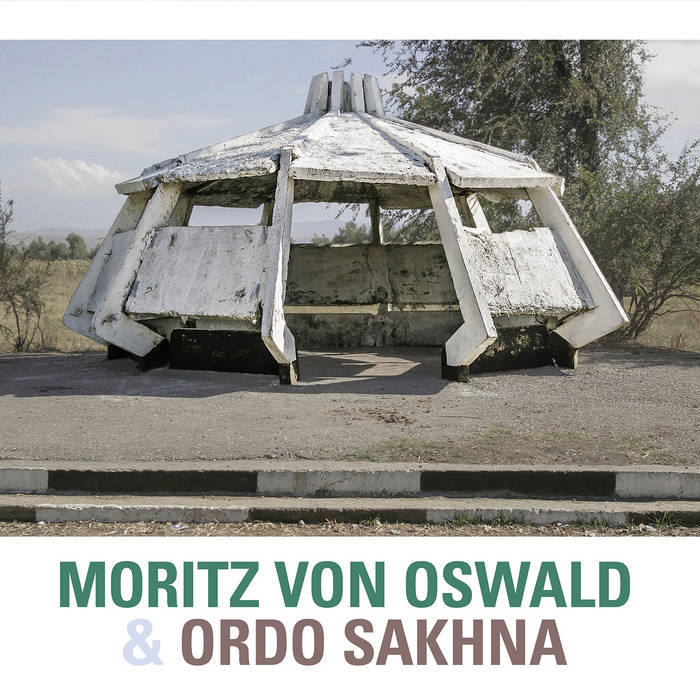




Moritz von Oswald & Ordo Sakhna // S/T 2x10"
¥2,946
- Item no:
- Availability:
BASIC CHANNEL Moritz von Oswaldとキルギス共和国ビシュケクの民族音楽グループOrdo Sakhnaによるコラボ作品。全13曲収録。
Moritz Von Oswald and Ordo Sakhna collaborate with a self-titled album devoted to Kyrgyzstan roots music.
Artist : Moritz von Oswald & Ordo Sakhna
Label : Honest Jon's Records
BASIC CHANNEL Moritz von Oswaldとキルギス共和国ビシュケクの民族音楽グループOrdo Sakhnaによるコラボ作品。全13曲収録。
Moritz Von Oswald and Ordo Sakhna collaborate with a self-titled album devoted to Kyrgyzstan roots music.
Artist : Moritz von Oswald & Ordo Sakhna
Label : Honest Jon's Records
Related Products

クイックビュー
{"id":15472316940538,"title":"Baile Entero s\/t LP","handle":"baile-entero-s-t-lp","description":"\u003cp\u003eスペインのパーカッショニストBaile Enteroが、2026年10月に同国Lovemonkからリリースしたレコードです。\u003c\/p\u003e\n\u003cp\u003eイベリアの伝統音楽に着目したレトロフューチャリスティックなワールドミュージック11曲を収録。\u003c\/p\u003e\n\u003cp\u003e以下、レーベルによる解説です。\u003c\/p\u003e\n\u003cdiv style=\"color: inherit;\"\u003e\n\u003cp\u003e\u003cem\u003e\"私たちは腹を空かせていたし、踊りも上手だった。スペイン屈指の個性派パーカッショニスト兼プロデューサーであるパブロ・マルティン・ジョーンズは、ある女性がそう語る録音を耳にしたとき、失われてしまったものが何であるかに気づいた。このアルバムを通じて、彼は集い、リズム、そして動きに満ちたあの時代を取り戻し、さらに広げていこうとしている。祖母たち、フライパン、四角いタンバリン、グルーヴ、自動センサー、すり鉢、シンセサイザーが織りなすリズミカルなファンタジーで、私たちの心を揺さぶるのだ。パブロは、共に踊る人々はより良く生きられることを知っている。\u003c\/em\u003e\u003c\/p\u003e\n\u003cp\u003e\u003cem\u003e私たちにとって、「Baile Entero」は、ある種のレトロ・フューチャリスティックなイベリアのフォーク・フィクションのように感じられるかもしれない。まるで、イベリア半島に伝わる特定のリズムが生き続け、フラメンコがそうであったように、自然に現代へと進化し、現代文化の一部となったかのようだ。しかしパブロ・マルティン・ジョーンズにとって、この研究プロジェクトは流行りのコンセプトでも、気取りでも、空想でもない。それは長年にわたり生きた現実であり、「バイレ・エンテロ」は、自然であると同時に有機的な実験の成果なのだ。\u003c\/em\u003e\u003c\/p\u003e\n\u003cp\u003e\u003cem\u003eパブロは、ミスター・ジョーンズ(そう、あの『カウンティング・クロウズ』の曲に出てくる人物だ)の弟であり、伝説的なフラメンコ・ギタリストと、後にヘレスに定住したアメリカ人フラメンコ・ダンサーの息子として、音楽や手拍子、スペインギター、そして様々な形のフラメンコに囲まれて育った。その後、フラメンコを一度も手放すことなく自身の偏見を乗り越え、彼は他の伝統的なリズムに魅了され、豊かで未知なるイベリア半島のフォークミュージックの世界に没頭した。やがて彼の音の世界は、音を生み出すほぼすべてのものを包含するほどに広がり、同時にエレクトロニクス、サウンドプロセッシング、リズムの実験にも取り組み始めた。\u003c\/em\u003e\u003c\/p\u003e\n\u003cp\u003e\u003cem\u003e『Baile Entero』では、サラマンカ州ペニャパルダで伝統的に演奏される同名の複雑なリズム構造を出発点として、伝統的なリズムや拍子を直接的かつ遊び心にあふれ、直感的な方法で解釈し、再解釈し、加工し、変容させている。その結果は、純粋主義的であると同時に、既成概念を打ち破るものである。彼は四角いパンデロを、半島内の他の地域のように両手で叩くのではなく、その地で昔から行われてきた通り、棒と手で演奏する。そして、アヘハオ、サルテアオ、ファンダンゴという3つの異なるリズム的段階から成り、それぞれが独自のサイクルと変化を持つこの踊りの複雑な構造を保っている。\u003c\/em\u003e\u003c\/p\u003e\n\u003cp\u003e\u003cem\u003eしかし、音楽のためになるならば、彼はあえてそれを歪め、乱し、その音を全く新しいものへと変えることも厭わない。彼は電子機器を用いて内側からその音を再構築し、手作業でなめした山羊革の音色、体を震わせるシーケンス、ガラス瓶を使ったパーカッション、セニョーラ・フアニータのサンプリングされた声、メロトロンとパプリカ缶の自動ドラムマシンとの対話などを探求している。合成と有機的な要素が、同じ鍋の中で一緒に煮込まれている。人々が食べ、踊る祝宴のために、じっくりと煮込まれているのだ……\"\u003c\/em\u003e\u003c\/p\u003e\n\u003c\/div\u003e\n\u003cp\u003e\u003ciframe width=\"100%\" height=\"300\" src=\"https:\/\/w.soundcloud.com\/player\/?url=https%3A\/\/api.soundcloud.com\/playlists\/soundcloud%253Aplaylists%253A2310775407\u0026amp;color=%23ff5500\u0026amp;auto_play=false\u0026amp;hide_related=false\u0026amp;show_comments=true\u0026amp;show_user=true\u0026amp;show_reposts=false\u0026amp;show_teaser=true\u0026amp;visual=true\"\u003e\u003c\/iframe\u003e\u003c\/p\u003e\n\u003cdiv style=\"font-size: 10px; color: #cccccc; line-break: anywhere; word-break: normal; overflow: hidden; white-space: nowrap; text-overflow: ellipsis; font-family: Interstate,Lucida Grande,Lucida Sans Unicode,Lucida Sans,Garuda,Verdana,Tahoma,sans-serif; font-weight: 100;\"\u003e\n\u003ca href=\"https:\/\/soundcloud.com\/baileentero\" title=\"Baile Entero\" style=\"color: #cccccc; text-decoration: none;\" target=\"_blank\"\u003eBaile Entero\u003c\/a\u003e · \u003ca href=\"https:\/\/soundcloud.com\/baileentero\/sets\/baile-entero\" title=\"Baile Entero\" style=\"color: #cccccc; text-decoration: none;\" target=\"_blank\"\u003eBaile Entero\u003c\/a\u003e\n\u003c\/div\u003e\n\u003cp\u003e-----------------------------------------------\u003c\/p\u003e\n\u003cp\u003e12\" black vinyl. \u003c\/p\u003e\n\u003cp\u003e\u003cstrong\u003eTracklist\u003c\/strong\u003e:\u003cspan style=\"mso-tab-count: 1;\"\u003e \u003c\/span\u003e\u003c\/p\u003e\n\u003cp class=\"MsoNormal\"\u003e1. Ajechao 06:18 \u003cbr\u003e2. Sorteao 05:31 \u003cbr\u003e3. Respiro 1 00:33 \u003cbr\u003e4. Brincao 03:30 \u003cbr\u003e5. Respiro 2 00:29 \u003cbr\u003e6. Bolero 04:25 \u003cbr\u003e7. Ramu 04:28 \u003cbr\u003e8. Respiro 3 00:15 \u003cbr\u003e9. Seguidillas 04:45 \u003cbr\u003e10. Respiro 4 00:46 \u003cbr\u003e11. A lo ligero 06:24\u003c\/p\u003e\n\u003cp\u003e \u003c\/p\u003e\n\u003cp\u003eText excerpt from the label:\u003c\/p\u003e\n\u003cp\u003e\"'\u003cem\u003e\u003cspan\u003eWe were hungry, and we danced well.'\u003c\/span\u003e\u003c\/em\u003e\u003cem\u003e\u003cspan\u003e When Pablo Martín Jones, one of Spain’s most distinctive percussionists and producers, came across a recording of a woman saying that phrase, he realized what had been lost. With this album, he sets out to recover and expand those times of gathering, rhythm and movement, stirring us through a rhythmic fantasy filled with grandmothers, frying pans, square tambourines, grooves, automated sensors, mortars and synths. Pablo knows that people who dance together live better.\u003c\/span\u003e\u003cbr\u003e\u003cbr\u003e\u003cspan\u003eFor many of us, “Baile Entero” might feel like a kind of retro futuristic Iberian folk fiction. As if certain traditional rhythms from the Iberian Peninsula had remained alive and evolved naturally into the present day, becoming part of contemporary culture in the same way flamenco has. But for Pablo Martín Jones, this research project is not a trendy concept, an affectation or a fantasy. It has been a living reality for years, and “Baile Entero” is the result of an experiment that feels as organic as it is natural.\u003c\/span\u003e\u003cbr\u003e\u003cbr\u003e\u003cspan\u003ePablo, brother of Mr. Jones (the one from that Counting Crows song, yes), and son of a legendary flamenco guitarist and an American flamenco dancer who eventually settled in Jerez, grew up surrounded by music, handclaps, Spanish guitar and the many shapes of flamenco. Later, overcoming his own prejudices without ever leaving flamenco behind, he became fascinated by other traditional rhythms and immersed himself in the rich and unknown world of Iberian folk music. His sonic universe eventually expanded to embrace almost everything that makes sound, while he also began exploring electronics, sound processing and rhythmic experimentation.\u003c\/span\u003e\u003cbr\u003e\u003cbr\u003e\u003cspan\u003eWith “Baile Entero”, he interprets, reinterprets, processes and transforms traditional rhythms and pulses in a direct, playful and instinctive way, taking as his starting point the complex rhythmic structure known by the same name, traditionally played in Peñaparda, Salamanca. The result is both purist and disruptive. He plays the square pandero the way it has always been played there, with stick and hand rather than two hands like in the rest of the peninsula. He preserves the intricate structure of this dance, made up of three distinct rhythmic phases, Ajechao, Salteao and Fandango, each with its own cycles and shifts.\u003c\/span\u003e\u003cbr\u003e\u003cbr\u003e\u003cspan\u003eBut when it serves the music, he also dares to distort it, disturb it, and turn its sound into something entirely new. He reshapes it from within through electronic machinery, exploring the sound of hand-cured goatskin, body shaking sequences, glass bottle-propelled percussion, sampled voices from señora Juanita, the dialogue between Mellotron and automated paprika tin drum machines. Synthetic and organic ingredients simmer together in the same pot. Slow cooking for a celebration where people eat and dance...\u003c\/span\u003e\u003c\/em\u003e\u003cem\u003e\"\u003c\/em\u003e\u003c\/p\u003e\n\u003cp\u003eArtist : Baile Entero\u003c\/p\u003e\n\u003cp\u003eLabel : Lovemonk\u003cbr\u003e\u003c\/p\u003e\n\u003cp\u003ecat no : LMNK89LP\u003c\/p\u003e\n\u003cp\u003eRelease date : 23rd October 2026\u003c\/p\u003e","published_at":"2026-11-01T07:09:48+09:00","created_at":"2026-10-31T14:58:44+09:00","vendor":"Tobira Records","type":"","tags":["field recording","folk \/ left-field pop","lp","new","strange beats"],"price":472300,"price_min":472300,"price_max":472300,"available":true,"price_varies":false,"compare_at_price":null,"compare_at_price_min":0,"compare_at_price_max":0,"compare_at_price_varies":false,"variants":[{"id":68033566376186,"title":"Default Title","option1":"Default Title","option2":null,"option3":null,"sku":null,"requires_shipping":true,"taxable":true,"featured_image":null,"available":true,"name":"Baile Entero s\/t LP","public_title":null,"options":["Default Title"],"price":472300,"weight":430,"compare_at_price":null,"inventory_management":"shopify","barcode":"8437019516819","requires_selling_plan":false,"selling_plan_allocations":[],"quantity_rule":{"min":1,"max":null,"increment":1}}],"images":["\/\/tobirarecords.com\/cdn\/shop\/files\/bai1_095e9e74-3452-4085-a8ba-336d96868edd.jpg?v=1793426205","\/\/tobirarecords.com\/cdn\/shop\/files\/bai2_40e2188b-e953-4dab-aed7-235bdb2a7f94.jpg?v=1793426205"],"featured_image":"\/\/tobirarecords.com\/cdn\/shop\/files\/bai1_095e9e74-3452-4085-a8ba-336d96868edd.jpg?v=1793426205","options":["Title"],"media":[{"alt":null,"id":46824078737658,"position":1,"preview_image":{"aspect_ratio":1.0,"height":350,"width":350,"src":"\/\/tobirarecords.com\/cdn\/shop\/files\/bai1_095e9e74-3452-4085-a8ba-336d96868edd.jpg?v=1793426205"},"aspect_ratio":1.0,"height":350,"media_type":"image","src":"\/\/tobirarecords.com\/cdn\/shop\/files\/bai1_095e9e74-3452-4085-a8ba-336d96868edd.jpg?v=1793426205","width":350},{"alt":null,"id":46824078770426,"position":2,"preview_image":{"aspect_ratio":1.412,"height":850,"width":1200,"src":"\/\/tobirarecords.com\/cdn\/shop\/files\/bai2_40e2188b-e953-4dab-aed7-235bdb2a7f94.jpg?v=1793426205"},"aspect_ratio":1.412,"height":850,"media_type":"image","src":"\/\/tobirarecords.com\/cdn\/shop\/files\/bai2_40e2188b-e953-4dab-aed7-235bdb2a7f94.jpg?v=1793426205","width":1200}],"requires_selling_plan":false,"selling_plan_groups":[],"content":"\u003cp\u003eスペインのパーカッショニストBaile Enteroが、2026年10月に同国Lovemonkからリリースしたレコードです。\u003c\/p\u003e\n\u003cp\u003eイベリアの伝統音楽に着目したレトロフューチャリスティックなワールドミュージック11曲を収録。\u003c\/p\u003e\n\u003cp\u003e以下、レーベルによる解説です。\u003c\/p\u003e\n\u003cdiv style=\"color: inherit;\"\u003e\n\u003cp\u003e\u003cem\u003e\"私たちは腹を空かせていたし、踊りも上手だった。スペイン屈指の個性派パーカッショニスト兼プロデューサーであるパブロ・マルティン・ジョーンズは、ある女性がそう語る録音を耳にしたとき、失われてしまったものが何であるかに気づいた。このアルバムを通じて、彼は集い、リズム、そして動きに満ちたあの時代を取り戻し、さらに広げていこうとしている。祖母たち、フライパン、四角いタンバリン、グルーヴ、自動センサー、すり鉢、シンセサイザーが織りなすリズミカルなファンタジーで、私たちの心を揺さぶるのだ。パブロは、共に踊る人々はより良く生きられることを知っている。\u003c\/em\u003e\u003c\/p\u003e\n\u003cp\u003e\u003cem\u003e私たちにとって、「Baile Entero」は、ある種のレトロ・フューチャリスティックなイベリアのフォーク・フィクションのように感じられるかもしれない。まるで、イベリア半島に伝わる特定のリズムが生き続け、フラメンコがそうであったように、自然に現代へと進化し、現代文化の一部となったかのようだ。しかしパブロ・マルティン・ジョーンズにとって、この研究プロジェクトは流行りのコンセプトでも、気取りでも、空想でもない。それは長年にわたり生きた現実であり、「バイレ・エンテロ」は、自然であると同時に有機的な実験の成果なのだ。\u003c\/em\u003e\u003c\/p\u003e\n\u003cp\u003e\u003cem\u003eパブロは、ミスター・ジョーンズ(そう、あの『カウンティング・クロウズ』の曲に出てくる人物だ)の弟であり、伝説的なフラメンコ・ギタリストと、後にヘレスに定住したアメリカ人フラメンコ・ダンサーの息子として、音楽や手拍子、スペインギター、そして様々な形のフラメンコに囲まれて育った。その後、フラメンコを一度も手放すことなく自身の偏見を乗り越え、彼は他の伝統的なリズムに魅了され、豊かで未知なるイベリア半島のフォークミュージックの世界に没頭した。やがて彼の音の世界は、音を生み出すほぼすべてのものを包含するほどに広がり、同時にエレクトロニクス、サウンドプロセッシング、リズムの実験にも取り組み始めた。\u003c\/em\u003e\u003c\/p\u003e\n\u003cp\u003e\u003cem\u003e『Baile Entero』では、サラマンカ州ペニャパルダで伝統的に演奏される同名の複雑なリズム構造を出発点として、伝統的なリズムや拍子を直接的かつ遊び心にあふれ、直感的な方法で解釈し、再解釈し、加工し、変容させている。その結果は、純粋主義的であると同時に、既成概念を打ち破るものである。彼は四角いパンデロを、半島内の他の地域のように両手で叩くのではなく、その地で昔から行われてきた通り、棒と手で演奏する。そして、アヘハオ、サルテアオ、ファンダンゴという3つの異なるリズム的段階から成り、それぞれが独自のサイクルと変化を持つこの踊りの複雑な構造を保っている。\u003c\/em\u003e\u003c\/p\u003e\n\u003cp\u003e\u003cem\u003eしかし、音楽のためになるならば、彼はあえてそれを歪め、乱し、その音を全く新しいものへと変えることも厭わない。彼は電子機器を用いて内側からその音を再構築し、手作業でなめした山羊革の音色、体を震わせるシーケンス、ガラス瓶を使ったパーカッション、セニョーラ・フアニータのサンプリングされた声、メロトロンとパプリカ缶の自動ドラムマシンとの対話などを探求している。合成と有機的な要素が、同じ鍋の中で一緒に煮込まれている。人々が食べ、踊る祝宴のために、じっくりと煮込まれているのだ……\"\u003c\/em\u003e\u003c\/p\u003e\n\u003c\/div\u003e\n\u003cp\u003e\u003ciframe width=\"100%\" height=\"300\" src=\"https:\/\/w.soundcloud.com\/player\/?url=https%3A\/\/api.soundcloud.com\/playlists\/soundcloud%253Aplaylists%253A2310775407\u0026amp;color=%23ff5500\u0026amp;auto_play=false\u0026amp;hide_related=false\u0026amp;show_comments=true\u0026amp;show_user=true\u0026amp;show_reposts=false\u0026amp;show_teaser=true\u0026amp;visual=true\"\u003e\u003c\/iframe\u003e\u003c\/p\u003e\n\u003cdiv style=\"font-size: 10px; color: #cccccc; line-break: anywhere; word-break: normal; overflow: hidden; white-space: nowrap; text-overflow: ellipsis; font-family: Interstate,Lucida Grande,Lucida Sans Unicode,Lucida Sans,Garuda,Verdana,Tahoma,sans-serif; font-weight: 100;\"\u003e\n\u003ca href=\"https:\/\/soundcloud.com\/baileentero\" title=\"Baile Entero\" style=\"color: #cccccc; text-decoration: none;\" target=\"_blank\"\u003eBaile Entero\u003c\/a\u003e · \u003ca href=\"https:\/\/soundcloud.com\/baileentero\/sets\/baile-entero\" title=\"Baile Entero\" style=\"color: #cccccc; text-decoration: none;\" target=\"_blank\"\u003eBaile Entero\u003c\/a\u003e\n\u003c\/div\u003e\n\u003cp\u003e-----------------------------------------------\u003c\/p\u003e\n\u003cp\u003e12\" black vinyl. \u003c\/p\u003e\n\u003cp\u003e\u003cstrong\u003eTracklist\u003c\/strong\u003e:\u003cspan style=\"mso-tab-count: 1;\"\u003e \u003c\/span\u003e\u003c\/p\u003e\n\u003cp class=\"MsoNormal\"\u003e1. Ajechao 06:18 \u003cbr\u003e2. Sorteao 05:31 \u003cbr\u003e3. Respiro 1 00:33 \u003cbr\u003e4. Brincao 03:30 \u003cbr\u003e5. Respiro 2 00:29 \u003cbr\u003e6. Bolero 04:25 \u003cbr\u003e7. Ramu 04:28 \u003cbr\u003e8. Respiro 3 00:15 \u003cbr\u003e9. Seguidillas 04:45 \u003cbr\u003e10. Respiro 4 00:46 \u003cbr\u003e11. A lo ligero 06:24\u003c\/p\u003e\n\u003cp\u003e \u003c\/p\u003e\n\u003cp\u003eText excerpt from the label:\u003c\/p\u003e\n\u003cp\u003e\"'\u003cem\u003e\u003cspan\u003eWe were hungry, and we danced well.'\u003c\/span\u003e\u003c\/em\u003e\u003cem\u003e\u003cspan\u003e When Pablo Martín Jones, one of Spain’s most distinctive percussionists and producers, came across a recording of a woman saying that phrase, he realized what had been lost. With this album, he sets out to recover and expand those times of gathering, rhythm and movement, stirring us through a rhythmic fantasy filled with grandmothers, frying pans, square tambourines, grooves, automated sensors, mortars and synths. Pablo knows that people who dance together live better.\u003c\/span\u003e\u003cbr\u003e\u003cbr\u003e\u003cspan\u003eFor many of us, “Baile Entero” might feel like a kind of retro futuristic Iberian folk fiction. As if certain traditional rhythms from the Iberian Peninsula had remained alive and evolved naturally into the present day, becoming part of contemporary culture in the same way flamenco has. But for Pablo Martín Jones, this research project is not a trendy concept, an affectation or a fantasy. It has been a living reality for years, and “Baile Entero” is the result of an experiment that feels as organic as it is natural.\u003c\/span\u003e\u003cbr\u003e\u003cbr\u003e\u003cspan\u003ePablo, brother of Mr. Jones (the one from that Counting Crows song, yes), and son of a legendary flamenco guitarist and an American flamenco dancer who eventually settled in Jerez, grew up surrounded by music, handclaps, Spanish guitar and the many shapes of flamenco. Later, overcoming his own prejudices without ever leaving flamenco behind, he became fascinated by other traditional rhythms and immersed himself in the rich and unknown world of Iberian folk music. His sonic universe eventually expanded to embrace almost everything that makes sound, while he also began exploring electronics, sound processing and rhythmic experimentation.\u003c\/span\u003e\u003cbr\u003e\u003cbr\u003e\u003cspan\u003eWith “Baile Entero”, he interprets, reinterprets, processes and transforms traditional rhythms and pulses in a direct, playful and instinctive way, taking as his starting point the complex rhythmic structure known by the same name, traditionally played in Peñaparda, Salamanca. The result is both purist and disruptive. He plays the square pandero the way it has always been played there, with stick and hand rather than two hands like in the rest of the peninsula. He preserves the intricate structure of this dance, made up of three distinct rhythmic phases, Ajechao, Salteao and Fandango, each with its own cycles and shifts.\u003c\/span\u003e\u003cbr\u003e\u003cbr\u003e\u003cspan\u003eBut when it serves the music, he also dares to distort it, disturb it, and turn its sound into something entirely new. He reshapes it from within through electronic machinery, exploring the sound of hand-cured goatskin, body shaking sequences, glass bottle-propelled percussion, sampled voices from señora Juanita, the dialogue between Mellotron and automated paprika tin drum machines. Synthetic and organic ingredients simmer together in the same pot. Slow cooking for a celebration where people eat and dance...\u003c\/span\u003e\u003c\/em\u003e\u003cem\u003e\"\u003c\/em\u003e\u003c\/p\u003e\n\u003cp\u003eArtist : Baile Entero\u003c\/p\u003e\n\u003cp\u003eLabel : Lovemonk\u003cbr\u003e\u003c\/p\u003e\n\u003cp\u003ecat no : LMNK89LP\u003c\/p\u003e\n\u003cp\u003eRelease date : 23rd October 2026\u003c\/p\u003e"}
You may also like:
スペインのパーカッショニストBaile Enteroが、2026年10月に同国Lovemonkからリリースしたレコードです。 イベリアの伝統音楽に着目したレトロフューチャリスティックなワールドミュージック11曲を収録。 以下、レーベルによる解説です。 "私たちは腹を空かせていたし、踊りも上手だった。スペイン屈指の個性派パーカッショニスト兼プロデューサーであるパブロ・マルティン・ジョーンズは、ある女性がそう語る録音を耳にしたとき、失われてしまったものが何であるかに気づいた。このアルバムを通じて、彼は集い、リズム、そして動きに満ちたあの時代を取り戻し、さらに広げていこうとしている。祖母たち、フライパン、四角いタンバリン、グルーヴ、自動センサー、すり鉢、シンセサイザーが織りなすリズミカルなファンタジーで、私たちの心を揺さぶるのだ。パブロは、共に踊る人々はより良く生きられることを知っている。 私たちにとって、「Baile Entero」は、ある種のレトロ・フューチャリスティックなイベリアのフォーク・フィクションのように感じられるかもしれない。まるで、イベリア半島に伝わる特定のリズムが生き続け、フラメンコがそうであったように、自然に現代へと進化し、現代文化の一部となったかのようだ。しかしパブロ・マルティン・ジョーンズにとって、この研究プロジェクトは流行りのコンセプトでも、気取りでも、空想でもない。それは長年にわたり生きた現実であり、「バイレ・エンテロ」は、自然であると同時に有機的な実験の成果なのだ。 パブロは、ミスター・ジョーンズ(そう、あの『カウンティング・クロウズ』の曲に出てくる人物だ)の弟であり、伝説的なフラメンコ・ギタリストと、後にヘレスに定住したアメリカ人フラメンコ・ダンサーの息子として、音楽や手拍子、スペインギター、そして様々な形のフラメンコに囲まれて育った。その後、フラメンコを一度も手放すことなく自身の偏見を乗り越え、彼は他の伝統的なリズムに魅了され、豊かで未知なるイベリア半島のフォークミュージックの世界に没頭した。やがて彼の音の世界は、音を生み出すほぼすべてのものを包含するほどに広がり、同時にエレクトロニクス、サウンドプロセッシング、リズムの実験にも取り組み始めた。 『Baile Entero』では、サラマンカ州ペニャパルダで伝統的に演奏される同名の複雑なリズム構造を出発点として、伝統的なリズムや拍子を直接的かつ遊び心にあふれ、直感的な方法で解釈し、再解釈し、加工し、変容させている。その結果は、純粋主義的であると同時に、既成概念を打ち破るものである。彼は四角いパンデロを、半島内の他の地域のように両手で叩くのではなく、その地で昔から行われてきた通り、棒と手で演奏する。そして、アヘハオ、サルテアオ、ファンダンゴという3つの異なるリズム的段階から成り、それぞれが独自のサイクルと変化を持つこの踊りの複雑な構造を保っている。 しかし、音楽のためになるならば、彼はあえてそれを歪め、乱し、その音を全く新しいものへと変えることも厭わない。彼は電子機器を用いて内側からその音を再構築し、手作業でなめした山羊革の音色、体を震わせるシーケンス、ガラス瓶を使ったパーカッション、セニョーラ・フアニータのサンプリングされた声、メロトロンとパプリカ缶の自動ドラムマシンとの対話などを探求している。合成と有機的な要素が、同じ鍋の中で一緒に煮込まれている。人々が食べ、踊る祝宴のために、じっくりと煮込まれているのだ……" Baile Entero ·...
¥4,723

クイックビュー
{"id":15472066756858,"title":"Various Artists (Death Is Not The End) \/\/ Gamelan Music of Bali: Field Recordings by Deben Bhattacharya, 1973-74 2xLP","handle":"various-artists-death-is-not-the-end-gamelan-music-of-bali-field-recordings-by-deben-bhattacharya-1973-74-2xlp","description":"\u003cp\u003eイギリスの発掘専門レーベルDeath Is Not The Endが、2026年10月にリリースしたコンピレーション2枚組レコードです。\u003c\/p\u003e\n\u003cp\u003eベンガルの民族音楽学者Deben Bhattacharyaが、1973-1974年にバリ島で録音したガムラン音楽です。\u003c\/p\u003e\n\u003cp\u003e※デジタル音源を無料でお送りいたしますのでお気軽にご連絡くださいませ\u003c\/p\u003e\n\u003cp\u003e以下、レーベルによる解説です。\u003c\/p\u003e\n\u003cdiv style=\"color: inherit;\"\u003e\n\u003cp\u003e\"\u003cem\u003eベンガル人の民族音楽学者、映画監督、ラジオプロデューサーであるデベン・バタチャリヤによるバリ島のフィールドレコーディングを、1973年12月から1974年1月にかけて、プリー・カランガセム、テガルタム、カユマス・カジャといった歴史ある村々で収録した、初の限定版ダブル・ヴァイナル&カセット盤だ。痛切な美しさと催眠的な魅力を併せ持つこれらの音源は、本格的な舞踊劇、葬儀の儀式、影絵芝居を彩るバリのゴング・キーバー・オーケストラを捉えた、最も優れた自然光の下での野外録音資料の一つである。2LP盤は300枚限定で、4つのトラックがそれぞれ別々の面に収録されており、デベン・バタチャリヤによる写真と解説が添えられている。\u003c\/em\u003e\u003cbr\u003e\u003cbr\u003e\u003ci\u003e_____________________________________\u003c\/i\u003e\u003cbr\u003e\u003cbr\u003e\u003cem\u003e葬儀の儀式音楽:タブ・レランバタン・ラワス — アナク・アグン・ゲデ・アグン王子の火葬の儀式の際に演奏された。政治的・経済的な事情により、王子の遺灰を海に散骨する儀式は、彼の死から10年後に執り行われた。1973年12月27日、海辺の村プリ・カランガセムで実施された。この種の音楽は、寺院での集まりなど、他の儀式的な場面でも演奏されることがある。\u003c\/em\u003e\u003cbr\u003e\u003cbr\u003e\u003ci\u003eカユマス・カジャ村のガムラン・アンサンブル「マジュリ・アグン」による演奏で、この楽団は以下の楽器で構成されている:\u003c\/i\u003e\u003cbr\u003e\u003ci\u003eジェンダー 6台(木枠に紐で吊るされた10本の青銅製バーからなる金属打楽器。ハンマーで演奏する。)\u003c\/i\u003e\u003cbr\u003e\u003ci\u003eチェゴガン 2台(5本の棒を持つ金属打楽器)\u003c\/i\u003e\u003cbr\u003e\u003ci\u003eガンサル 2台(10本の棒を持つ金属打楽器)\u003c\/i\u003e\u003cbr\u003e\u003ci\u003eトロポン 1台(縁の広い10個のゴングを木枠に一列に並べたゴング・チャイム)\u003c\/i\u003e\u003cbr\u003e\u003ci\u003eレイヨン 1台:(トロポンの小型版)\u003c\/i\u003e\u003cbr\u003e\u003ci\u003eケンダン 2台:(一端が細い円筒形の手鼓)\u003c\/i\u003e\u003cbr\u003e\u003ci\u003e1 カンプル:(小型のゴング)\u003c\/i\u003e\u003cbr\u003e\u003ci\u003e2 ゴン・アグン:(大きなゴング。枠に吊り下げられている)\u003c\/i\u003e\u003c\/p\u003e\n\u003cp\u003e\u003cem\u003e「マハーバーラタ」――ワヤン・クリットと呼ばれる影絵芝居からの抜粋。これは、紀元前10世紀頃にインドで生まれ、サンスクリット語で書かれたヒンドゥー教の叙事詩『マハーバーラタ』を基にしている。この叙事詩は、カウラヴァ家とパンダヴァ家の間の家族抗争を題材としており、それは大戦争へと発展し、正義のパンダヴァ七兄弟が戦争に勝利して終わるが、その代償として計り知れない破壊をもたらした。ワヤン・クリットは『マハーバーラタ』の一場面を短編として演じるもので、語り手のイダ・バグス・ライが物語を語りながら、革を切り抜いて作られた人形を用いて、白いスクリーンに影を投影し、操る。このエピソードは、森での流刑生活を送るパンダヴァ兄弟の冒険と、ヴィラタ王国への到着を描いている。イダ・バグス・ライには、4人のガンサル奏者(それぞれ10本の青銅の棒を持つメタロフォン)が同行する。棒は木製の枠に紐で吊り下げられ、ハンマーで叩いて演奏される。\u003c\/em\u003e\u003cbr\u003e\u003cbr\u003e\u003cem\u003eバロン — 善と悪の永遠の戦いを描いた舞踊劇だが、この物語では悪がわずかに優勢であるように見える。テガルタム神殿の中庭で上演され、テガルタム村のガムラン楽団が演奏を担当している。その演奏はトラック1の録音と似ているが、フルートと歌が追加されている。音楽と舞踊は数時間にわたり続き、グスティ・マデ・カチャの指揮の下、テガルタムの村人たちが演じる。バロンの物語もまた、ヒンドゥー教の叙事詩『マハーバーラタ』に基づいている。その中で、五人のパンダヴァの母であるデヴィ・クンティは、何らかの理由で、息子の一人であるサハデヴァを邪悪なランダに生贄として捧げることを約束していた。正義のバロンがサハデヴァを救いに現れるが、戦いは悪が滅ぼされることなく終わるかに見える。\u003c\/em\u003e\u003cbr\u003e\u003cbr\u003e\u003cem\u003eトゥルナジャヤ — 「トゥルナジャヤ」、すなわち「若者の勝利」と呼ばれる舞踊の冒頭部分だ。若者向けの速いテンポの舞踊だが、時折穏やかな動きも織り交ぜられている。曲の冒頭にある無音の休止に注目してほしい。これは、踊り手たちが滑るような足取りで動く間、メタルフォンの振動が続き、互いに響き合うようにするためだ。音楽は、トラック1と同様に、カユマス・カジャ村のガムラン・アンサンブル「マジュリ・アグン」によって演奏された。楽器は、ゴングチャイムであるトロンプンを除き、前述のものと同じである。\"\u003c\/em\u003e\u003c\/p\u003e\n\u003c\/div\u003e\n\u003cp\u003e\u003ciframe style=\"border: 0; width: 100%; height: 120px;\" src=\"https:\/\/bandcamp.com\/EmbeddedPlayer\/album=1455551176\/size=large\/bgcol=ffffff\/linkcol=0687f5\/tracklist=false\/artwork=none\/transparent=true\/\"\u003e\u003c\/iframe\u003e\u003c\/p\u003e\n\u003cp\u003eレーベルその他作品は\u003ca href=\"https:\/\/tobirarecords.com\/collections\/dinte\"\u003eこちら\u003c\/a\u003e \/\/\/ Click \u003ca href=\"https:\/\/tobirarecords.com\/collections\/dinte\"\u003ehere\u003c\/a\u003e to see more Death Is Not The End releases available at Tobira.\u003c\/p\u003e\n\u003cp\u003e----------------------\u003c\/p\u003e\n\u003cp\u003e2 x 12\" black vinyl. \u003c\/p\u003e\n\u003cp\u003e\u003cstrong\u003eTracklist\u003c\/strong\u003e:\u003cspan style=\"mso-tab-count: 1;\"\u003e \u003c\/span\u003e\u003c\/p\u003e\n\u003cp class=\"MsoNormal\"\u003e1. Gamelan Ensemble Majuli Agung - Ceremonial Funeral Music: Tabuh Lelambatan Lawas 21:09 \u003cbr\u003e2. Ida Bagus Rai - Mahabharata 13:39 \u003cbr\u003e3. Gamelan Orchestra of Tegaltamu - Barong 13:06 \u003cbr\u003e4. Gamelan Ensemble Majuli Agung - Trunajaya 12:18\u003c\/p\u003e\n\u003cp\u003e \u003c\/p\u003e\n\u003cp\u003eFrom the label:\u003c\/p\u003e\n\u003cp\u003e\"\u003cmeta charset=\"utf-8\"\u003e\u003cem\u003eA first-time limited double vinyl \u0026amp; cassette release for Bengali ethnomusicologist, filmmaker and radio producer Deben Bhattacharya’s Bali field recordings, captured in the historic villages of Puri Karangasem, Tegaltamu, and Kayumas Kaja between December 1973 and January 1974. Searingly beautiful and hypnotic, these are some of the finest candid, open-air sonic documents made of Balinese gong keybar orchestras accompanying authentic dance-dramas, ceremonial funeral rites and shadow puppetry plays. The 2LP is limited to 300 copies and features each of the 4 tracks cut across its own side, with photography and notes by Deben Bhattacharya.\u003c\/em\u003e\u003cbr\u003e\u003cbr\u003e\u003cem\u003e_____________________________________\u003c\/em\u003e\u003cbr\u003e\u003cbr\u003e\u003cem\u003eCeremonial Funeral Music: Tabuh Lelambatan Lawas — Played on the occasion of the ceremonial cremation of Prince Anak Agung Gede Agung. Because of political and economic considerations, the ceremony of immersion of the Prince's ashes into the sea took place ten years after his death. It took place in the seaside village of Puri Karangasem on the 27th of December 1973. This type of music can be played on other ceremonial occasions, such as during gatherings in temples.\u003c\/em\u003e\u003cbr\u003e\u003cbr\u003e\u003cem\u003ePerformed by the Gamelan ensemble Majuli Agung of\u003cspan class=\"bcTruncateMore\"\u003e the village Kayumas Kaja, the orchestra consists of the following instruments:\u003cbr\u003e6 gender (metallophone with ten bronze bars, suspended on cords in a wooden frame, played with hammers.)\u003cbr\u003e2 chegogan (metallophone with five bars)\u003cbr\u003e2 gangsar (metallophone with ten bars)\u003cbr\u003e1 trompong (gong chime made of ten bossed gongs with wide rims, placed in a row on a wooden frame)\u003cbr\u003e1 reyong: (smaller version of trompong)\u003cbr\u003e2 kendang: (cylindrical hand played drum, narrow at one end)\u003cbr\u003e1 kampul: (small gong)\u003cbr\u003e2 gong agung: (big gong, hung on a frame)\u003c\/span\u003e\u003c\/em\u003e\u003c\/p\u003e\n\u003cp\u003e\u003cspan class=\"bcTruncateMore\"\u003e\u003cem\u003e\"Mahabharata — An extract from a shadow play called wayang kulit, it is based on the Hindu epic Mahabharata, which originated in India approximately in the 10th century BC and was written in Sanskrit. The epic is based on a family feud between the Kauravas and the Pandavas, which develops into a great war and ends with the righteous seven Pandavas winning the war, but only after incalculable destruction. Wayang kulit is a short episode from the Mahabharata, presented by the story teller, Ida Bagus Rai who, while relating the story, projects and manipulates the shadows on a white screen with the help of images designed from leather cut-outs. This episode speaks of the adventures of the Pandava brothers while in exile in the forest and their arrival in the kingdom of Virata. Ida Bagus Rai is accompanied by four gangsars (metallophones with ten bronze bars in each). The bars are suspended on cords in a wooden frame and played with hammers.\u003c\/em\u003e\u003cbr\u003e\u003cbr\u003e\u003cem\u003eBarong — A dance-drama representing the eternal fight between good and evil, but in this case evil appears to have an uncertain upper hand. Presented at the temple courtyard of Tegaltamu, it employs the village Gamelan Orchestra of Tegaltamu, which is similar to that of the recording in track 1 but with the addition of flutes and songs. Music and dance continue for several hours and are performed by the villagers of Tegaltamu under the leadership of Gusti Made Kacha. The story of Barong, too, is based on the Hindu epic Mahabharata. In it Devi Kunti, the mother of the five Pandavas, had for some reason promised to sacrifice one of her sons, Sahadeva, to the evil Rangda. When the righteous Barong comes to rescue Sahadeva, the battle appears to end without evil being destroyed.\u003c\/em\u003e\u003cbr\u003e\u003cbr\u003e\u003cem\u003eTrunajaya — The opening sequence of a dance called Trunajaya or victory for the young. It is a fast dance for the young, with more gentle movements from time to time. Note the silent pauses at the beginning of the composition to allow the vibrations of the metallophones to continue and echo in one another while the dancers move with gliding steps. The music was played by the Gamelan ensemble Majuli Agung of the village Kayumas Kaja as in track 1, with the same instruments as described above except for the trompong, the gong chime.\u003c\/em\u003e\u003c\/span\u003e\u003cem\u003e\"\u003c\/em\u003e\u003c\/p\u003e\n\u003cp\u003eArtist : Various Artists \u003c\/p\u003e\n\u003cp\u003eLabel : Death Is Not The End\u003cbr\u003e\u003c\/p\u003e\n\u003cp\u003ecat no : DEATH141LP\u003c\/p\u003e\n\u003cp\u003eRelease date : 20th August 2026\u003c\/p\u003e","published_at":"2026-10-31T15:15:58+09:00","created_at":"2026-10-31T13:00:50+09:00","vendor":"Tobira Records","type":"","tags":["death is not the end","field recording","lp","new"],"price":677000,"price_min":677000,"price_max":677000,"available":true,"price_varies":false,"compare_at_price":null,"compare_at_price_min":0,"compare_at_price_max":0,"compare_at_price_varies":false,"variants":[{"id":68032879001850,"title":"Default Title","option1":"Default Title","option2":null,"option3":null,"sku":null,"requires_shipping":true,"taxable":true,"featured_image":null,"available":true,"name":"Various Artists (Death Is Not The End) \/\/ Gamelan Music of Bali: Field Recordings by Deben Bhattacharya, 1973-74 2xLP","public_title":null,"options":["Default Title"],"price":677000,"weight":530,"compare_at_price":null,"inventory_management":"shopify","barcode":"5050580880931","requires_selling_plan":false,"selling_plan_allocations":[],"quantity_rule":{"min":1,"max":null,"increment":1}}],"images":["\/\/tobirarecords.com\/cdn\/shop\/files\/gam1_e1bfb7be-a4ef-4e1f-a59d-ba54a7706c53.jpg?v=1793419284","\/\/tobirarecords.com\/cdn\/shop\/files\/gam3_9ee520de-dd63-4c2e-9337-9c3f464e0117.jpg?v=1793419284"],"featured_image":"\/\/tobirarecords.com\/cdn\/shop\/files\/gam1_e1bfb7be-a4ef-4e1f-a59d-ba54a7706c53.jpg?v=1793419284","options":["Title"],"media":[{"alt":null,"id":46821409587450,"position":1,"preview_image":{"aspect_ratio":1.0,"height":350,"width":350,"src":"\/\/tobirarecords.com\/cdn\/shop\/files\/gam1_e1bfb7be-a4ef-4e1f-a59d-ba54a7706c53.jpg?v=1793419284"},"aspect_ratio":1.0,"height":350,"media_type":"image","src":"\/\/tobirarecords.com\/cdn\/shop\/files\/gam1_e1bfb7be-a4ef-4e1f-a59d-ba54a7706c53.jpg?v=1793419284","width":350},{"alt":null,"id":46821409620218,"position":2,"preview_image":{"aspect_ratio":1.0,"height":1200,"width":1200,"src":"\/\/tobirarecords.com\/cdn\/shop\/files\/gam3_9ee520de-dd63-4c2e-9337-9c3f464e0117.jpg?v=1793419284"},"aspect_ratio":1.0,"height":1200,"media_type":"image","src":"\/\/tobirarecords.com\/cdn\/shop\/files\/gam3_9ee520de-dd63-4c2e-9337-9c3f464e0117.jpg?v=1793419284","width":1200}],"requires_selling_plan":false,"selling_plan_groups":[],"content":"\u003cp\u003eイギリスの発掘専門レーベルDeath Is Not The Endが、2026年10月にリリースしたコンピレーション2枚組レコードです。\u003c\/p\u003e\n\u003cp\u003eベンガルの民族音楽学者Deben Bhattacharyaが、1973-1974年にバリ島で録音したガムラン音楽です。\u003c\/p\u003e\n\u003cp\u003e※デジタル音源を無料でお送りいたしますのでお気軽にご連絡くださいませ\u003c\/p\u003e\n\u003cp\u003e以下、レーベルによる解説です。\u003c\/p\u003e\n\u003cdiv style=\"color: inherit;\"\u003e\n\u003cp\u003e\"\u003cem\u003eベンガル人の民族音楽学者、映画監督、ラジオプロデューサーであるデベン・バタチャリヤによるバリ島のフィールドレコーディングを、1973年12月から1974年1月にかけて、プリー・カランガセム、テガルタム、カユマス・カジャといった歴史ある村々で収録した、初の限定版ダブル・ヴァイナル&カセット盤だ。痛切な美しさと催眠的な魅力を併せ持つこれらの音源は、本格的な舞踊劇、葬儀の儀式、影絵芝居を彩るバリのゴング・キーバー・オーケストラを捉えた、最も優れた自然光の下での野外録音資料の一つである。2LP盤は300枚限定で、4つのトラックがそれぞれ別々の面に収録されており、デベン・バタチャリヤによる写真と解説が添えられている。\u003c\/em\u003e\u003cbr\u003e\u003cbr\u003e\u003ci\u003e_____________________________________\u003c\/i\u003e\u003cbr\u003e\u003cbr\u003e\u003cem\u003e葬儀の儀式音楽:タブ・レランバタン・ラワス — アナク・アグン・ゲデ・アグン王子の火葬の儀式の際に演奏された。政治的・経済的な事情により、王子の遺灰を海に散骨する儀式は、彼の死から10年後に執り行われた。1973年12月27日、海辺の村プリ・カランガセムで実施された。この種の音楽は、寺院での集まりなど、他の儀式的な場面でも演奏されることがある。\u003c\/em\u003e\u003cbr\u003e\u003cbr\u003e\u003ci\u003eカユマス・カジャ村のガムラン・アンサンブル「マジュリ・アグン」による演奏で、この楽団は以下の楽器で構成されている:\u003c\/i\u003e\u003cbr\u003e\u003ci\u003eジェンダー 6台(木枠に紐で吊るされた10本の青銅製バーからなる金属打楽器。ハンマーで演奏する。)\u003c\/i\u003e\u003cbr\u003e\u003ci\u003eチェゴガン 2台(5本の棒を持つ金属打楽器)\u003c\/i\u003e\u003cbr\u003e\u003ci\u003eガンサル 2台(10本の棒を持つ金属打楽器)\u003c\/i\u003e\u003cbr\u003e\u003ci\u003eトロポン 1台(縁の広い10個のゴングを木枠に一列に並べたゴング・チャイム)\u003c\/i\u003e\u003cbr\u003e\u003ci\u003eレイヨン 1台:(トロポンの小型版)\u003c\/i\u003e\u003cbr\u003e\u003ci\u003eケンダン 2台:(一端が細い円筒形の手鼓)\u003c\/i\u003e\u003cbr\u003e\u003ci\u003e1 カンプル:(小型のゴング)\u003c\/i\u003e\u003cbr\u003e\u003ci\u003e2 ゴン・アグン:(大きなゴング。枠に吊り下げられている)\u003c\/i\u003e\u003c\/p\u003e\n\u003cp\u003e\u003cem\u003e「マハーバーラタ」――ワヤン・クリットと呼ばれる影絵芝居からの抜粋。これは、紀元前10世紀頃にインドで生まれ、サンスクリット語で書かれたヒンドゥー教の叙事詩『マハーバーラタ』を基にしている。この叙事詩は、カウラヴァ家とパンダヴァ家の間の家族抗争を題材としており、それは大戦争へと発展し、正義のパンダヴァ七兄弟が戦争に勝利して終わるが、その代償として計り知れない破壊をもたらした。ワヤン・クリットは『マハーバーラタ』の一場面を短編として演じるもので、語り手のイダ・バグス・ライが物語を語りながら、革を切り抜いて作られた人形を用いて、白いスクリーンに影を投影し、操る。このエピソードは、森での流刑生活を送るパンダヴァ兄弟の冒険と、ヴィラタ王国への到着を描いている。イダ・バグス・ライには、4人のガンサル奏者(それぞれ10本の青銅の棒を持つメタロフォン)が同行する。棒は木製の枠に紐で吊り下げられ、ハンマーで叩いて演奏される。\u003c\/em\u003e\u003cbr\u003e\u003cbr\u003e\u003cem\u003eバロン — 善と悪の永遠の戦いを描いた舞踊劇だが、この物語では悪がわずかに優勢であるように見える。テガルタム神殿の中庭で上演され、テガルタム村のガムラン楽団が演奏を担当している。その演奏はトラック1の録音と似ているが、フルートと歌が追加されている。音楽と舞踊は数時間にわたり続き、グスティ・マデ・カチャの指揮の下、テガルタムの村人たちが演じる。バロンの物語もまた、ヒンドゥー教の叙事詩『マハーバーラタ』に基づいている。その中で、五人のパンダヴァの母であるデヴィ・クンティは、何らかの理由で、息子の一人であるサハデヴァを邪悪なランダに生贄として捧げることを約束していた。正義のバロンがサハデヴァを救いに現れるが、戦いは悪が滅ぼされることなく終わるかに見える。\u003c\/em\u003e\u003cbr\u003e\u003cbr\u003e\u003cem\u003eトゥルナジャヤ — 「トゥルナジャヤ」、すなわち「若者の勝利」と呼ばれる舞踊の冒頭部分だ。若者向けの速いテンポの舞踊だが、時折穏やかな動きも織り交ぜられている。曲の冒頭にある無音の休止に注目してほしい。これは、踊り手たちが滑るような足取りで動く間、メタルフォンの振動が続き、互いに響き合うようにするためだ。音楽は、トラック1と同様に、カユマス・カジャ村のガムラン・アンサンブル「マジュリ・アグン」によって演奏された。楽器は、ゴングチャイムであるトロンプンを除き、前述のものと同じである。\"\u003c\/em\u003e\u003c\/p\u003e\n\u003c\/div\u003e\n\u003cp\u003e\u003ciframe style=\"border: 0; width: 100%; height: 120px;\" src=\"https:\/\/bandcamp.com\/EmbeddedPlayer\/album=1455551176\/size=large\/bgcol=ffffff\/linkcol=0687f5\/tracklist=false\/artwork=none\/transparent=true\/\"\u003e\u003c\/iframe\u003e\u003c\/p\u003e\n\u003cp\u003eレーベルその他作品は\u003ca href=\"https:\/\/tobirarecords.com\/collections\/dinte\"\u003eこちら\u003c\/a\u003e \/\/\/ Click \u003ca href=\"https:\/\/tobirarecords.com\/collections\/dinte\"\u003ehere\u003c\/a\u003e to see more Death Is Not The End releases available at Tobira.\u003c\/p\u003e\n\u003cp\u003e----------------------\u003c\/p\u003e\n\u003cp\u003e2 x 12\" black vinyl. \u003c\/p\u003e\n\u003cp\u003e\u003cstrong\u003eTracklist\u003c\/strong\u003e:\u003cspan style=\"mso-tab-count: 1;\"\u003e \u003c\/span\u003e\u003c\/p\u003e\n\u003cp class=\"MsoNormal\"\u003e1. Gamelan Ensemble Majuli Agung - Ceremonial Funeral Music: Tabuh Lelambatan Lawas 21:09 \u003cbr\u003e2. Ida Bagus Rai - Mahabharata 13:39 \u003cbr\u003e3. Gamelan Orchestra of Tegaltamu - Barong 13:06 \u003cbr\u003e4. Gamelan Ensemble Majuli Agung - Trunajaya 12:18\u003c\/p\u003e\n\u003cp\u003e \u003c\/p\u003e\n\u003cp\u003eFrom the label:\u003c\/p\u003e\n\u003cp\u003e\"\u003cmeta charset=\"utf-8\"\u003e\u003cem\u003eA first-time limited double vinyl \u0026amp; cassette release for Bengali ethnomusicologist, filmmaker and radio producer Deben Bhattacharya’s Bali field recordings, captured in the historic villages of Puri Karangasem, Tegaltamu, and Kayumas Kaja between December 1973 and January 1974. Searingly beautiful and hypnotic, these are some of the finest candid, open-air sonic documents made of Balinese gong keybar orchestras accompanying authentic dance-dramas, ceremonial funeral rites and shadow puppetry plays. The 2LP is limited to 300 copies and features each of the 4 tracks cut across its own side, with photography and notes by Deben Bhattacharya.\u003c\/em\u003e\u003cbr\u003e\u003cbr\u003e\u003cem\u003e_____________________________________\u003c\/em\u003e\u003cbr\u003e\u003cbr\u003e\u003cem\u003eCeremonial Funeral Music: Tabuh Lelambatan Lawas — Played on the occasion of the ceremonial cremation of Prince Anak Agung Gede Agung. Because of political and economic considerations, the ceremony of immersion of the Prince's ashes into the sea took place ten years after his death. It took place in the seaside village of Puri Karangasem on the 27th of December 1973. This type of music can be played on other ceremonial occasions, such as during gatherings in temples.\u003c\/em\u003e\u003cbr\u003e\u003cbr\u003e\u003cem\u003ePerformed by the Gamelan ensemble Majuli Agung of\u003cspan class=\"bcTruncateMore\"\u003e the village Kayumas Kaja, the orchestra consists of the following instruments:\u003cbr\u003e6 gender (metallophone with ten bronze bars, suspended on cords in a wooden frame, played with hammers.)\u003cbr\u003e2 chegogan (metallophone with five bars)\u003cbr\u003e2 gangsar (metallophone with ten bars)\u003cbr\u003e1 trompong (gong chime made of ten bossed gongs with wide rims, placed in a row on a wooden frame)\u003cbr\u003e1 reyong: (smaller version of trompong)\u003cbr\u003e2 kendang: (cylindrical hand played drum, narrow at one end)\u003cbr\u003e1 kampul: (small gong)\u003cbr\u003e2 gong agung: (big gong, hung on a frame)\u003c\/span\u003e\u003c\/em\u003e\u003c\/p\u003e\n\u003cp\u003e\u003cspan class=\"bcTruncateMore\"\u003e\u003cem\u003e\"Mahabharata — An extract from a shadow play called wayang kulit, it is based on the Hindu epic Mahabharata, which originated in India approximately in the 10th century BC and was written in Sanskrit. The epic is based on a family feud between the Kauravas and the Pandavas, which develops into a great war and ends with the righteous seven Pandavas winning the war, but only after incalculable destruction. Wayang kulit is a short episode from the Mahabharata, presented by the story teller, Ida Bagus Rai who, while relating the story, projects and manipulates the shadows on a white screen with the help of images designed from leather cut-outs. This episode speaks of the adventures of the Pandava brothers while in exile in the forest and their arrival in the kingdom of Virata. Ida Bagus Rai is accompanied by four gangsars (metallophones with ten bronze bars in each). The bars are suspended on cords in a wooden frame and played with hammers.\u003c\/em\u003e\u003cbr\u003e\u003cbr\u003e\u003cem\u003eBarong — A dance-drama representing the eternal fight between good and evil, but in this case evil appears to have an uncertain upper hand. Presented at the temple courtyard of Tegaltamu, it employs the village Gamelan Orchestra of Tegaltamu, which is similar to that of the recording in track 1 but with the addition of flutes and songs. Music and dance continue for several hours and are performed by the villagers of Tegaltamu under the leadership of Gusti Made Kacha. The story of Barong, too, is based on the Hindu epic Mahabharata. In it Devi Kunti, the mother of the five Pandavas, had for some reason promised to sacrifice one of her sons, Sahadeva, to the evil Rangda. When the righteous Barong comes to rescue Sahadeva, the battle appears to end without evil being destroyed.\u003c\/em\u003e\u003cbr\u003e\u003cbr\u003e\u003cem\u003eTrunajaya — The opening sequence of a dance called Trunajaya or victory for the young. It is a fast dance for the young, with more gentle movements from time to time. Note the silent pauses at the beginning of the composition to allow the vibrations of the metallophones to continue and echo in one another while the dancers move with gliding steps. The music was played by the Gamelan ensemble Majuli Agung of the village Kayumas Kaja as in track 1, with the same instruments as described above except for the trompong, the gong chime.\u003c\/em\u003e\u003c\/span\u003e\u003cem\u003e\"\u003c\/em\u003e\u003c\/p\u003e\n\u003cp\u003eArtist : Various Artists \u003c\/p\u003e\n\u003cp\u003eLabel : Death Is Not The End\u003cbr\u003e\u003c\/p\u003e\n\u003cp\u003ecat no : DEATH141LP\u003c\/p\u003e\n\u003cp\u003eRelease date : 20th August 2026\u003c\/p\u003e"}
You may also like:
イギリスの発掘専門レーベルDeath Is Not The Endが、2026年10月にリリースしたコンピレーション2枚組レコードです。 ベンガルの民族音楽学者Deben Bhattacharyaが、1973-1974年にバリ島で録音したガムラン音楽です。 ※デジタル音源を無料でお送りいたしますのでお気軽にご連絡くださいませ 以下、レーベルによる解説です。 "ベンガル人の民族音楽学者、映画監督、ラジオプロデューサーであるデベン・バタチャリヤによるバリ島のフィールドレコーディングを、1973年12月から1974年1月にかけて、プリー・カランガセム、テガルタム、カユマス・カジャといった歴史ある村々で収録した、初の限定版ダブル・ヴァイナル&カセット盤だ。痛切な美しさと催眠的な魅力を併せ持つこれらの音源は、本格的な舞踊劇、葬儀の儀式、影絵芝居を彩るバリのゴング・キーバー・オーケストラを捉えた、最も優れた自然光の下での野外録音資料の一つである。2LP盤は300枚限定で、4つのトラックがそれぞれ別々の面に収録されており、デベン・バタチャリヤによる写真と解説が添えられている。_____________________________________葬儀の儀式音楽:タブ・レランバタン・ラワス — アナク・アグン・ゲデ・アグン王子の火葬の儀式の際に演奏された。政治的・経済的な事情により、王子の遺灰を海に散骨する儀式は、彼の死から10年後に執り行われた。1973年12月27日、海辺の村プリ・カランガセムで実施された。この種の音楽は、寺院での集まりなど、他の儀式的な場面でも演奏されることがある。カユマス・カジャ村のガムラン・アンサンブル「マジュリ・アグン」による演奏で、この楽団は以下の楽器で構成されている:ジェンダー 6台(木枠に紐で吊るされた10本の青銅製バーからなる金属打楽器。ハンマーで演奏する。)チェゴガン 2台(5本の棒を持つ金属打楽器)ガンサル...
¥6,770

クイックビュー
{"id":15472064364794,"title":"Various Artists (Death Is Not The End) \/\/ Gamelan Music of Bali: Field Recordings by Deben Bhattacharya, 1973-74 TAPE","handle":"various-artists-death-is-not-the-end-gamelan-music-of-bali-field-recordings-by-deben-bhattacharya-1973-74-tape","description":"\u003cp\u003eイギリスの発掘専門レーベルDeath Is Not The Endが、2026年10月にリリースしたコンピレーションカセットです。\u003c\/p\u003e\n\u003cp\u003eベンガルの民族音楽学者Deben Bhattacharyaが、1973-1974年にバリ島で録音したガムラン音楽です。\u003c\/p\u003e\n\u003cp\u003e※デジタル音源を無料でお送りいたしますのでお気軽にご連絡くださいませ\u003c\/p\u003e\n\u003cp\u003e以下、レーベルによる解説です。\u003c\/p\u003e\n\u003cdiv style=\"color: inherit;\"\u003e\n\u003cp\u003e\"\u003cem\u003eベンガル人の民族音楽学者、映画監督、ラジオプロデューサーであるデベン・バタチャリヤによるバリ島のフィールドレコーディングを、1973年12月から1974年1月にかけて、プリー・カランガセム、テガルタム、カユマス・カジャといった歴史ある村々で収録した、初の限定版ダブル・ヴァイナル&カセット盤だ。痛切な美しさと催眠的な魅力を併せ持つこれらの音源は、本格的な舞踊劇、葬儀の儀式、影絵芝居を彩るバリのゴング・キーバー・オーケストラを捉えた、最も優れた自然光の下での野外録音資料の一つである。2LP盤は300枚限定で、4つのトラックがそれぞれ別々の面に収録されており、デベン・バタチャリヤによる写真と解説が添えられている。\u003c\/em\u003e\u003cbr\u003e\u003cbr\u003e\u003ci\u003e_____________________________________\u003c\/i\u003e\u003cbr\u003e\u003cbr\u003e\u003cem\u003e葬儀の儀式音楽:タブ・レランバタン・ラワス — アナク・アグン・ゲデ・アグン王子の火葬の儀式の際に演奏された。政治的・経済的な事情により、王子の遺灰を海に散骨する儀式は、彼の死から10年後に執り行われた。1973年12月27日、海辺の村プリ・カランガセムで実施された。この種の音楽は、寺院での集まりなど、他の儀式的な場面でも演奏されることがある。\u003c\/em\u003e\u003cbr\u003e\u003cbr\u003e\u003ci\u003eカユマス・カジャ村のガムラン・アンサンブル「マジュリ・アグン」による演奏で、この楽団は以下の楽器で構成されている:\u003c\/i\u003e\u003cbr\u003e\u003ci\u003eジェンダー 6台(木枠に紐で吊るされた10本の青銅製バーからなる金属打楽器。ハンマーで演奏する。)\u003c\/i\u003e\u003cbr\u003e\u003ci\u003eチェゴガン 2台(5本の棒を持つ金属打楽器)\u003c\/i\u003e\u003cbr\u003e\u003ci\u003eガンサル 2台(10本の棒を持つ金属打楽器)\u003c\/i\u003e\u003cbr\u003e\u003ci\u003eトロポン 1台(縁の広い10個のゴングを木枠に一列に並べたゴング・チャイム)\u003c\/i\u003e\u003cbr\u003e\u003ci\u003eレイヨン 1台:(トロポンの小型版)\u003c\/i\u003e\u003cbr\u003e\u003ci\u003eケンダン 2台:(一端が細い円筒形の手鼓)\u003c\/i\u003e\u003cbr\u003e\u003ci\u003e1 カンプル:(小型のゴング)\u003c\/i\u003e\u003cbr\u003e\u003ci\u003e2 ゴン・アグン:(大きなゴング。枠に吊り下げられている)\u003c\/i\u003e\u003c\/p\u003e\n\u003cp\u003e\u003cem\u003e「マハーバーラタ」――ワヤン・クリットと呼ばれる影絵芝居からの抜粋。これは、紀元前10世紀頃にインドで生まれ、サンスクリット語で書かれたヒンドゥー教の叙事詩『マハーバーラタ』を基にしている。この叙事詩は、カウラヴァ家とパンダヴァ家の間の家族抗争を題材としており、それは大戦争へと発展し、正義のパンダヴァ七兄弟が戦争に勝利して終わるが、その代償として計り知れない破壊をもたらした。ワヤン・クリットは『マハーバーラタ』の一場面を短編として演じるもので、語り手のイダ・バグス・ライが物語を語りながら、革を切り抜いて作られた人形を用いて、白いスクリーンに影を投影し、操る。このエピソードは、森での流刑生活を送るパンダヴァ兄弟の冒険と、ヴィラタ王国への到着を描いている。イダ・バグス・ライには、4人のガンサル奏者(それぞれ10本の青銅の棒を持つメタロフォン)が同行する。棒は木製の枠に紐で吊り下げられ、ハンマーで叩いて演奏される。\u003c\/em\u003e\u003cbr\u003e\u003cbr\u003e\u003cem\u003eバロン — 善と悪の永遠の戦いを描いた舞踊劇だが、この物語では悪がわずかに優勢であるように見える。テガルタム神殿の中庭で上演され、テガルタム村のガムラン楽団が演奏を担当している。その演奏はトラック1の録音と似ているが、フルートと歌が追加されている。音楽と舞踊は数時間にわたり続き、グスティ・マデ・カチャの指揮の下、テガルタムの村人たちが演じる。バロンの物語もまた、ヒンドゥー教の叙事詩『マハーバーラタ』に基づいている。その中で、五人のパンダヴァの母であるデヴィ・クンティは、何らかの理由で、息子の一人であるサハデヴァを邪悪なランダに生贄として捧げることを約束していた。正義のバロンがサハデヴァを救いに現れるが、戦いは悪が滅ぼされることなく終わるかに見える。\u003c\/em\u003e\u003cbr\u003e\u003cbr\u003e\u003cem\u003eトゥルナジャヤ — 「トゥルナジャヤ」、すなわち「若者の勝利」と呼ばれる舞踊の冒頭部分だ。若者向けの速いテンポの舞踊だが、時折穏やかな動きも織り交ぜられている。曲の冒頭にある無音の休止に注目してほしい。これは、踊り手たちが滑るような足取りで動く間、メタルフォンの振動が続き、互いに響き合うようにするためだ。音楽は、トラック1と同様に、カユマス・カジャ村のガムラン・アンサンブル「マジュリ・アグン」によって演奏された。楽器は、ゴングチャイムであるトロンプンを除き、前述のものと同じである。\"\u003c\/em\u003e\u003c\/p\u003e\n\u003c\/div\u003e\n\u003cp\u003e\u003ciframe style=\"border: 0; width: 100%; height: 120px;\" src=\"https:\/\/bandcamp.com\/EmbeddedPlayer\/album=1455551176\/size=large\/bgcol=ffffff\/linkcol=0687f5\/tracklist=false\/artwork=none\/transparent=true\/\"\u003e\u003c\/iframe\u003e\u003c\/p\u003e\n\u003cp\u003eレーベルその他作品は\u003ca href=\"https:\/\/tobirarecords.com\/collections\/dinte\"\u003eこちら\u003c\/a\u003e \/\/\/ Click \u003ca href=\"https:\/\/tobirarecords.com\/collections\/dinte\"\u003ehere\u003c\/a\u003e to see more Death Is Not The End releases available at Tobira.\u003c\/p\u003e\n\u003cp\u003e----------------------\u003c\/p\u003e\n\u003cp\u003eCassette in norelco case. \u003c\/p\u003e\n\u003cp\u003e\u003cstrong\u003eTracklist\u003c\/strong\u003e:\u003cspan style=\"mso-tab-count: 1;\"\u003e \u003c\/span\u003e\u003c\/p\u003e\n\u003cp class=\"MsoNormal\"\u003e1. Gamelan Ensemble Majuli Agung - Ceremonial Funeral Music: Tabuh Lelambatan Lawas 21:09 \u003cbr\u003e2. Ida Bagus Rai - Mahabharata 13:39 \u003cbr\u003e3. Gamelan Orchestra of Tegaltamu - Barong 13:06 \u003cbr\u003e4. Gamelan Ensemble Majuli Agung - Trunajaya 12:18\u003c\/p\u003e\n\u003cp\u003e \u003c\/p\u003e\n\u003cp\u003eFrom the label:\u003c\/p\u003e\n\u003cp\u003e\"\u003cmeta charset=\"utf-8\"\u003e\u003cem\u003eA first-time limited double vinyl \u0026amp; cassette release for Bengali ethnomusicologist, filmmaker and radio producer Deben Bhattacharya’s Bali field recordings, captured in the historic villages of Puri Karangasem, Tegaltamu, and Kayumas Kaja between December 1973 and January 1974. Searingly beautiful and hypnotic, these are some of the finest candid, open-air sonic documents made of Balinese gong keybar orchestras accompanying authentic dance-dramas, ceremonial funeral rites and shadow puppetry plays. The 2LP is limited to 300 copies and features each of the 4 tracks cut across its own side, with photography and notes by Deben Bhattacharya.\u003c\/em\u003e\u003cbr\u003e\u003cbr\u003e\u003cem\u003e_____________________________________\u003c\/em\u003e\u003cbr\u003e\u003cbr\u003e\u003cem\u003eCeremonial Funeral Music: Tabuh Lelambatan Lawas — Played on the occasion of the ceremonial cremation of Prince Anak Agung Gede Agung. Because of political and economic considerations, the ceremony of immersion of the Prince's ashes into the sea took place ten years after his death. It took place in the seaside village of Puri Karangasem on the 27th of December 1973. This type of music can be played on other ceremonial occasions, such as during gatherings in temples.\u003c\/em\u003e\u003cbr\u003e\u003cbr\u003e\u003cem\u003ePerformed by the Gamelan ensemble Majuli Agung of\u003cspan class=\"bcTruncateMore\"\u003e the village Kayumas Kaja, the orchestra consists of the following instruments:\u003cbr\u003e6 gender (metallophone with ten bronze bars, suspended on cords in a wooden frame, played with hammers.)\u003cbr\u003e2 chegogan (metallophone with five bars)\u003cbr\u003e2 gangsar (metallophone with ten bars)\u003cbr\u003e1 trompong (gong chime made of ten bossed gongs with wide rims, placed in a row on a wooden frame)\u003cbr\u003e1 reyong: (smaller version of trompong)\u003cbr\u003e2 kendang: (cylindrical hand played drum, narrow at one end)\u003cbr\u003e1 kampul: (small gong)\u003cbr\u003e2 gong agung: (big gong, hung on a frame)\u003c\/span\u003e\u003c\/em\u003e\u003c\/p\u003e\n\u003cp\u003e\u003cspan class=\"bcTruncateMore\"\u003e\u003cem\u003e\"Mahabharata — An extract from a shadow play called wayang kulit, it is based on the Hindu epic Mahabharata, which originated in India approximately in the 10th century BC and was written in Sanskrit. The epic is based on a family feud between the Kauravas and the Pandavas, which develops into a great war and ends with the righteous seven Pandavas winning the war, but only after incalculable destruction. Wayang kulit is a short episode from the Mahabharata, presented by the story teller, Ida Bagus Rai who, while relating the story, projects and manipulates the shadows on a white screen with the help of images designed from leather cut-outs. This episode speaks of the adventures of the Pandava brothers while in exile in the forest and their arrival in the kingdom of Virata. Ida Bagus Rai is accompanied by four gangsars (metallophones with ten bronze bars in each). The bars are suspended on cords in a wooden frame and played with hammers.\u003c\/em\u003e\u003cbr\u003e\u003cbr\u003e\u003cem\u003eBarong — A dance-drama representing the eternal fight between good and evil, but in this case evil appears to have an uncertain upper hand. Presented at the temple courtyard of Tegaltamu, it employs the village Gamelan Orchestra of Tegaltamu, which is similar to that of the recording in track 1 but with the addition of flutes and songs. Music and dance continue for several hours and are performed by the villagers of Tegaltamu under the leadership of Gusti Made Kacha. The story of Barong, too, is based on the Hindu epic Mahabharata. In it Devi Kunti, the mother of the five Pandavas, had for some reason promised to sacrifice one of her sons, Sahadeva, to the evil Rangda. When the righteous Barong comes to rescue Sahadeva, the battle appears to end without evil being destroyed.\u003c\/em\u003e\u003cbr\u003e\u003cbr\u003e\u003cem\u003eTrunajaya — The opening sequence of a dance called Trunajaya or victory for the young. It is a fast dance for the young, with more gentle movements from time to time. Note the silent pauses at the beginning of the composition to allow the vibrations of the metallophones to continue and echo in one another while the dancers move with gliding steps. The music was played by the Gamelan ensemble Majuli Agung of the village Kayumas Kaja as in track 1, with the same instruments as described above except for the trompong, the gong chime.\u003c\/em\u003e\u003c\/span\u003e\u003cem\u003e\"\u003c\/em\u003e\u003c\/p\u003e\n\u003cp\u003eArtist : Various Artists \u003c\/p\u003e\n\u003cp\u003eLabel : Death Is Not The End\u003cbr\u003e\u003c\/p\u003e\n\u003cp\u003ecat no : DEATH141\u003c\/p\u003e\n\u003cp\u003eRelease date : 20th August 2026\u003c\/p\u003e","published_at":"2026-10-31T15:14:13+09:00","created_at":"2026-10-31T13:00:04+09:00","vendor":"Tobira Records","type":"","tags":["death is not the end","field recording","new","tape"],"price":299500,"price_min":299500,"price_max":299500,"available":true,"price_varies":false,"compare_at_price":null,"compare_at_price_min":0,"compare_at_price_max":0,"compare_at_price_varies":false,"variants":[{"id":68032876609786,"title":"Default Title","option1":"Default Title","option2":null,"option3":null,"sku":null,"requires_shipping":true,"taxable":true,"featured_image":null,"available":true,"name":"Various Artists (Death Is Not The End) \/\/ Gamelan Music of Bali: Field Recordings by Deben Bhattacharya, 1973-74 TAPE","public_title":null,"options":["Default Title"],"price":299500,"weight":60,"compare_at_price":null,"inventory_management":"shopify","barcode":"5050580880955","requires_selling_plan":false,"selling_plan_allocations":[],"quantity_rule":{"min":1,"max":null,"increment":1}}],"images":["\/\/tobirarecords.com\/cdn\/shop\/files\/gam1_3032edd2-0fda-4e36-8b08-9c8a700c1a34.jpg?v=1793419093","\/\/tobirarecords.com\/cdn\/shop\/files\/gam2_4e3dac7b-fceb-4db8-a2e6-bd1c044c94a9.jpg?v=1793419093"],"featured_image":"\/\/tobirarecords.com\/cdn\/shop\/files\/gam1_3032edd2-0fda-4e36-8b08-9c8a700c1a34.jpg?v=1793419093","options":["Title"],"media":[{"alt":null,"id":46821320261882,"position":1,"preview_image":{"aspect_ratio":1.0,"height":350,"width":350,"src":"\/\/tobirarecords.com\/cdn\/shop\/files\/gam1_3032edd2-0fda-4e36-8b08-9c8a700c1a34.jpg?v=1793419093"},"aspect_ratio":1.0,"height":350,"media_type":"image","src":"\/\/tobirarecords.com\/cdn\/shop\/files\/gam1_3032edd2-0fda-4e36-8b08-9c8a700c1a34.jpg?v=1793419093","width":350},{"alt":null,"id":46821320294650,"position":2,"preview_image":{"aspect_ratio":1.0,"height":1200,"width":1200,"src":"\/\/tobirarecords.com\/cdn\/shop\/files\/gam2_4e3dac7b-fceb-4db8-a2e6-bd1c044c94a9.jpg?v=1793419093"},"aspect_ratio":1.0,"height":1200,"media_type":"image","src":"\/\/tobirarecords.com\/cdn\/shop\/files\/gam2_4e3dac7b-fceb-4db8-a2e6-bd1c044c94a9.jpg?v=1793419093","width":1200}],"requires_selling_plan":false,"selling_plan_groups":[],"content":"\u003cp\u003eイギリスの発掘専門レーベルDeath Is Not The Endが、2026年10月にリリースしたコンピレーションカセットです。\u003c\/p\u003e\n\u003cp\u003eベンガルの民族音楽学者Deben Bhattacharyaが、1973-1974年にバリ島で録音したガムラン音楽です。\u003c\/p\u003e\n\u003cp\u003e※デジタル音源を無料でお送りいたしますのでお気軽にご連絡くださいませ\u003c\/p\u003e\n\u003cp\u003e以下、レーベルによる解説です。\u003c\/p\u003e\n\u003cdiv style=\"color: inherit;\"\u003e\n\u003cp\u003e\"\u003cem\u003eベンガル人の民族音楽学者、映画監督、ラジオプロデューサーであるデベン・バタチャリヤによるバリ島のフィールドレコーディングを、1973年12月から1974年1月にかけて、プリー・カランガセム、テガルタム、カユマス・カジャといった歴史ある村々で収録した、初の限定版ダブル・ヴァイナル&カセット盤だ。痛切な美しさと催眠的な魅力を併せ持つこれらの音源は、本格的な舞踊劇、葬儀の儀式、影絵芝居を彩るバリのゴング・キーバー・オーケストラを捉えた、最も優れた自然光の下での野外録音資料の一つである。2LP盤は300枚限定で、4つのトラックがそれぞれ別々の面に収録されており、デベン・バタチャリヤによる写真と解説が添えられている。\u003c\/em\u003e\u003cbr\u003e\u003cbr\u003e\u003ci\u003e_____________________________________\u003c\/i\u003e\u003cbr\u003e\u003cbr\u003e\u003cem\u003e葬儀の儀式音楽:タブ・レランバタン・ラワス — アナク・アグン・ゲデ・アグン王子の火葬の儀式の際に演奏された。政治的・経済的な事情により、王子の遺灰を海に散骨する儀式は、彼の死から10年後に執り行われた。1973年12月27日、海辺の村プリ・カランガセムで実施された。この種の音楽は、寺院での集まりなど、他の儀式的な場面でも演奏されることがある。\u003c\/em\u003e\u003cbr\u003e\u003cbr\u003e\u003ci\u003eカユマス・カジャ村のガムラン・アンサンブル「マジュリ・アグン」による演奏で、この楽団は以下の楽器で構成されている:\u003c\/i\u003e\u003cbr\u003e\u003ci\u003eジェンダー 6台(木枠に紐で吊るされた10本の青銅製バーからなる金属打楽器。ハンマーで演奏する。)\u003c\/i\u003e\u003cbr\u003e\u003ci\u003eチェゴガン 2台(5本の棒を持つ金属打楽器)\u003c\/i\u003e\u003cbr\u003e\u003ci\u003eガンサル 2台(10本の棒を持つ金属打楽器)\u003c\/i\u003e\u003cbr\u003e\u003ci\u003eトロポン 1台(縁の広い10個のゴングを木枠に一列に並べたゴング・チャイム)\u003c\/i\u003e\u003cbr\u003e\u003ci\u003eレイヨン 1台:(トロポンの小型版)\u003c\/i\u003e\u003cbr\u003e\u003ci\u003eケンダン 2台:(一端が細い円筒形の手鼓)\u003c\/i\u003e\u003cbr\u003e\u003ci\u003e1 カンプル:(小型のゴング)\u003c\/i\u003e\u003cbr\u003e\u003ci\u003e2 ゴン・アグン:(大きなゴング。枠に吊り下げられている)\u003c\/i\u003e\u003c\/p\u003e\n\u003cp\u003e\u003cem\u003e「マハーバーラタ」――ワヤン・クリットと呼ばれる影絵芝居からの抜粋。これは、紀元前10世紀頃にインドで生まれ、サンスクリット語で書かれたヒンドゥー教の叙事詩『マハーバーラタ』を基にしている。この叙事詩は、カウラヴァ家とパンダヴァ家の間の家族抗争を題材としており、それは大戦争へと発展し、正義のパンダヴァ七兄弟が戦争に勝利して終わるが、その代償として計り知れない破壊をもたらした。ワヤン・クリットは『マハーバーラタ』の一場面を短編として演じるもので、語り手のイダ・バグス・ライが物語を語りながら、革を切り抜いて作られた人形を用いて、白いスクリーンに影を投影し、操る。このエピソードは、森での流刑生活を送るパンダヴァ兄弟の冒険と、ヴィラタ王国への到着を描いている。イダ・バグス・ライには、4人のガンサル奏者(それぞれ10本の青銅の棒を持つメタロフォン)が同行する。棒は木製の枠に紐で吊り下げられ、ハンマーで叩いて演奏される。\u003c\/em\u003e\u003cbr\u003e\u003cbr\u003e\u003cem\u003eバロン — 善と悪の永遠の戦いを描いた舞踊劇だが、この物語では悪がわずかに優勢であるように見える。テガルタム神殿の中庭で上演され、テガルタム村のガムラン楽団が演奏を担当している。その演奏はトラック1の録音と似ているが、フルートと歌が追加されている。音楽と舞踊は数時間にわたり続き、グスティ・マデ・カチャの指揮の下、テガルタムの村人たちが演じる。バロンの物語もまた、ヒンドゥー教の叙事詩『マハーバーラタ』に基づいている。その中で、五人のパンダヴァの母であるデヴィ・クンティは、何らかの理由で、息子の一人であるサハデヴァを邪悪なランダに生贄として捧げることを約束していた。正義のバロンがサハデヴァを救いに現れるが、戦いは悪が滅ぼされることなく終わるかに見える。\u003c\/em\u003e\u003cbr\u003e\u003cbr\u003e\u003cem\u003eトゥルナジャヤ — 「トゥルナジャヤ」、すなわち「若者の勝利」と呼ばれる舞踊の冒頭部分だ。若者向けの速いテンポの舞踊だが、時折穏やかな動きも織り交ぜられている。曲の冒頭にある無音の休止に注目してほしい。これは、踊り手たちが滑るような足取りで動く間、メタルフォンの振動が続き、互いに響き合うようにするためだ。音楽は、トラック1と同様に、カユマス・カジャ村のガムラン・アンサンブル「マジュリ・アグン」によって演奏された。楽器は、ゴングチャイムであるトロンプンを除き、前述のものと同じである。\"\u003c\/em\u003e\u003c\/p\u003e\n\u003c\/div\u003e\n\u003cp\u003e\u003ciframe style=\"border: 0; width: 100%; height: 120px;\" src=\"https:\/\/bandcamp.com\/EmbeddedPlayer\/album=1455551176\/size=large\/bgcol=ffffff\/linkcol=0687f5\/tracklist=false\/artwork=none\/transparent=true\/\"\u003e\u003c\/iframe\u003e\u003c\/p\u003e\n\u003cp\u003eレーベルその他作品は\u003ca href=\"https:\/\/tobirarecords.com\/collections\/dinte\"\u003eこちら\u003c\/a\u003e \/\/\/ Click \u003ca href=\"https:\/\/tobirarecords.com\/collections\/dinte\"\u003ehere\u003c\/a\u003e to see more Death Is Not The End releases available at Tobira.\u003c\/p\u003e\n\u003cp\u003e----------------------\u003c\/p\u003e\n\u003cp\u003eCassette in norelco case. \u003c\/p\u003e\n\u003cp\u003e\u003cstrong\u003eTracklist\u003c\/strong\u003e:\u003cspan style=\"mso-tab-count: 1;\"\u003e \u003c\/span\u003e\u003c\/p\u003e\n\u003cp class=\"MsoNormal\"\u003e1. Gamelan Ensemble Majuli Agung - Ceremonial Funeral Music: Tabuh Lelambatan Lawas 21:09 \u003cbr\u003e2. Ida Bagus Rai - Mahabharata 13:39 \u003cbr\u003e3. Gamelan Orchestra of Tegaltamu - Barong 13:06 \u003cbr\u003e4. Gamelan Ensemble Majuli Agung - Trunajaya 12:18\u003c\/p\u003e\n\u003cp\u003e \u003c\/p\u003e\n\u003cp\u003eFrom the label:\u003c\/p\u003e\n\u003cp\u003e\"\u003cmeta charset=\"utf-8\"\u003e\u003cem\u003eA first-time limited double vinyl \u0026amp; cassette release for Bengali ethnomusicologist, filmmaker and radio producer Deben Bhattacharya’s Bali field recordings, captured in the historic villages of Puri Karangasem, Tegaltamu, and Kayumas Kaja between December 1973 and January 1974. Searingly beautiful and hypnotic, these are some of the finest candid, open-air sonic documents made of Balinese gong keybar orchestras accompanying authentic dance-dramas, ceremonial funeral rites and shadow puppetry plays. The 2LP is limited to 300 copies and features each of the 4 tracks cut across its own side, with photography and notes by Deben Bhattacharya.\u003c\/em\u003e\u003cbr\u003e\u003cbr\u003e\u003cem\u003e_____________________________________\u003c\/em\u003e\u003cbr\u003e\u003cbr\u003e\u003cem\u003eCeremonial Funeral Music: Tabuh Lelambatan Lawas — Played on the occasion of the ceremonial cremation of Prince Anak Agung Gede Agung. Because of political and economic considerations, the ceremony of immersion of the Prince's ashes into the sea took place ten years after his death. It took place in the seaside village of Puri Karangasem on the 27th of December 1973. This type of music can be played on other ceremonial occasions, such as during gatherings in temples.\u003c\/em\u003e\u003cbr\u003e\u003cbr\u003e\u003cem\u003ePerformed by the Gamelan ensemble Majuli Agung of\u003cspan class=\"bcTruncateMore\"\u003e the village Kayumas Kaja, the orchestra consists of the following instruments:\u003cbr\u003e6 gender (metallophone with ten bronze bars, suspended on cords in a wooden frame, played with hammers.)\u003cbr\u003e2 chegogan (metallophone with five bars)\u003cbr\u003e2 gangsar (metallophone with ten bars)\u003cbr\u003e1 trompong (gong chime made of ten bossed gongs with wide rims, placed in a row on a wooden frame)\u003cbr\u003e1 reyong: (smaller version of trompong)\u003cbr\u003e2 kendang: (cylindrical hand played drum, narrow at one end)\u003cbr\u003e1 kampul: (small gong)\u003cbr\u003e2 gong agung: (big gong, hung on a frame)\u003c\/span\u003e\u003c\/em\u003e\u003c\/p\u003e\n\u003cp\u003e\u003cspan class=\"bcTruncateMore\"\u003e\u003cem\u003e\"Mahabharata — An extract from a shadow play called wayang kulit, it is based on the Hindu epic Mahabharata, which originated in India approximately in the 10th century BC and was written in Sanskrit. The epic is based on a family feud between the Kauravas and the Pandavas, which develops into a great war and ends with the righteous seven Pandavas winning the war, but only after incalculable destruction. Wayang kulit is a short episode from the Mahabharata, presented by the story teller, Ida Bagus Rai who, while relating the story, projects and manipulates the shadows on a white screen with the help of images designed from leather cut-outs. This episode speaks of the adventures of the Pandava brothers while in exile in the forest and their arrival in the kingdom of Virata. Ida Bagus Rai is accompanied by four gangsars (metallophones with ten bronze bars in each). The bars are suspended on cords in a wooden frame and played with hammers.\u003c\/em\u003e\u003cbr\u003e\u003cbr\u003e\u003cem\u003eBarong — A dance-drama representing the eternal fight between good and evil, but in this case evil appears to have an uncertain upper hand. Presented at the temple courtyard of Tegaltamu, it employs the village Gamelan Orchestra of Tegaltamu, which is similar to that of the recording in track 1 but with the addition of flutes and songs. Music and dance continue for several hours and are performed by the villagers of Tegaltamu under the leadership of Gusti Made Kacha. The story of Barong, too, is based on the Hindu epic Mahabharata. In it Devi Kunti, the mother of the five Pandavas, had for some reason promised to sacrifice one of her sons, Sahadeva, to the evil Rangda. When the righteous Barong comes to rescue Sahadeva, the battle appears to end without evil being destroyed.\u003c\/em\u003e\u003cbr\u003e\u003cbr\u003e\u003cem\u003eTrunajaya — The opening sequence of a dance called Trunajaya or victory for the young. It is a fast dance for the young, with more gentle movements from time to time. Note the silent pauses at the beginning of the composition to allow the vibrations of the metallophones to continue and echo in one another while the dancers move with gliding steps. The music was played by the Gamelan ensemble Majuli Agung of the village Kayumas Kaja as in track 1, with the same instruments as described above except for the trompong, the gong chime.\u003c\/em\u003e\u003c\/span\u003e\u003cem\u003e\"\u003c\/em\u003e\u003c\/p\u003e\n\u003cp\u003eArtist : Various Artists \u003c\/p\u003e\n\u003cp\u003eLabel : Death Is Not The End\u003cbr\u003e\u003c\/p\u003e\n\u003cp\u003ecat no : DEATH141\u003c\/p\u003e\n\u003cp\u003eRelease date : 20th August 2026\u003c\/p\u003e"}
You may also like:
イギリスの発掘専門レーベルDeath Is Not The Endが、2026年10月にリリースしたコンピレーションカセットです。 ベンガルの民族音楽学者Deben Bhattacharyaが、1973-1974年にバリ島で録音したガムラン音楽です。 ※デジタル音源を無料でお送りいたしますのでお気軽にご連絡くださいませ 以下、レーベルによる解説です。 "ベンガル人の民族音楽学者、映画監督、ラジオプロデューサーであるデベン・バタチャリヤによるバリ島のフィールドレコーディングを、1973年12月から1974年1月にかけて、プリー・カランガセム、テガルタム、カユマス・カジャといった歴史ある村々で収録した、初の限定版ダブル・ヴァイナル&カセット盤だ。痛切な美しさと催眠的な魅力を併せ持つこれらの音源は、本格的な舞踊劇、葬儀の儀式、影絵芝居を彩るバリのゴング・キーバー・オーケストラを捉えた、最も優れた自然光の下での野外録音資料の一つである。2LP盤は300枚限定で、4つのトラックがそれぞれ別々の面に収録されており、デベン・バタチャリヤによる写真と解説が添えられている。_____________________________________葬儀の儀式音楽:タブ・レランバタン・ラワス — アナク・アグン・ゲデ・アグン王子の火葬の儀式の際に演奏された。政治的・経済的な事情により、王子の遺灰を海に散骨する儀式は、彼の死から10年後に執り行われた。1973年12月27日、海辺の村プリ・カランガセムで実施された。この種の音楽は、寺院での集まりなど、他の儀式的な場面でも演奏されることがある。カユマス・カジャ村のガムラン・アンサンブル「マジュリ・アグン」による演奏で、この楽団は以下の楽器で構成されている:ジェンダー 6台(木枠に紐で吊るされた10本の青銅製バーからなる金属打楽器。ハンマーで演奏する。)チェゴガン 2台(5本の棒を持つ金属打楽器)ガンサル...
¥2,995

クイックビュー
{"id":15440718266618,"title":"Rizan Said \/\/ Ma Waraa Al-Shaabi (ما وراء الشعبي) – Beyond Shaabi 2xLP","handle":"rizan-said-ma-waraa-al-shaabi-ما-وراء-الشعبي-beyond-shaabi-2xlp","description":"\u003ch2\u003e\u003cspan style=\"color: rgb(255, 42, 0);\"\u003e※11\/6リリースです\u003c\/span\u003e\u003c\/h2\u003e\n\u003cp\u003eシリアのベテラン音楽家Rizan Saidが、2026年11月にアメリカ・NYの実験レーベル\u003cspan class=\"title\"\u003eKou Records\u003c\/span\u003eからリリースした2枚組レコードです。\u003c\/p\u003e\n\u003cp\u003e中東サイケデリア7曲を収録。DLコード付属。\u003c\/p\u003e\n\u003cp\u003e以下、レーベルによる解説です。\u003c\/p\u003e\n\u003cdiv style=\"color: inherit;\"\u003e\n\u003cdiv style=\"color: inherit;\"\u003e\n\u003cp\u003e\"\u003cem\u003eRizan Saidは、シリアのアナログ時代を代表する音楽の使者だ。何世代にもわたり、クルド人、アラブ人、シリア人、アルメニア人のコミュニティが共存する文化的に豊かな国境地帯であるジャジーラでは、独特の音の伝統が息づいてきた。ハンドドラムやリードフルート、数日間にわたる結婚式、そしてエレクトロやディスコという名称が定着する前、オリエンタリズムによって説明されるようになる以前から、長い音楽的伝統に根ざしたダブケなどだ。リザンはそのシーンの神童であり、打楽器とリード楽器の天才として、電子キーボードが音楽を変革する潮流の最前線に立ち、この地域のシンセサイザーの巨匠となった。\u003c\/em\u003e\u003c\/p\u003e\n\u003cp\u003e\u003cem\u003e彼の楽器は、工場出荷時のプリセット設定を、原型が分からないほどに歪めたものだ。30年にわたり――最初はハサカ、デイル・エズ・ゾル、カミシュリを巡るカセット・サーキットで、その後は『Le Guess Who』から『Iceland Airwaves』に至るステージで――サイードはコルグをプログラミングし、ズルナ、サズ、タンブーラ、ブズークを再現し、伝統的なアンサンブル全体を、電光石火の速さで動く一対の手の中に凝縮してきた。このサウンドこそが、オマル・スーレイマンの声をジャジーラから世界へと運んだものであり、20年近くにわたり、サイードは夜な夜な、結婚式から結婚式へと、そのサウンドを築き上げてきたのだ。\u003c\/em\u003e\u003c\/p\u003e\n\u003cp\u003e\u003cem\u003e『Ma Waraa Al-Shaabi』は、『King of Keyboard』(Annihaya、2015年)と『Saz Û Dilan』(Akuphone、2019年)に続く彼の3枚目のソロアルバムであり、最も広範な影響力を持つ作品として、宇宙的なエレクトロニック・ダブケを次の目的地へと導いている。2026年5月にサンドラウギンで録音され、ランドール・ダン(Sunn O)))、パノス・コスマトス)がプロデュース、マーク・ゲルギス(Syrian Cassette Archives、Sublime Frequencies)が共同プロデュース、ウルフル・ハンソンがエンジニアリングおよび追加プロデュースを担当した本作は、カセット・サーキットの熱気とスピードを汲み取り、それをこれまで以上に広大で、奇妙で、生き生きとしたものへと展開させている。7曲が4面に収録されている。\u003c\/em\u003e\u003c\/p\u003e\n\u003cp\u003e\u003cem\u003eこのレコードは再結集の作品でもある。2011年、ダンとゲルギスは『The Crystalline Series』でサイードとスーレイマンと緊密に協力した。これは『Biophilia』の時期に制作され、サイードのキーボードを基盤とした、ビョークの「Crystalline」、「Tesla」、「Mawal」の3つのオマール・スーレイマン・バージョンである。15年後、同じメンバーが『Sundlaugin』で再結集した。今回は、サイードがその中心に立っている。\u003c\/em\u003e\u003c\/p\u003e\n\u003cp\u003e\u003cem\u003e「このアルバムは、私にとって新たな始まりではない。長い音楽の旅の続きなのだ」とサイードは語る。「ランドール・ダン、マーク・ゲルギス、シャルメイン・リー、そして私がこのレコードの制作を共に始めた時、私たちは私が以前やったことを再現しようとはしていなかった。ただ、音楽に導かれるままに進んだのだ。アイスランドでのレコーディングは、実験し、注意深く耳を傾け、それぞれの楽曲が自然な形にたどり着くのを許容するための、独特で没入感のある空間を与えてくれた。\"\u003c\/em\u003e\u003c\/p\u003e\n\u003c\/div\u003e\n\u003c\/div\u003e\n\u003cp\u003e\u003ciframe style=\"border: 0; width: 100%; height: 120px;\" src=\"https:\/\/bandcamp.com\/EmbeddedPlayer\/album=3613784830\/size=large\/bgcol=ffffff\/linkcol=0687f5\/tracklist=false\/artwork=none\/transparent=true\/\"\u003e\u003c\/iframe\u003e\u003c\/p\u003e\n\u003cp\u003eレーベルその他作品は\u003ca href=\"https:\/\/tobirarecords.com\/collections\/kou\"\u003eこちら\u003c\/a\u003e \/\/\/ Click \u003ca href=\"https:\/\/tobirarecords.com\/collections\/kou\"\u003ehere\u003c\/a\u003e to see more Kou Records releases available at Tobira.\u003c\/p\u003e\n\u003cp\u003e-------------------------------------------\u003c\/p\u003e\n\u003ch3\u003e\n\u003cmeta charset=\"utf-8\"\u003e \u003cspan style=\"color: rgb(255, 42, 0);\"\u003eRelease date : 6th November 2026\u003c\/span\u003e\n\u003c\/h3\u003e\n\u003cp\u003e2 x 12\" black vinyl.\u003c\/p\u003e\n\u003cp\u003e\u003cstrong\u003eTracklist\u003c\/strong\u003e:\u003c\/p\u003e\n\u003cp\u003e1. Choubi Kawniyya (چوبي كونية) — Cosmic Choubi 07:38 \u003cbr\u003e2. Baladi Aajil (بلدي عاجل) — Urgent Baladi \u003cbr\u003e3. Ufuq 2160 (أفق ٢١٦٠) — Horizon 2160 \u003cbr\u003e4. Mawwal Al Ather (موال الأثير) — Mawwal of the Ether \u003cbr\u003e5. Naba Kurdi (نبض كردي) — Kurdish Pulse \u003cbr\u003e6. Hejja Azali (هجّة أزلية) — Eternal Hejja \u003cbr\u003e7. Al Umq (العمق) — The Depth\u003c\/p\u003e\n\u003cp\u003e \u003c\/p\u003e\n\u003cp\u003eFrom the label:\u003c\/p\u003e\n\u003cp\u003e\"\u003cmeta charset=\"utf-8\"\u003e\u003cem\u003eRizan Said is a musical ambassador from Syria's analog era. For generations, the Jazeera — a culturally rich borderland of Kurdish, Arab, Syriac, and Armenian communities — has been alive with a distinctive sonic tradition: hand drums and reed flutes, weddings that lasted days, dabke rooted in a long musical tradition before electro and disco arrived to name it, and before orientalism arrived to explain it. Rizan was the boy wonder of that scene, a prodigy on percussion and reed instruments who became the region's master synthesist, at the forefront of the shift as electronic keyboards transformed the music.\u003c\/em\u003e\u003cbr\u003e\u003cbr\u003e\u003cem\u003eHis instrument is the factory preset, bent past recognition. Across three decades — first on the cassette circuit that ran through Hassake, Deir Ez Zor, and Qamishli, then on stages from Le Guess Who to Iceland Airwaves — Said has programmed Korgs to emulate zurna, saz, tanbura, and buzuq, collapsing an entire traditional ensemble into a single pair of hands moving at lightning speed. It is the sound that carried Omar Souleyman's voice out of the Jazeera and around the world, and for nearly two decades Said was the one building it, night after night, wedding after wedding.\u003c\/em\u003e\u003cbr\u003e\u003cbr\u003e\u003cem\u003eMa Waraa Al-Shaabi is his third solo album\u003cspan class=\"bcTruncateMore\"\u003e, following King of Keyboard (Annihaya, 2015) and Saz Û Dilan (Akuphone, 2019) and his most far-reaching, carrying cosmic, electronic dabke toward its next destination. Recorded at Sundlaugin in May 2026 and produced by Randall Dunn (Sunn O))), Panos Cosmatos) with co-production by Mark Gergis (Syrian Cassette Archives, Sublime Frequencies) and engineering and additional production by Úlfur Hansson, the record takes the heat and velocity of the cassette circuit and opens it out into something wider, stranger, and more alive than ever. Seven pieces, cut across four sides.\u003cbr\u003e\u003cbr\u003eThe record is also a reunion. In 2011, Dunn and Gergis worked closely with Said and Souleyman on The Crystalline Series — the three Omar Souleyman versions of Björk's \"Crystalline,\" \"Tesla,\" and \"Mawal,\" made around Biophilia and built on Said's keyboards. Fifteen years later the same circle reconvenes at Sundlaugin, this time with Said at the center of it.\u003cbr\u003e\u003cbr\u003e\"This album is not a new beginning for me. It's a continuation of a long musical journey,\" Said says. \"When Randall Dunn, Mark Gergis, Charmaine Lee and I began working on this record together, we weren't attempting to recreate what I'd done before. We simply let the music lead us. Recording in Iceland gave us a unique and immersive space to experiment, to listen closely, and allow each piece to reach its natural form.\"\u003c\/span\u003e \"\u003c\/em\u003e\u003c\/p\u003e\n\u003cp\u003eArtist : Rizan Said\u003c\/p\u003e\n\u003cp\u003eLabel : Kou Records\u003c\/p\u003e\n\u003cp\u003ecat no : KOU014lp\u003c\/p\u003e","published_at":"2026-10-25T07:31:52+09:00","created_at":"2026-10-19T08:32:02+09:00","vendor":"Tobira Records","type":"","tags":["field recording","kou records","lp","new","strange beats"],"price":543500,"price_min":543500,"price_max":543500,"available":true,"price_varies":false,"compare_at_price":null,"compare_at_price_min":0,"compare_at_price_max":0,"compare_at_price_varies":false,"variants":[{"id":67788231704826,"title":"Default Title","option1":"Default Title","option2":null,"option3":null,"sku":null,"requires_shipping":true,"taxable":true,"featured_image":null,"available":true,"name":"Rizan Said \/\/ Ma Waraa Al-Shaabi (ما وراء الشعبي) – Beyond Shaabi 2xLP","public_title":null,"options":["Default Title"],"price":543500,"weight":530,"compare_at_price":null,"inventory_management":"shopify","barcode":"850077743351","requires_selling_plan":false,"selling_plan_allocations":[],"quantity_rule":{"min":1,"max":null,"increment":1}}],"images":["\/\/tobirarecords.com\/cdn\/shop\/files\/said1.jpg?v=1792366197","\/\/tobirarecords.com\/cdn\/shop\/files\/said2.jpg?v=1792366197"],"featured_image":"\/\/tobirarecords.com\/cdn\/shop\/files\/said1.jpg?v=1792366197","options":["Title"],"media":[{"alt":null,"id":46601997418746,"position":1,"preview_image":{"aspect_ratio":1.0,"height":350,"width":350,"src":"\/\/tobirarecords.com\/cdn\/shop\/files\/said1.jpg?v=1792366197"},"aspect_ratio":1.0,"height":350,"media_type":"image","src":"\/\/tobirarecords.com\/cdn\/shop\/files\/said1.jpg?v=1792366197","width":350},{"alt":null,"id":46601997451514,"position":2,"preview_image":{"aspect_ratio":1.333,"height":900,"width":1200,"src":"\/\/tobirarecords.com\/cdn\/shop\/files\/said2.jpg?v=1792366197"},"aspect_ratio":1.333,"height":900,"media_type":"image","src":"\/\/tobirarecords.com\/cdn\/shop\/files\/said2.jpg?v=1792366197","width":1200}],"requires_selling_plan":false,"selling_plan_groups":[],"content":"\u003ch2\u003e\u003cspan style=\"color: rgb(255, 42, 0);\"\u003e※11\/6リリースです\u003c\/span\u003e\u003c\/h2\u003e\n\u003cp\u003eシリアのベテラン音楽家Rizan Saidが、2026年11月にアメリカ・NYの実験レーベル\u003cspan class=\"title\"\u003eKou Records\u003c\/span\u003eからリリースした2枚組レコードです。\u003c\/p\u003e\n\u003cp\u003e中東サイケデリア7曲を収録。DLコード付属。\u003c\/p\u003e\n\u003cp\u003e以下、レーベルによる解説です。\u003c\/p\u003e\n\u003cdiv style=\"color: inherit;\"\u003e\n\u003cdiv style=\"color: inherit;\"\u003e\n\u003cp\u003e\"\u003cem\u003eRizan Saidは、シリアのアナログ時代を代表する音楽の使者だ。何世代にもわたり、クルド人、アラブ人、シリア人、アルメニア人のコミュニティが共存する文化的に豊かな国境地帯であるジャジーラでは、独特の音の伝統が息づいてきた。ハンドドラムやリードフルート、数日間にわたる結婚式、そしてエレクトロやディスコという名称が定着する前、オリエンタリズムによって説明されるようになる以前から、長い音楽的伝統に根ざしたダブケなどだ。リザンはそのシーンの神童であり、打楽器とリード楽器の天才として、電子キーボードが音楽を変革する潮流の最前線に立ち、この地域のシンセサイザーの巨匠となった。\u003c\/em\u003e\u003c\/p\u003e\n\u003cp\u003e\u003cem\u003e彼の楽器は、工場出荷時のプリセット設定を、原型が分からないほどに歪めたものだ。30年にわたり――最初はハサカ、デイル・エズ・ゾル、カミシュリを巡るカセット・サーキットで、その後は『Le Guess Who』から『Iceland Airwaves』に至るステージで――サイードはコルグをプログラミングし、ズルナ、サズ、タンブーラ、ブズークを再現し、伝統的なアンサンブル全体を、電光石火の速さで動く一対の手の中に凝縮してきた。このサウンドこそが、オマル・スーレイマンの声をジャジーラから世界へと運んだものであり、20年近くにわたり、サイードは夜な夜な、結婚式から結婚式へと、そのサウンドを築き上げてきたのだ。\u003c\/em\u003e\u003c\/p\u003e\n\u003cp\u003e\u003cem\u003e『Ma Waraa Al-Shaabi』は、『King of Keyboard』(Annihaya、2015年)と『Saz Û Dilan』(Akuphone、2019年)に続く彼の3枚目のソロアルバムであり、最も広範な影響力を持つ作品として、宇宙的なエレクトロニック・ダブケを次の目的地へと導いている。2026年5月にサンドラウギンで録音され、ランドール・ダン(Sunn O)))、パノス・コスマトス)がプロデュース、マーク・ゲルギス(Syrian Cassette Archives、Sublime Frequencies)が共同プロデュース、ウルフル・ハンソンがエンジニアリングおよび追加プロデュースを担当した本作は、カセット・サーキットの熱気とスピードを汲み取り、それをこれまで以上に広大で、奇妙で、生き生きとしたものへと展開させている。7曲が4面に収録されている。\u003c\/em\u003e\u003c\/p\u003e\n\u003cp\u003e\u003cem\u003eこのレコードは再結集の作品でもある。2011年、ダンとゲルギスは『The Crystalline Series』でサイードとスーレイマンと緊密に協力した。これは『Biophilia』の時期に制作され、サイードのキーボードを基盤とした、ビョークの「Crystalline」、「Tesla」、「Mawal」の3つのオマール・スーレイマン・バージョンである。15年後、同じメンバーが『Sundlaugin』で再結集した。今回は、サイードがその中心に立っている。\u003c\/em\u003e\u003c\/p\u003e\n\u003cp\u003e\u003cem\u003e「このアルバムは、私にとって新たな始まりではない。長い音楽の旅の続きなのだ」とサイードは語る。「ランドール・ダン、マーク・ゲルギス、シャルメイン・リー、そして私がこのレコードの制作を共に始めた時、私たちは私が以前やったことを再現しようとはしていなかった。ただ、音楽に導かれるままに進んだのだ。アイスランドでのレコーディングは、実験し、注意深く耳を傾け、それぞれの楽曲が自然な形にたどり着くのを許容するための、独特で没入感のある空間を与えてくれた。\"\u003c\/em\u003e\u003c\/p\u003e\n\u003c\/div\u003e\n\u003c\/div\u003e\n\u003cp\u003e\u003ciframe style=\"border: 0; width: 100%; height: 120px;\" src=\"https:\/\/bandcamp.com\/EmbeddedPlayer\/album=3613784830\/size=large\/bgcol=ffffff\/linkcol=0687f5\/tracklist=false\/artwork=none\/transparent=true\/\"\u003e\u003c\/iframe\u003e\u003c\/p\u003e\n\u003cp\u003eレーベルその他作品は\u003ca href=\"https:\/\/tobirarecords.com\/collections\/kou\"\u003eこちら\u003c\/a\u003e \/\/\/ Click \u003ca href=\"https:\/\/tobirarecords.com\/collections\/kou\"\u003ehere\u003c\/a\u003e to see more Kou Records releases available at Tobira.\u003c\/p\u003e\n\u003cp\u003e-------------------------------------------\u003c\/p\u003e\n\u003ch3\u003e\n\u003cmeta charset=\"utf-8\"\u003e \u003cspan style=\"color: rgb(255, 42, 0);\"\u003eRelease date : 6th November 2026\u003c\/span\u003e\n\u003c\/h3\u003e\n\u003cp\u003e2 x 12\" black vinyl.\u003c\/p\u003e\n\u003cp\u003e\u003cstrong\u003eTracklist\u003c\/strong\u003e:\u003c\/p\u003e\n\u003cp\u003e1. Choubi Kawniyya (چوبي كونية) — Cosmic Choubi 07:38 \u003cbr\u003e2. Baladi Aajil (بلدي عاجل) — Urgent Baladi \u003cbr\u003e3. Ufuq 2160 (أفق ٢١٦٠) — Horizon 2160 \u003cbr\u003e4. Mawwal Al Ather (موال الأثير) — Mawwal of the Ether \u003cbr\u003e5. Naba Kurdi (نبض كردي) — Kurdish Pulse \u003cbr\u003e6. Hejja Azali (هجّة أزلية) — Eternal Hejja \u003cbr\u003e7. Al Umq (العمق) — The Depth\u003c\/p\u003e\n\u003cp\u003e \u003c\/p\u003e\n\u003cp\u003eFrom the label:\u003c\/p\u003e\n\u003cp\u003e\"\u003cmeta charset=\"utf-8\"\u003e\u003cem\u003eRizan Said is a musical ambassador from Syria's analog era. For generations, the Jazeera — a culturally rich borderland of Kurdish, Arab, Syriac, and Armenian communities — has been alive with a distinctive sonic tradition: hand drums and reed flutes, weddings that lasted days, dabke rooted in a long musical tradition before electro and disco arrived to name it, and before orientalism arrived to explain it. Rizan was the boy wonder of that scene, a prodigy on percussion and reed instruments who became the region's master synthesist, at the forefront of the shift as electronic keyboards transformed the music.\u003c\/em\u003e\u003cbr\u003e\u003cbr\u003e\u003cem\u003eHis instrument is the factory preset, bent past recognition. Across three decades — first on the cassette circuit that ran through Hassake, Deir Ez Zor, and Qamishli, then on stages from Le Guess Who to Iceland Airwaves — Said has programmed Korgs to emulate zurna, saz, tanbura, and buzuq, collapsing an entire traditional ensemble into a single pair of hands moving at lightning speed. It is the sound that carried Omar Souleyman's voice out of the Jazeera and around the world, and for nearly two decades Said was the one building it, night after night, wedding after wedding.\u003c\/em\u003e\u003cbr\u003e\u003cbr\u003e\u003cem\u003eMa Waraa Al-Shaabi is his third solo album\u003cspan class=\"bcTruncateMore\"\u003e, following King of Keyboard (Annihaya, 2015) and Saz Û Dilan (Akuphone, 2019) and his most far-reaching, carrying cosmic, electronic dabke toward its next destination. Recorded at Sundlaugin in May 2026 and produced by Randall Dunn (Sunn O))), Panos Cosmatos) with co-production by Mark Gergis (Syrian Cassette Archives, Sublime Frequencies) and engineering and additional production by Úlfur Hansson, the record takes the heat and velocity of the cassette circuit and opens it out into something wider, stranger, and more alive than ever. Seven pieces, cut across four sides.\u003cbr\u003e\u003cbr\u003eThe record is also a reunion. In 2011, Dunn and Gergis worked closely with Said and Souleyman on The Crystalline Series — the three Omar Souleyman versions of Björk's \"Crystalline,\" \"Tesla,\" and \"Mawal,\" made around Biophilia and built on Said's keyboards. Fifteen years later the same circle reconvenes at Sundlaugin, this time with Said at the center of it.\u003cbr\u003e\u003cbr\u003e\"This album is not a new beginning for me. It's a continuation of a long musical journey,\" Said says. \"When Randall Dunn, Mark Gergis, Charmaine Lee and I began working on this record together, we weren't attempting to recreate what I'd done before. We simply let the music lead us. Recording in Iceland gave us a unique and immersive space to experiment, to listen closely, and allow each piece to reach its natural form.\"\u003c\/span\u003e \"\u003c\/em\u003e\u003c\/p\u003e\n\u003cp\u003eArtist : Rizan Said\u003c\/p\u003e\n\u003cp\u003eLabel : Kou Records\u003c\/p\u003e\n\u003cp\u003ecat no : KOU014lp\u003c\/p\u003e"}
You may also like:
※11/6リリースです シリアのベテラン音楽家Rizan Saidが、2026年11月にアメリカ・NYの実験レーベルKou Recordsからリリースした2枚組レコードです。 中東サイケデリア7曲を収録。DLコード付属。 以下、レーベルによる解説です。 "Rizan Saidは、シリアのアナログ時代を代表する音楽の使者だ。何世代にもわたり、クルド人、アラブ人、シリア人、アルメニア人のコミュニティが共存する文化的に豊かな国境地帯であるジャジーラでは、独特の音の伝統が息づいてきた。ハンドドラムやリードフルート、数日間にわたる結婚式、そしてエレクトロやディスコという名称が定着する前、オリエンタリズムによって説明されるようになる以前から、長い音楽的伝統に根ざしたダブケなどだ。リザンはそのシーンの神童であり、打楽器とリード楽器の天才として、電子キーボードが音楽を変革する潮流の最前線に立ち、この地域のシンセサイザーの巨匠となった。 彼の楽器は、工場出荷時のプリセット設定を、原型が分からないほどに歪めたものだ。30年にわたり――最初はハサカ、デイル・エズ・ゾル、カミシュリを巡るカセット・サーキットで、その後は『Le Guess Who』から『Iceland Airwaves』に至るステージで――サイードはコルグをプログラミングし、ズルナ、サズ、タンブーラ、ブズークを再現し、伝統的なアンサンブル全体を、電光石火の速さで動く一対の手の中に凝縮してきた。このサウンドこそが、オマル・スーレイマンの声をジャジーラから世界へと運んだものであり、20年近くにわたり、サイードは夜な夜な、結婚式から結婚式へと、そのサウンドを築き上げてきたのだ。 『Ma Waraa...
¥5,435