
Death Is Not The End

クイックビュー
{"id":8838517129466,"title":"Death Is Not The End Classic Logo T-SHIRT - L","handle":"death-is-not-the-end-t-shirt-l","description":"\u003cp\u003eイギリス・ロンドンの発掘専門レーベルDeath Is Not The EndのロゴTシャツ(Gildan製)です。\u003c\/p\u003e\n\u003cp\u003e\u003cmeta charset=\"utf-8\"\u003e\u003cspan\u003eClassic 'Death Is Not The End' label logo design in white printed on black Gildan Heavy short sleeve t-shirt.\u003cbr\u003eAvailable in Large (L). \u003c\/span\u003e\u003c\/p\u003e\n\u003cp\u003eレーベルその他作品は\u003ca href=\"https:\/\/tobirarecords.com\/collections\/dinte\"\u003eこちら\u003c\/a\u003e \/\/\/ Click \u003ca href=\"https:\/\/tobirarecords.com\/collections\/dinte\"\u003ehere\u003c\/a\u003e to see more Death Is Not The End releases available at Tobira.\u003c\/p\u003e\n\u003cp\u003eLabel : \u003cmeta charset=\"utf-8\"\u003eDeath Is Not The End\u003c\/p\u003e","published_at":"2025-06-22T18:23:01+09:00","created_at":"2025-06-22T14:30:07+09:00","vendor":"Tobira Records","type":"","tags":["books \/ clothing \/ others","death is not the end","new"],"price":444800,"price_min":444800,"price_max":444800,"available":false,"price_varies":false,"compare_at_price":null,"compare_at_price_min":0,"compare_at_price_max":0,"compare_at_price_varies":false,"variants":[{"id":47427220832506,"title":"Default Title","option1":"Default Title","option2":null,"option3":null,"sku":"","requires_shipping":true,"taxable":true,"featured_image":null,"available":false,"name":"Death Is Not The End Classic Logo T-SHIRT - L","public_title":null,"options":["Default Title"],"price":444800,"weight":350,"compare_at_price":null,"inventory_management":"shopify","barcode":null,"requires_selling_plan":false,"selling_plan_allocations":[],"quantity_rule":{"min":1,"max":null,"increment":1}}],"images":["\/\/tobirarecords.com\/cdn\/shop\/files\/bl.jpg?v=1750584252"],"featured_image":"\/\/tobirarecords.com\/cdn\/shop\/files\/bl.jpg?v=1750584252","options":["Title"],"media":[{"alt":null,"id":36243411140858,"position":1,"preview_image":{"aspect_ratio":1.0,"height":300,"width":300,"src":"\/\/tobirarecords.com\/cdn\/shop\/files\/bl.jpg?v=1750584252"},"aspect_ratio":1.0,"height":300,"media_type":"image","src":"\/\/tobirarecords.com\/cdn\/shop\/files\/bl.jpg?v=1750584252","width":300}],"requires_selling_plan":false,"selling_plan_groups":[],"content":"\u003cp\u003eイギリス・ロンドンの発掘専門レーベルDeath Is Not The EndのロゴTシャツ(Gildan製)です。\u003c\/p\u003e\n\u003cp\u003e\u003cmeta charset=\"utf-8\"\u003e\u003cspan\u003eClassic 'Death Is Not The End' label logo design in white printed on black Gildan Heavy short sleeve t-shirt.\u003cbr\u003eAvailable in Large (L). \u003c\/span\u003e\u003c\/p\u003e\n\u003cp\u003eレーベルその他作品は\u003ca href=\"https:\/\/tobirarecords.com\/collections\/dinte\"\u003eこちら\u003c\/a\u003e \/\/\/ Click \u003ca href=\"https:\/\/tobirarecords.com\/collections\/dinte\"\u003ehere\u003c\/a\u003e to see more Death Is Not The End releases available at Tobira.\u003c\/p\u003e\n\u003cp\u003eLabel : \u003cmeta charset=\"utf-8\"\u003eDeath Is Not The End\u003c\/p\u003e"}
You may also like:
イギリス・ロンドンの発掘専門レーベルDeath Is Not The EndのロゴTシャツ(Gildan製)です。 Classic 'Death Is Not The End' label logo design...
Sold Out

クイックビュー
{"id":8838516572410,"title":"Death Is Not The End \/\/ Making Records: Home Recordings c. 1890-1920 TAPE","handle":"death-is-not-the-end-making-records-home-recordings-c-1890-1920-tape-copy","description":"\u003cp\u003eイギリス・ロンドンの発掘専門レーベルDeath Is Not The Endが、2024年8月にリリースしたカセットです。\u003c\/p\u003e\n\u003cp\u003e1800年代後半から1900年初頭に蓄音機を使用して録音したホームレコーディングのコレクション作品です。\u003c\/p\u003e\n\u003cp\u003e※デジタル音源を無料でお送りいたしますのでお気軽にご連絡くださいませ\u003c\/p\u003e\n\u003cp\u003e以下、デヴィッド・ジョバンノーニによる解説です。\u003c\/p\u003e\n\u003cp\u003e\u003cem\u003e\"1800年代後半から1900年代前半の、蓄音機技術が普及し始めた頃の、空白の茶色と黒のワックスシリンダーから移された、DIYによる家庭用録音のコレクション。\u003c\/em\u003e\u003c\/p\u003e\n\u003cp\u003e\u003cem\u003e「円筒蓄音機は1890年代後半に初めて応接間に入り、1920年代に新しい技術に取って代わられるまで使われた。プロのエンターテイナーを家庭に招き入れ、彼らのパフォーマンスを自由に指揮できるようにした。また、録音する力も与えてくれた。人類史上初めて、私たちは音の自撮り、友人とのオーディオスナップショット、愛する人のオーラルポートレートを撮ることができた。赤ちゃんの泣き声、ジョニーのいたずらな冗談、おばあちゃんが大好きな讃美歌、外国や100年先の未来にいる愛する人への手紙など。自分の家では、私たちは商業的な関心や民族誌学者の期待にとらわれることなく話した。私たちの蓄音機は、私たちが何者であり、何を大切にしているかを、干渉や判断なしに観察していた。\"\u003c\/em\u003e\u003c\/p\u003e\n\u003cp\u003e\u003ciframe src=\"https:\/\/bandcamp.com\/EmbeddedPlayer\/album=3262312749\/size=large\/bgcol=ffffff\/linkcol=0687f5\/tracklist=false\/artwork=none\/transparent=true\/\" style=\"border: 0; width: 100%; height: 120px;\"\u003e\u003c\/iframe\u003e\u003c\/p\u003e\n\u003cp\u003eレーベルその他作品は\u003ca href=\"https:\/\/tobirarecords.com\/collections\/dinte\"\u003eこちら\u003c\/a\u003e \/\/\/ Click \u003ca href=\"https:\/\/tobirarecords.com\/collections\/dinte\"\u003ehere\u003c\/a\u003e to see more Death Is Not The End releases available at Tobira.\u003c\/p\u003e\n\u003cp\u003e----------------------\u003c\/p\u003e\n\u003cp\u003eCassette in norelco case.\u003c\/p\u003e\n\u003cp\u003e\u003cmeta charset=\"utf-8\"\u003e\u003cspan\u003eRecordings courtesy of The David Giovannoni's Collection of home cylinder recordings housed at the University of California, Santa Barbara cylinder audio archive.\u003c\/span\u003e\u003c\/p\u003e\n\u003cblockquote\u003e\n\u003cp\u003e\u003cstrong\u003eTracklist\u003c\/strong\u003e:\u003c\/p\u003e\n\u003cp class=\"MsoNormal\"\u003e1. Excerpt from brown wax home recording of humorous talk and singing 00:30\u003cbr\u003e2. Black wax home recording of woman singing hymn 04:37\u003cbr\u003e3. Brown wax home recording of \"Bring back my kitty to me\" sung to the tune of \"My bonnie lives over the ocean\" by acapella children's chorus 01:57\u003cbr\u003e4. Brown wax home recording of Mother and Father trying to get \"Billy out of bed, followed by whistling solo 03:23\u003cbr\u003e5. Black wax home recording of brass solo with dog howling and man whistling and calling Muggsy 02:10\u003cbr\u003e6. Brown wax home recording of woman reciting French language lesson 02:14\u003cbr\u003e7. Black wax home recording of Ralph Sunderland singing unidentified song 02:22\u003cbr\u003e8. Black wax home recording of brass solo and duet 02:41\u003cbr\u003e9. Brown wax home recording of dogs barking, with comic introductions 01:10\u003cbr\u003e10. Black wax home recording of whistling and singing duet 01:36\u003cbr\u003e11. Brown wax home recording of squealing of pigs and other barnyard sounds; occasional muffled speech in background 01:50\u003cbr\u003e12. Brown wax home recording of whistling over commercial recording of Afterwards, by Professor Wormser 02:22\u003cbr\u003e13. Brown wax home recording of flute solo, variations on Rock-a-bye baby 02:15\u003cbr\u003e14. Brown wax home recording of unidentified guitar solo 02:06\u003cbr\u003e15. Brown wax home recording of women talking, singing, and laughing 02:11\u003cbr\u003e16. Brown wax home recording of family gathering at home of W. H. Greenhow, Hornell, New York, November 16, 1901 03:08\u003cbr\u003e17. Brown wax home recording of male singing in French 02:28\u003cbr\u003e18. Brown wax home recording of child singing All alone 02:02\u003cbr\u003e19. Brown wax home recording of organ solo, January 23, 1896 03:04\u003cbr\u003e20. Brown wax home recording of group singing with zither accompaniment 02:44\u003cbr\u003e21. Brown wax home recording of baby crying; male speaking in French; child singing Welcome to winter 02:31\u003cbr\u003e22. Brown wax home recording of Psalm 23 recited by Morgan Parsons followed by Master Louis [?] Tupper [?] Parsons, toddler, talking on November 29, 1900 01:37\u003cbr\u003e23. Brown wax home recording of train imitation with whistle, and joke with laughing 01:55\u003cbr\u003e24. Brown wax business dictation recording 07:54\u003cbr\u003e25. Brown wax home recording of a meeting of the Wreckers Club 02:23\u003cbr\u003e26. Black wax home recording of banjo duet 02:24\u003cbr\u003e27. Black wax home recording of indistinct talk by Donald 02:29\u003cbr\u003e28. Black wax home recording of man and woman singing yodel song in German with zither 02:33\u003cbr\u003e29. Black wax home recording of singing and harmonica music 04:44\u003cbr\u003e30. Black wax home recording of boys attending Nazareth Hall boarding school, Nazareth, Pennsylvania, April 1, 1914 02:08\u003cbr\u003e31. Black wax home recording of man delivering religious speech 04:20\u003cbr\u003e32. Black wax home recording of woman singing Oh! what a beautiful dream 03:01\u003cbr\u003e33. Black wax home recording of woman singing The curse of an aching heart ; a dialog about a wedding; and man singing Shall we ever be able to fly?, August 27, 1915 02:08\u003cbr\u003e34. Brown wax home recording of man singing You're a million miles from nowhere 01:41\u003c\/p\u003e\n\u003c\/blockquote\u003e\n\u003cp\u003eDeath Is Not The End:\u003c\/p\u003e\n\u003cp\u003e\u003cmeta charset=\"utf-8\"\u003e\u003cem\u003eA collection of DIY home recordings, transferred from blank and repurposed brown and black wax cylinders, dating back to the early years of widespread phonographic technology, between the late 1800s and early 1900s.\u003c\/em\u003e\u003c\/p\u003e\n\u003cp\u003e\u003cmeta charset=\"utf-8\"\u003eText by David Giovannoni:\u003cbr\u003e\u003cbr\u003e\u003cem\u003e\"Cylinder phonographs first entered the parlor in the late 1890s and stayed until displaced by newer technologies in the 1920s. They brought professional entertainers into our homes and let us command their performances at will. They also gave us the power to record. For the first time in human history we could take sonic selfies, audio snapshots with friends, and aural portraits of loved ones. Our phonographs captured the sounds of everyday life, both silly and serious: the baby’s squalling, Johnny’s naughty joke, Grandma’s favorite hymn as only she could sing it, our letters to loved ones in foreign lands or 100 years in the future. In our own homes we spoke unfettered by commercial concerns or ethnographers’ expectations. Our phonographs observed who we were and what we valued without interference or judgement.\"\u003c\/em\u003e\u003cbr\u003e\u003c\/p\u003e\n\u003cp\u003eArtist : No artist \/ archival recordings\u003c\/p\u003e\n\u003cp\u003eLabel : Death Is Not The End\u003c\/p\u003e\n\u003cp\u003ecat no : DEATH080\u003c\/p\u003e","published_at":"2025-06-22T18:18:06+09:00","created_at":"2025-06-22T14:25:08+09:00","vendor":"Tobira Records","type":"","tags":["death is not the end","field recording","new","tape"],"price":268400,"price_min":268400,"price_max":268400,"available":false,"price_varies":false,"compare_at_price":null,"compare_at_price_min":0,"compare_at_price_max":0,"compare_at_price_varies":false,"variants":[{"id":47427209167098,"title":"Default Title","option1":"Default Title","option2":null,"option3":null,"sku":null,"requires_shipping":true,"taxable":true,"featured_image":null,"available":false,"name":"Death Is Not The End \/\/ Making Records: Home Recordings c. 1890-1920 TAPE","public_title":null,"options":["Default Title"],"price":268400,"weight":60,"compare_at_price":null,"inventory_management":"shopify","barcode":"5050580833128","requires_selling_plan":false,"selling_plan_allocations":[],"quantity_rule":{"min":1,"max":null,"increment":1}}],"images":["\/\/tobirarecords.com\/cdn\/shop\/files\/mak1_6af53fac-4c95-450a-83f7-9c372aecbf4a.jpg?v=1728627387","\/\/tobirarecords.com\/cdn\/shop\/files\/mak2.jpg?v=1728627387"],"featured_image":"\/\/tobirarecords.com\/cdn\/shop\/files\/mak1_6af53fac-4c95-450a-83f7-9c372aecbf4a.jpg?v=1728627387","options":["Title"],"media":[{"alt":null,"id":35033634865402,"position":1,"preview_image":{"aspect_ratio":1.0,"height":700,"width":700,"src":"\/\/tobirarecords.com\/cdn\/shop\/files\/mak1_6af53fac-4c95-450a-83f7-9c372aecbf4a.jpg?v=1728627387"},"aspect_ratio":1.0,"height":700,"media_type":"image","src":"\/\/tobirarecords.com\/cdn\/shop\/files\/mak1_6af53fac-4c95-450a-83f7-9c372aecbf4a.jpg?v=1728627387","width":700},{"alt":null,"id":35033634898170,"position":2,"preview_image":{"aspect_ratio":1.0,"height":1200,"width":1200,"src":"\/\/tobirarecords.com\/cdn\/shop\/files\/mak2.jpg?v=1728627387"},"aspect_ratio":1.0,"height":1200,"media_type":"image","src":"\/\/tobirarecords.com\/cdn\/shop\/files\/mak2.jpg?v=1728627387","width":1200}],"requires_selling_plan":false,"selling_plan_groups":[],"content":"\u003cp\u003eイギリス・ロンドンの発掘専門レーベルDeath Is Not The Endが、2024年8月にリリースしたカセットです。\u003c\/p\u003e\n\u003cp\u003e1800年代後半から1900年初頭に蓄音機を使用して録音したホームレコーディングのコレクション作品です。\u003c\/p\u003e\n\u003cp\u003e※デジタル音源を無料でお送りいたしますのでお気軽にご連絡くださいませ\u003c\/p\u003e\n\u003cp\u003e以下、デヴィッド・ジョバンノーニによる解説です。\u003c\/p\u003e\n\u003cp\u003e\u003cem\u003e\"1800年代後半から1900年代前半の、蓄音機技術が普及し始めた頃の、空白の茶色と黒のワックスシリンダーから移された、DIYによる家庭用録音のコレクション。\u003c\/em\u003e\u003c\/p\u003e\n\u003cp\u003e\u003cem\u003e「円筒蓄音機は1890年代後半に初めて応接間に入り、1920年代に新しい技術に取って代わられるまで使われた。プロのエンターテイナーを家庭に招き入れ、彼らのパフォーマンスを自由に指揮できるようにした。また、録音する力も与えてくれた。人類史上初めて、私たちは音の自撮り、友人とのオーディオスナップショット、愛する人のオーラルポートレートを撮ることができた。赤ちゃんの泣き声、ジョニーのいたずらな冗談、おばあちゃんが大好きな讃美歌、外国や100年先の未来にいる愛する人への手紙など。自分の家では、私たちは商業的な関心や民族誌学者の期待にとらわれることなく話した。私たちの蓄音機は、私たちが何者であり、何を大切にしているかを、干渉や判断なしに観察していた。\"\u003c\/em\u003e\u003c\/p\u003e\n\u003cp\u003e\u003ciframe src=\"https:\/\/bandcamp.com\/EmbeddedPlayer\/album=3262312749\/size=large\/bgcol=ffffff\/linkcol=0687f5\/tracklist=false\/artwork=none\/transparent=true\/\" style=\"border: 0; width: 100%; height: 120px;\"\u003e\u003c\/iframe\u003e\u003c\/p\u003e\n\u003cp\u003eレーベルその他作品は\u003ca href=\"https:\/\/tobirarecords.com\/collections\/dinte\"\u003eこちら\u003c\/a\u003e \/\/\/ Click \u003ca href=\"https:\/\/tobirarecords.com\/collections\/dinte\"\u003ehere\u003c\/a\u003e to see more Death Is Not The End releases available at Tobira.\u003c\/p\u003e\n\u003cp\u003e----------------------\u003c\/p\u003e\n\u003cp\u003eCassette in norelco case.\u003c\/p\u003e\n\u003cp\u003e\u003cmeta charset=\"utf-8\"\u003e\u003cspan\u003eRecordings courtesy of The David Giovannoni's Collection of home cylinder recordings housed at the University of California, Santa Barbara cylinder audio archive.\u003c\/span\u003e\u003c\/p\u003e\n\u003cblockquote\u003e\n\u003cp\u003e\u003cstrong\u003eTracklist\u003c\/strong\u003e:\u003c\/p\u003e\n\u003cp class=\"MsoNormal\"\u003e1. Excerpt from brown wax home recording of humorous talk and singing 00:30\u003cbr\u003e2. Black wax home recording of woman singing hymn 04:37\u003cbr\u003e3. Brown wax home recording of \"Bring back my kitty to me\" sung to the tune of \"My bonnie lives over the ocean\" by acapella children's chorus 01:57\u003cbr\u003e4. Brown wax home recording of Mother and Father trying to get \"Billy out of bed, followed by whistling solo 03:23\u003cbr\u003e5. Black wax home recording of brass solo with dog howling and man whistling and calling Muggsy 02:10\u003cbr\u003e6. Brown wax home recording of woman reciting French language lesson 02:14\u003cbr\u003e7. Black wax home recording of Ralph Sunderland singing unidentified song 02:22\u003cbr\u003e8. Black wax home recording of brass solo and duet 02:41\u003cbr\u003e9. Brown wax home recording of dogs barking, with comic introductions 01:10\u003cbr\u003e10. Black wax home recording of whistling and singing duet 01:36\u003cbr\u003e11. Brown wax home recording of squealing of pigs and other barnyard sounds; occasional muffled speech in background 01:50\u003cbr\u003e12. Brown wax home recording of whistling over commercial recording of Afterwards, by Professor Wormser 02:22\u003cbr\u003e13. Brown wax home recording of flute solo, variations on Rock-a-bye baby 02:15\u003cbr\u003e14. Brown wax home recording of unidentified guitar solo 02:06\u003cbr\u003e15. Brown wax home recording of women talking, singing, and laughing 02:11\u003cbr\u003e16. Brown wax home recording of family gathering at home of W. H. Greenhow, Hornell, New York, November 16, 1901 03:08\u003cbr\u003e17. Brown wax home recording of male singing in French 02:28\u003cbr\u003e18. Brown wax home recording of child singing All alone 02:02\u003cbr\u003e19. Brown wax home recording of organ solo, January 23, 1896 03:04\u003cbr\u003e20. Brown wax home recording of group singing with zither accompaniment 02:44\u003cbr\u003e21. Brown wax home recording of baby crying; male speaking in French; child singing Welcome to winter 02:31\u003cbr\u003e22. Brown wax home recording of Psalm 23 recited by Morgan Parsons followed by Master Louis [?] Tupper [?] Parsons, toddler, talking on November 29, 1900 01:37\u003cbr\u003e23. Brown wax home recording of train imitation with whistle, and joke with laughing 01:55\u003cbr\u003e24. Brown wax business dictation recording 07:54\u003cbr\u003e25. Brown wax home recording of a meeting of the Wreckers Club 02:23\u003cbr\u003e26. Black wax home recording of banjo duet 02:24\u003cbr\u003e27. Black wax home recording of indistinct talk by Donald 02:29\u003cbr\u003e28. Black wax home recording of man and woman singing yodel song in German with zither 02:33\u003cbr\u003e29. Black wax home recording of singing and harmonica music 04:44\u003cbr\u003e30. Black wax home recording of boys attending Nazareth Hall boarding school, Nazareth, Pennsylvania, April 1, 1914 02:08\u003cbr\u003e31. Black wax home recording of man delivering religious speech 04:20\u003cbr\u003e32. Black wax home recording of woman singing Oh! what a beautiful dream 03:01\u003cbr\u003e33. Black wax home recording of woman singing The curse of an aching heart ; a dialog about a wedding; and man singing Shall we ever be able to fly?, August 27, 1915 02:08\u003cbr\u003e34. Brown wax home recording of man singing You're a million miles from nowhere 01:41\u003c\/p\u003e\n\u003c\/blockquote\u003e\n\u003cp\u003eDeath Is Not The End:\u003c\/p\u003e\n\u003cp\u003e\u003cmeta charset=\"utf-8\"\u003e\u003cem\u003eA collection of DIY home recordings, transferred from blank and repurposed brown and black wax cylinders, dating back to the early years of widespread phonographic technology, between the late 1800s and early 1900s.\u003c\/em\u003e\u003c\/p\u003e\n\u003cp\u003e\u003cmeta charset=\"utf-8\"\u003eText by David Giovannoni:\u003cbr\u003e\u003cbr\u003e\u003cem\u003e\"Cylinder phonographs first entered the parlor in the late 1890s and stayed until displaced by newer technologies in the 1920s. They brought professional entertainers into our homes and let us command their performances at will. They also gave us the power to record. For the first time in human history we could take sonic selfies, audio snapshots with friends, and aural portraits of loved ones. Our phonographs captured the sounds of everyday life, both silly and serious: the baby’s squalling, Johnny’s naughty joke, Grandma’s favorite hymn as only she could sing it, our letters to loved ones in foreign lands or 100 years in the future. In our own homes we spoke unfettered by commercial concerns or ethnographers’ expectations. Our phonographs observed who we were and what we valued without interference or judgement.\"\u003c\/em\u003e\u003cbr\u003e\u003c\/p\u003e\n\u003cp\u003eArtist : No artist \/ archival recordings\u003c\/p\u003e\n\u003cp\u003eLabel : Death Is Not The End\u003c\/p\u003e\n\u003cp\u003ecat no : DEATH080\u003c\/p\u003e"}
You may also like:
イギリス・ロンドンの発掘専門レーベルDeath Is Not The Endが、2024年8月にリリースしたカセットです。 1800年代後半から1900年初頭に蓄音機を使用して録音したホームレコーディングのコレクション作品です。 ※デジタル音源を無料でお送りいたしますのでお気軽にご連絡くださいませ 以下、デヴィッド・ジョバンノーニによる解説です。 "1800年代後半から1900年代前半の、蓄音機技術が普及し始めた頃の、空白の茶色と黒のワックスシリンダーから移された、DIYによる家庭用録音のコレクション。 「円筒蓄音機は1890年代後半に初めて応接間に入り、1920年代に新しい技術に取って代わられるまで使われた。プロのエンターテイナーを家庭に招き入れ、彼らのパフォーマンスを自由に指揮できるようにした。また、録音する力も与えてくれた。人類史上初めて、私たちは音の自撮り、友人とのオーディオスナップショット、愛する人のオーラルポートレートを撮ることができた。赤ちゃんの泣き声、ジョニーのいたずらな冗談、おばあちゃんが大好きな讃美歌、外国や100年先の未来にいる愛する人への手紙など。自分の家では、私たちは商業的な関心や民族誌学者の期待にとらわれることなく話した。私たちの蓄音機は、私たちが何者であり、何を大切にしているかを、干渉や判断なしに観察していた。" レーベルその他作品はこちら /// Click here to see more...
Sold Out

クイックビュー
{"id":8838516506874,"title":"Various Artists (Death Is Not The End \/ Bodega Pop) \/\/ Stars from Another Sky Pt. 2: Film Songs from the Subcontinent Before the World Was Torn Asunder, 1940-1947 MIX TAPE","handle":"various-artists-death-is-not-the-end-bodega-pop-stars-from-another-sky-pt-2-film-songs-from-the-subcontinent-before-the-world-was-torn-asunder-1940-1947-mix-tape","description":"\u003cp\u003eイギリス・ロンドンの発掘専門レーベルDeath Is Not The Endが、2025年4月にリリースした1940年代南アジア映画音楽にフォーカスしたコンピレーションカセットです。\u003c\/p\u003e\n\u003cp\u003e※デジタル音源を無料でお送りいたしますのでお気軽にご連絡くださいませ\u003c\/p\u003e\n\u003cp\u003e以下、レーベルによる解説です。\u003c\/p\u003e\n\u003cp\u003e\u003cem\u003e\"1940年代に入ると、南アジア映画は変革期を迎えた。プレイバックシンガーは、その前の10年間にはまだ新しいアイデアだったが、瞬く間に標準的な手法となった。俳優は歌う必要がなくなり、歌手は演技をする必要がなくなった。\u003c\/em\u003e\u003c\/p\u003e\n\u003cp\u003e\u003cem\u003eヌール・ジェハン、シャムシャド・ベグム、スレイヤといった歌声が台頭し、亜大陸全土でその名を知られるようになった。彼らの背後では、ナウシャド、アニル・ビスワス、グラム・ハイダーのような作曲家たちが、ラーガと西洋のオーケストレーション、民謡とジャズ時代の楽器を融合させ、映画音楽の音のパレットを広げていた。ハルモニウム、サランギ、ヴァイオリン、アコーディオン、クラリネットがますます複雑なアレンジを埋め尽くし、一方でガザルやカッワーリはムードや構成に影響を与え続けた。\u003c\/em\u003e\u003c\/p\u003e\n\u003cp\u003e\u003cem\u003eラージ・カプール、ビマール・ロイ、グル・ダットといった映画人のおかげで、分割統治後の数年間はボリウッドの「黄金時代」とみなされることが多いが、音楽が最盛期を迎えたのは分割統治の直前だった。1947年までには、ナウシャドらがボリウッドの歴史上最も感情豊かで音楽的に複雑な作品を制作しており、その後数十年の間にそれを超えることは困難であった。\u003c\/em\u003e\u003c\/p\u003e\n\u003cp\u003e\u003cem\u003eしかし、この絶頂期は激動の時代に訪れた。第二次世界大戦、ベンガル飢饉、そして植民地支配の崩壊。映画の歌は、時に哀愁を帯び、時にロマンチックに、時に反抗的に、その不確実性を反映することが多かった。そしてついに分割統治が起こると、この音楽を生み出した世界は分断された。アーティストたちは難民となり、スタジオは分裂し、キャリアは流動的となった。後にパキスタンを代表する歌手となるヌール・ジェハンは、ボンベイで最も愛されている曲の多くを録音した。もう一人の大スター、クルシードは、移住後、表舞台から姿を消した。1930年代から40年代にかけて活躍したK.L.サイガールは、分裂の数ヶ月前にラホールで亡くなった。\u003c\/em\u003e\u003c\/p\u003e\n\u003cp\u003e\u003cem\u003eこのコレクションは、創造的な開花の時期であり、迫り来る破局の時期でもあった、分割前の最後の数年間に及ぶ。パート1と同様、これらの曲はニューヨークとニュージャージーにある移民経営の楽器店から入手した。それらは消えゆく世界の断片であり、それぞれがこの特別な時代を定義した芸術、憧れ、回復力のスナップショットなのだ。\"\u003c\/em\u003e\u003c\/p\u003e\n\u003cp\u003e\u003ciframe src=\"https:\/\/bandcamp.com\/EmbeddedPlayer\/album=202045096\/size=large\/bgcol=ffffff\/linkcol=0687f5\/tracklist=false\/artwork=none\/transparent=true\/\" style=\"border: 0; width: 100%; height: 120px;\"\u003e\u003c\/iframe\u003e\u003c\/p\u003e\n\u003cp\u003eレーベルその他作品は\u003ca href=\"https:\/\/tobirarecords.com\/collections\/dinte\"\u003eこちら\u003c\/a\u003e \/\/\/ Click \u003ca href=\"https:\/\/tobirarecords.com\/collections\/dinte\"\u003ehere\u003c\/a\u003e to see more Death Is Not The End releases available at Tobira.\u003c\/p\u003e\n\u003cp\u003e--------------------------------------\u003c\/p\u003e\n\u003cp\u003eCassette in norelco case.\u003c\/p\u003e\n\u003cblockquote\u003e\n\u003cp\u003e\u003cstrong\u003eTracklist\u003c\/strong\u003e:\u003c\/p\u003e\n\u003cp class=\"MsoNormal\"\u003e1. Leela Chitnis, Ashok Kumar \u0026amp; Chorus - Chal Chal Re Naujawan 04:15\u003cbr\u003e2. Zohra Ambala - Ankhiyan Milake 02:42\u003cbr\u003e3. Shamshad Begum - Ek Kali Nazon Ki Pali 03:01\u003cbr\u003e4. Ashok Kumar \u0026amp; Sitara - Jalja Jalja Patange 03:15\u003cbr\u003e5. Noor Jehan - Badnam Mohabbat Kaun Kare 03:01\u003cbr\u003e6. Noor Jehan, Kalyani, Sohrabai \u0026amp; Chorus - Aahen Na Bharin Shikve Na Kiye 02:57\u003cbr\u003e7. Suman Kalyanpur, Shamshad Begum \u0026amp; Chorus - Dil Gaya To Gaya 08:25\u003cbr\u003e8. Roshanara Begum - Desh Ki Pur Kaif 04:53\u003cbr\u003e9. Ameerbai - Ghar Ghar Mein Diwali Hai 03:42\u003cbr\u003e10. Raj Kumari - Pardesi Ghar Aaja 03:11\u003cbr\u003e11. Noor Jehan \u0026amp; Surendra - Aawaz De Kahan Hai 03:20\u003cbr\u003e12. H. Khan Mastana - Panghat Pe Ek Chhabili 03:15\u003cbr\u003e13. K.L. Saigal - Hat Gai Lo Kaali Ghata 03:11\u003cbr\u003e14. Suraiya - Chale Dil Ki Duniya 03:20\u003cbr\u003e15. Parul Ghosh \u0026amp; Suresh - Tum Ko Mubarak Ho 03:17\u003c\/p\u003e\n\u003c\/blockquote\u003e\n\u003cp\u003eText by \u003cmeta charset=\"utf-8\"\u003e\u003cspan class=\"bcTruncateMore\"\u003eGary Sullivan (Bodega Pop)\u003c\/span\u003e\u003cspan\u003e :\u003c\/span\u003e\u003c\/p\u003e\n\u003cp\u003e\"\u003cmeta charset=\"utf-8\"\u003e\u003cem\u003eAs the 1940s began, South Asian cinema entered a transformative phase. Playback singing, still a new idea in the previous decade, quickly became standard practice. Actors no longer had to sing, and singers no longer had to act, opening the door to a wave of dedicated vocal talent that redefined the sound of the industry.\u003c\/em\u003e\u003cbr\u003e\u003cbr\u003e\u003cem\u003eVoices like Noor Jehan, Shamshad Begum, and Suraiya rose to prominence, becoming household names across the subcontinent. Behind them, composers like Naushad, Anil Biswas, and Ghulam Haider were expanding the sonic palette of film music, blending ragas with Western orchestration, folk tunes with jazz-era instrumentation. Harmoniums, sarangis, violins, accordions, and clarinets filled out increasingly complex arrangements, while ghazals and qawwalis continued to influence mood and structure.\u003c\/em\u003e\u003cbr\u003e\u003cbr\u003e\u003cem\u003eAlthough the post-Partition years are often considered to be Bollywood’s “Golden Age,” thanks to filmmakers like Raj Kapoor, Bimal Roy, and Guru Dutt, the music started its peak just before the divide. By 1947, Naushad and others were producing some of the most emotionally rich and musically intricate work in the industry’s history, compositions that would prove challenging to surpass in the decades that\u003c\/em\u003e\u003cspan class=\"bcTruncateMore\"\u003e\u003cem\u003e followed.\u003c\/em\u003e\u003cbr\u003e\u003cbr\u003e\u003cem\u003eYet this high point came during a time of immense upheaval. The Second World War, the Bengal famine, and the crumbling of colonial rule all loomed large. Film songs often reflected the uncertainty, sometimes mournful, sometimes romantic, sometimes defiant. And when the Partition finally came, it fractured the world that had created this music. Artists became refugees, studios were split, and careers were thrown into flux. Noor Jehan, who would go on to become Pakistan’s most iconic singer, recorded many of her most beloved songs in Bombay. Khursheed, another major star, faded from public life after migrating. K.L. Saigal, a towering figure of the 1930s and '40s, died in Lahore just months before the split.\u003c\/em\u003e\u003cbr\u003e\u003cbr\u003e\u003cem\u003eThis collection spans those final years before Partition, a time of creative flowering and looming catastrophe. Like Part 1, these songs were sourced from immigrant-run music shops in New York and New Jersey. They are fragments of a vanishing world, each one a snapshot of the art, longing, and resilience that defined this extraordinary era.\"\u003c\/em\u003e\u003cbr\u003e\u003c\/span\u003e\u003c\/p\u003e\n\u003cp\u003eArtist : Various\u003c\/p\u003e\n\u003cp\u003eLabel : \u003cmeta charset=\"utf-8\"\u003eDeath Is Not The End x Bodega Pop\u003c\/p\u003e\n\u003cp\u003ecat no : DEATH107\u003c\/p\u003e","published_at":"2025-06-23T05:27:18+09:00","created_at":"2025-06-22T14:22:28+09:00","vendor":"Tobira Records","type":"","tags":["death is not the end","field recording","new","tape"],"price":267000,"price_min":267000,"price_max":267000,"available":false,"price_varies":false,"compare_at_price":null,"compare_at_price_min":0,"compare_at_price_max":0,"compare_at_price_varies":false,"variants":[{"id":47427209101562,"title":"Default Title","option1":"Default Title","option2":null,"option3":null,"sku":"","requires_shipping":true,"taxable":true,"featured_image":null,"available":false,"name":"Various Artists (Death Is Not The End \/ Bodega Pop) \/\/ Stars from Another Sky Pt. 2: Film Songs from the Subcontinent Before the World Was Torn Asunder, 1940-1947 MIX TAPE","public_title":null,"options":["Default Title"],"price":267000,"weight":60,"compare_at_price":null,"inventory_management":"shopify","barcode":null,"requires_selling_plan":false,"selling_plan_allocations":[],"quantity_rule":{"min":1,"max":null,"increment":1}}],"images":["\/\/tobirarecords.com\/cdn\/shop\/files\/ano1_e22beef6-4921-4fa4-894f-cc341830bb60.jpg?v=1750569656","\/\/tobirarecords.com\/cdn\/shop\/files\/ano2_486b46ca-9226-4a22-b8ba-d16431ef0c2c.jpg?v=1750569656"],"featured_image":"\/\/tobirarecords.com\/cdn\/shop\/files\/ano1_e22beef6-4921-4fa4-894f-cc341830bb60.jpg?v=1750569656","options":["Title"],"media":[{"alt":null,"id":36243406225658,"position":1,"preview_image":{"aspect_ratio":1.0,"height":700,"width":700,"src":"\/\/tobirarecords.com\/cdn\/shop\/files\/ano1_e22beef6-4921-4fa4-894f-cc341830bb60.jpg?v=1750569656"},"aspect_ratio":1.0,"height":700,"media_type":"image","src":"\/\/tobirarecords.com\/cdn\/shop\/files\/ano1_e22beef6-4921-4fa4-894f-cc341830bb60.jpg?v=1750569656","width":700},{"alt":null,"id":36243406258426,"position":2,"preview_image":{"aspect_ratio":1.0,"height":1200,"width":1200,"src":"\/\/tobirarecords.com\/cdn\/shop\/files\/ano2_486b46ca-9226-4a22-b8ba-d16431ef0c2c.jpg?v=1750569656"},"aspect_ratio":1.0,"height":1200,"media_type":"image","src":"\/\/tobirarecords.com\/cdn\/shop\/files\/ano2_486b46ca-9226-4a22-b8ba-d16431ef0c2c.jpg?v=1750569656","width":1200}],"requires_selling_plan":false,"selling_plan_groups":[],"content":"\u003cp\u003eイギリス・ロンドンの発掘専門レーベルDeath Is Not The Endが、2025年4月にリリースした1940年代南アジア映画音楽にフォーカスしたコンピレーションカセットです。\u003c\/p\u003e\n\u003cp\u003e※デジタル音源を無料でお送りいたしますのでお気軽にご連絡くださいませ\u003c\/p\u003e\n\u003cp\u003e以下、レーベルによる解説です。\u003c\/p\u003e\n\u003cp\u003e\u003cem\u003e\"1940年代に入ると、南アジア映画は変革期を迎えた。プレイバックシンガーは、その前の10年間にはまだ新しいアイデアだったが、瞬く間に標準的な手法となった。俳優は歌う必要がなくなり、歌手は演技をする必要がなくなった。\u003c\/em\u003e\u003c\/p\u003e\n\u003cp\u003e\u003cem\u003eヌール・ジェハン、シャムシャド・ベグム、スレイヤといった歌声が台頭し、亜大陸全土でその名を知られるようになった。彼らの背後では、ナウシャド、アニル・ビスワス、グラム・ハイダーのような作曲家たちが、ラーガと西洋のオーケストレーション、民謡とジャズ時代の楽器を融合させ、映画音楽の音のパレットを広げていた。ハルモニウム、サランギ、ヴァイオリン、アコーディオン、クラリネットがますます複雑なアレンジを埋め尽くし、一方でガザルやカッワーリはムードや構成に影響を与え続けた。\u003c\/em\u003e\u003c\/p\u003e\n\u003cp\u003e\u003cem\u003eラージ・カプール、ビマール・ロイ、グル・ダットといった映画人のおかげで、分割統治後の数年間はボリウッドの「黄金時代」とみなされることが多いが、音楽が最盛期を迎えたのは分割統治の直前だった。1947年までには、ナウシャドらがボリウッドの歴史上最も感情豊かで音楽的に複雑な作品を制作しており、その後数十年の間にそれを超えることは困難であった。\u003c\/em\u003e\u003c\/p\u003e\n\u003cp\u003e\u003cem\u003eしかし、この絶頂期は激動の時代に訪れた。第二次世界大戦、ベンガル飢饉、そして植民地支配の崩壊。映画の歌は、時に哀愁を帯び、時にロマンチックに、時に反抗的に、その不確実性を反映することが多かった。そしてついに分割統治が起こると、この音楽を生み出した世界は分断された。アーティストたちは難民となり、スタジオは分裂し、キャリアは流動的となった。後にパキスタンを代表する歌手となるヌール・ジェハンは、ボンベイで最も愛されている曲の多くを録音した。もう一人の大スター、クルシードは、移住後、表舞台から姿を消した。1930年代から40年代にかけて活躍したK.L.サイガールは、分裂の数ヶ月前にラホールで亡くなった。\u003c\/em\u003e\u003c\/p\u003e\n\u003cp\u003e\u003cem\u003eこのコレクションは、創造的な開花の時期であり、迫り来る破局の時期でもあった、分割前の最後の数年間に及ぶ。パート1と同様、これらの曲はニューヨークとニュージャージーにある移民経営の楽器店から入手した。それらは消えゆく世界の断片であり、それぞれがこの特別な時代を定義した芸術、憧れ、回復力のスナップショットなのだ。\"\u003c\/em\u003e\u003c\/p\u003e\n\u003cp\u003e\u003ciframe src=\"https:\/\/bandcamp.com\/EmbeddedPlayer\/album=202045096\/size=large\/bgcol=ffffff\/linkcol=0687f5\/tracklist=false\/artwork=none\/transparent=true\/\" style=\"border: 0; width: 100%; height: 120px;\"\u003e\u003c\/iframe\u003e\u003c\/p\u003e\n\u003cp\u003eレーベルその他作品は\u003ca href=\"https:\/\/tobirarecords.com\/collections\/dinte\"\u003eこちら\u003c\/a\u003e \/\/\/ Click \u003ca href=\"https:\/\/tobirarecords.com\/collections\/dinte\"\u003ehere\u003c\/a\u003e to see more Death Is Not The End releases available at Tobira.\u003c\/p\u003e\n\u003cp\u003e--------------------------------------\u003c\/p\u003e\n\u003cp\u003eCassette in norelco case.\u003c\/p\u003e\n\u003cblockquote\u003e\n\u003cp\u003e\u003cstrong\u003eTracklist\u003c\/strong\u003e:\u003c\/p\u003e\n\u003cp class=\"MsoNormal\"\u003e1. Leela Chitnis, Ashok Kumar \u0026amp; Chorus - Chal Chal Re Naujawan 04:15\u003cbr\u003e2. Zohra Ambala - Ankhiyan Milake 02:42\u003cbr\u003e3. Shamshad Begum - Ek Kali Nazon Ki Pali 03:01\u003cbr\u003e4. Ashok Kumar \u0026amp; Sitara - Jalja Jalja Patange 03:15\u003cbr\u003e5. Noor Jehan - Badnam Mohabbat Kaun Kare 03:01\u003cbr\u003e6. Noor Jehan, Kalyani, Sohrabai \u0026amp; Chorus - Aahen Na Bharin Shikve Na Kiye 02:57\u003cbr\u003e7. Suman Kalyanpur, Shamshad Begum \u0026amp; Chorus - Dil Gaya To Gaya 08:25\u003cbr\u003e8. Roshanara Begum - Desh Ki Pur Kaif 04:53\u003cbr\u003e9. Ameerbai - Ghar Ghar Mein Diwali Hai 03:42\u003cbr\u003e10. Raj Kumari - Pardesi Ghar Aaja 03:11\u003cbr\u003e11. Noor Jehan \u0026amp; Surendra - Aawaz De Kahan Hai 03:20\u003cbr\u003e12. H. Khan Mastana - Panghat Pe Ek Chhabili 03:15\u003cbr\u003e13. K.L. Saigal - Hat Gai Lo Kaali Ghata 03:11\u003cbr\u003e14. Suraiya - Chale Dil Ki Duniya 03:20\u003cbr\u003e15. Parul Ghosh \u0026amp; Suresh - Tum Ko Mubarak Ho 03:17\u003c\/p\u003e\n\u003c\/blockquote\u003e\n\u003cp\u003eText by \u003cmeta charset=\"utf-8\"\u003e\u003cspan class=\"bcTruncateMore\"\u003eGary Sullivan (Bodega Pop)\u003c\/span\u003e\u003cspan\u003e :\u003c\/span\u003e\u003c\/p\u003e\n\u003cp\u003e\"\u003cmeta charset=\"utf-8\"\u003e\u003cem\u003eAs the 1940s began, South Asian cinema entered a transformative phase. Playback singing, still a new idea in the previous decade, quickly became standard practice. Actors no longer had to sing, and singers no longer had to act, opening the door to a wave of dedicated vocal talent that redefined the sound of the industry.\u003c\/em\u003e\u003cbr\u003e\u003cbr\u003e\u003cem\u003eVoices like Noor Jehan, Shamshad Begum, and Suraiya rose to prominence, becoming household names across the subcontinent. Behind them, composers like Naushad, Anil Biswas, and Ghulam Haider were expanding the sonic palette of film music, blending ragas with Western orchestration, folk tunes with jazz-era instrumentation. Harmoniums, sarangis, violins, accordions, and clarinets filled out increasingly complex arrangements, while ghazals and qawwalis continued to influence mood and structure.\u003c\/em\u003e\u003cbr\u003e\u003cbr\u003e\u003cem\u003eAlthough the post-Partition years are often considered to be Bollywood’s “Golden Age,” thanks to filmmakers like Raj Kapoor, Bimal Roy, and Guru Dutt, the music started its peak just before the divide. By 1947, Naushad and others were producing some of the most emotionally rich and musically intricate work in the industry’s history, compositions that would prove challenging to surpass in the decades that\u003c\/em\u003e\u003cspan class=\"bcTruncateMore\"\u003e\u003cem\u003e followed.\u003c\/em\u003e\u003cbr\u003e\u003cbr\u003e\u003cem\u003eYet this high point came during a time of immense upheaval. The Second World War, the Bengal famine, and the crumbling of colonial rule all loomed large. Film songs often reflected the uncertainty, sometimes mournful, sometimes romantic, sometimes defiant. And when the Partition finally came, it fractured the world that had created this music. Artists became refugees, studios were split, and careers were thrown into flux. Noor Jehan, who would go on to become Pakistan’s most iconic singer, recorded many of her most beloved songs in Bombay. Khursheed, another major star, faded from public life after migrating. K.L. Saigal, a towering figure of the 1930s and '40s, died in Lahore just months before the split.\u003c\/em\u003e\u003cbr\u003e\u003cbr\u003e\u003cem\u003eThis collection spans those final years before Partition, a time of creative flowering and looming catastrophe. Like Part 1, these songs were sourced from immigrant-run music shops in New York and New Jersey. They are fragments of a vanishing world, each one a snapshot of the art, longing, and resilience that defined this extraordinary era.\"\u003c\/em\u003e\u003cbr\u003e\u003c\/span\u003e\u003c\/p\u003e\n\u003cp\u003eArtist : Various\u003c\/p\u003e\n\u003cp\u003eLabel : \u003cmeta charset=\"utf-8\"\u003eDeath Is Not The End x Bodega Pop\u003c\/p\u003e\n\u003cp\u003ecat no : DEATH107\u003c\/p\u003e"}
You may also like:
イギリス・ロンドンの発掘専門レーベルDeath Is Not The Endが、2025年4月にリリースした1940年代南アジア映画音楽にフォーカスしたコンピレーションカセットです。 ※デジタル音源を無料でお送りいたしますのでお気軽にご連絡くださいませ 以下、レーベルによる解説です。 "1940年代に入ると、南アジア映画は変革期を迎えた。プレイバックシンガーは、その前の10年間にはまだ新しいアイデアだったが、瞬く間に標準的な手法となった。俳優は歌う必要がなくなり、歌手は演技をする必要がなくなった。 ヌール・ジェハン、シャムシャド・ベグム、スレイヤといった歌声が台頭し、亜大陸全土でその名を知られるようになった。彼らの背後では、ナウシャド、アニル・ビスワス、グラム・ハイダーのような作曲家たちが、ラーガと西洋のオーケストレーション、民謡とジャズ時代の楽器を融合させ、映画音楽の音のパレットを広げていた。ハルモニウム、サランギ、ヴァイオリン、アコーディオン、クラリネットがますます複雑なアレンジを埋め尽くし、一方でガザルやカッワーリはムードや構成に影響を与え続けた。 ラージ・カプール、ビマール・ロイ、グル・ダットといった映画人のおかげで、分割統治後の数年間はボリウッドの「黄金時代」とみなされることが多いが、音楽が最盛期を迎えたのは分割統治の直前だった。1947年までには、ナウシャドらがボリウッドの歴史上最も感情豊かで音楽的に複雑な作品を制作しており、その後数十年の間にそれを超えることは困難であった。 しかし、この絶頂期は激動の時代に訪れた。第二次世界大戦、ベンガル飢饉、そして植民地支配の崩壊。映画の歌は、時に哀愁を帯び、時にロマンチックに、時に反抗的に、その不確実性を反映することが多かった。そしてついに分割統治が起こると、この音楽を生み出した世界は分断された。アーティストたちは難民となり、スタジオは分裂し、キャリアは流動的となった。後にパキスタンを代表する歌手となるヌール・ジェハンは、ボンベイで最も愛されている曲の多くを録音した。もう一人の大スター、クルシードは、移住後、表舞台から姿を消した。1930年代から40年代にかけて活躍したK.L.サイガールは、分裂の数ヶ月前にラホールで亡くなった。 このコレクションは、創造的な開花の時期であり、迫り来る破局の時期でもあった、分割前の最後の数年間に及ぶ。パート1と同様、これらの曲はニューヨークとニュージャージーにある移民経営の楽器店から入手した。それらは消えゆく世界の断片であり、それぞれがこの特別な時代を定義した芸術、憧れ、回復力のスナップショットなのだ。" レーベルその他作品はこちら /// Click here to...
Sold Out
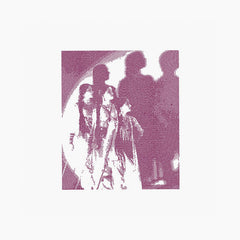
クイックビュー
{"id":8838515687674,"title":"Various Artists (Death Is Not The End \/ Bodega Pop) \/\/ Stars from Another Sky Pt. 1: Film Songs from the Subcontinent Before the World Was Torn Asunder, 1932-1939 MIX TAPE","handle":"various-artists-death-is-not-the-end-bodega-pop-stars-from-another-sky-pt-1-film-songs-from-the-subcontinent-before-the-world-was-torn-asunder-1932-1939-tape","description":"\u003cp\u003eイギリス・ロンドンの発掘専門レーベルDeath Is Not The Endが、2025年3月にリリースした1930年代南アジア映画音楽にフォーカスしたコンピレーションカセットです。\u003c\/p\u003e\n\u003cp\u003e※デジタル音源を無料でお送りいたしますのでお気軽にご連絡くださいませ\u003c\/p\u003e\n\u003cp\u003e以下、レーベルによる解説です。\u003c\/p\u003e\n\u003cp\u003e\u003cem\u003e\"20年間無声映画が続いた後、1931年にアラム・アラが沈黙を破ったとき、この映画とそれに続くすべての南アジアのトーキーが、西洋の私たちが考える 「ミュージカル 」だったことに驚く人もいるかもしれない。音楽は、紀元4世紀から6世紀にかけてのグプタ王朝時代までさかのぼる、この文化の舞台劇に不可欠なものだった。南アジア映画はその創成期から、マラーティー語、パールシー語、ベンガル語の音楽劇を多用し、無声映画の上映にはしばしば生演奏がつきものだった。\u003c\/em\u003e\u003c\/p\u003e\n\u003cp\u003e\u003cem\u003eサウンドフィルムが登場すると、本格的な歌唱力を持つ俳優が次のスターとなった。歌は撮影中に生演奏され、ミュージシャンはカメラの外や脇、時には木の上などに隠れて演奏された。プレイバック・シンギング(口パク俳優に本物の歌手の声を吹き込むこと)は、1940年代まで標準的ではなかった。\u003c\/em\u003e\u003c\/p\u003e\n\u003cp\u003e\u003cem\u003eゴビンドラオ・テンベやパンカジ・ミュリックのように、作曲家としてもヴォーカリストとしても優れた歌手もいた。しかし、K.L.サイガールほど愛された歌手はいなかった。彼の感情的で訓練されていない歌声は、亜大陸中の聴衆を魅了した。サイガルの歌声に感化された若きラタ・マンゲーシュカルは、彼のハートを射止めるためにインド最高の映画歌手になろうと誓った。悲しいことに、サイガルは次第にアルコールに溺れるようになり、アルコールなしでは活動できなくなり、パーティションの7ヶ月前、42歳でこの世を去った。ラタは結婚しなかった。\u003c\/em\u003e\u003c\/p\u003e\n\u003cp\u003e\u003cem\u003eこのコレクションは、クイーンズのジャクソン・ハイツ、ブルックリンのコニー・アイランド・アヴェニュー、マンハッタンのレキシントン・アヴェニュー、ニュージャージー州イゼリンのオーク・ツリー・ロードといった、活気ある移民コミュニティがある地域で発見されたCDやLPから、南アジア映画で最も初期の曲を集めたものだ。ニューヨークとニュージャージーへの南アジア系移民が急増したのは、1965年の移民国籍法施行後である。1990年代から2000年代にかけて、この地域のインド系、パキスタン系、バングラデシュ系のメディアは隆盛を極め、特にジャクソンハイツでは、そうした店が5つの行政区全体にある通常のレコード店の総数を上回った。\u003c\/em\u003e\u003c\/p\u003e\n\u003cp\u003e\u003cem\u003eサウンドフィルムの黎明期には、音楽スタイルも限られており、ガザールのようなマラーティー語のバグヴィートや、ベンガル語のノーベル賞受賞者ラビンドラナート・タゴールが作曲した約2,000曲の歌と詩のラビンドラ・サンゲートなどが主流だった。しかし、南アジア映画初の女性作曲家であり、クラシックの訓練を受けたサラスワティ・デヴィの成功や、ピアノやハワイアン・ギターなどの西洋楽器の導入など、進化もあった。\u003c\/em\u003e\u003c\/p\u003e\n\u003cp\u003e\u003cem\u003e音楽の多くは暗く陰鬱なもので、1936年の『Achhut Kannya(Untouchable Maiden)』からサラスヴァティ・デヴィの「Udi Hawa Mein」をデヴィカ・ラーニーが解釈したのがその最たる例だろうが、R.C.ボラールの「Lachhmi Murat Daras Dikhaye」のような明るい瞬間もあった。C.ボラールの「Lachhmi Murat Daras Dikhaye」は、1938年の『ストリート・シンガー』でカナン・デーヴィが歌い、デヴィと共演のK.L.サイガールのスーパースターとしての地位を確固たるものにした。\u003c\/em\u003e\u003c\/p\u003e\n\u003cp\u003e\u003cem\u003eこのセレクションは、この10年間という比較的限られた範囲の中でさえ達成された表現力、楽器編成、スタイルの幅広さを強調するために選ばれたものであり、このシリーズの次回で取り上げる1940年代の相対的な可能性の爆発を聴き手に予感させるものである。\"\u003c\/em\u003e\u003c\/p\u003e\n\u003cp\u003e\u003ciframe style=\"border: 0; width: 100%; height: 120px;\" src=\"https:\/\/bandcamp.com\/EmbeddedPlayer\/album=3386849005\/size=large\/bgcol=ffffff\/linkcol=0687f5\/tracklist=false\/artwork=none\/transparent=true\/\"\u003e\u003c\/iframe\u003e\u003c\/p\u003e\n\u003cp\u003eレーベルその他作品は\u003ca href=\"https:\/\/tobirarecords.com\/collections\/dinte\"\u003eこちら\u003c\/a\u003e \/\/\/ Click \u003ca href=\"https:\/\/tobirarecords.com\/collections\/dinte\"\u003ehere\u003c\/a\u003e to see more Death Is Not The End releases available at Tobira.\u003c\/p\u003e\n\u003cp\u003e--------------------------------------\u003c\/p\u003e\n\u003cp\u003eCassette in norelco case.\u003c\/p\u003e\n\u003cblockquote\u003e\n\u003cp\u003e\u003cstrong\u003eTracklist\u003c\/strong\u003e:\u003c\/p\u003e\n\u003cp class=\"MsoNormal\"\u003e1. K.L. Saigal, R.C. Boral - Din Neeke Beete Jaate Hain 03:11\u003cbr\u003e2. Shanta Apte, Master Krishnarao - Suno Suno Ban Ke Prani 03:04\u003cbr\u003e3. Govindrao Tembe - Chhod Aakash Ke Sitare 03:05\u003cbr\u003e4. Devika Rani, Saraswati Devi - Udi Hawa Mein 03:13\u003cbr\u003e5. K.C. Dey, R.C. Boral - Panghat Pe Kanhaiya Aata Hai 03:16\u003cbr\u003e6. Pankaj Mullick - Sharabi Soch Na Kar 03:16\u003cbr\u003e7. Kanan Devi, R.C. Boral - Lachhmi Murat Daras Dikhaye 03:18\u003cbr\u003e8. Surendra \u0026amp; Bibbo - Tumhi Ne Mujhko Prem Sikhaya 03:23\u003cbr\u003e9. Sheela, Mir Sahib - Tum Bin Hamri Kaun Khabar Le 03:21\u003cbr\u003e10. Govindrao Tembe - Jao Jao Aye Mere Saadhu 03:21\u003cbr\u003e11. K.L Saigal, R.C. Boral - Babul Mora 03:08\u003cbr\u003e12. Pankaj Mullick - Piya Milan Ko Jana 03:38\u003cbr\u003e13. Vishnupant Pagnis, Gyan Dutt - Ban Chale Ram Raghurai 02:57\u003cbr\u003e14. Kanan Devi, R.C. Boral - Na Jane Kya Hai Dil Ka Raaz 03:19\u003cbr\u003e15. Shanta Apte, Keshavrao Bhole - Raat Aai Hai 03:09\u003cbr\u003e16. K.C. Dey - Kya Kaaran Hai Ab Rone Ka 03:15\u003cbr\u003e17. Uma Devi \u0026amp; Pahari Sanyal, R.C. Boral - Mere Prem Ki Naiyya 03:20\u003cbr\u003e18. K.L Saigal, Timir Baran - Balam Aaye Baso 03:19\u003c\/p\u003e\n\u003c\/blockquote\u003e\n\u003cp\u003eText by \u003cmeta charset=\"utf-8\"\u003e\u003cspan class=\"bcTruncateMore\"\u003eGary Sullivan (Bodega Pop)\u003c\/span\u003e\u003cspan\u003e :\u003c\/span\u003e\u003c\/p\u003e\n\u003cp\u003e\u003cmeta charset=\"utf-8\"\u003e\u003cspan\u003e\"\u003cem\u003eIt may surprise some that, after two decades of silent films, when Alam Ara broke the silence in 1931, it and every South Asian talkie that followed was what we in the West think of as a “musical.” Music had been integral to the culture’s staged drama going back to the Gupta Dynasty — sometime between the 4 th and 6 th Century CE. Since its inception, South Asian cinema drew heavily from Marathi, Parsi, and Bengali musical theatre and silent film screenings were often accompanied by live music to mimic a live staged experience.\u003c\/em\u003e\u003c\/span\u003e\u003cbr\u003e\u003cbr\u003e\u003cem\u003eWhen sound films arrived, actors with serious singing skills became the next wave of stars. Songs were performed live while shooting, with musicians hidden off-camera, to the side or sometimes even in trees. Playback singing — the practice of dubbing a real singer’s voice over a lip-syncing actor — didn’t become standard until the 1940s.\u003c\/em\u003e\u003cbr\u003e\u003cbr\u003e\u003cem\u003eThus, the biggest stars of the 1930s were also the greatest singers, with some, like Govindrao Tembe and Pankaj Mullick, excelling as both composers and vocalists. None, however, were more beloved than K.L. Saigal, whose emotional, untrained crooning captivated audiences across the subcontinent. Saigal’s voice inspired a young Lata Mangeshkar, who vowed to become India’s greatest filmi\u003c\/em\u003e\u003cspan class=\"bcTruncateMore\"\u003e\u003cem\u003e singer to win his heart. Sadly, Saigal grew increasingly addicted to alcohol, unable to perform without it, and passed away at age 42, seven months before the Partition. Lata never married.\u003c\/em\u003e\u003cbr\u003e\u003cbr\u003e\u003cem\u003eThis collection features some of the earliest songs from South Asian cinema, sourced from CDs and LPs found in Jackson Heights, Queens, Coney Island Avenue in Brooklyn, Lexington Avenue in Manhattan, and Oak Tree Road in Iselin, New Jersey — areas home to vibrant immigrant communities. South Asian immigration to New York and New Jersey surged after the 1965 Immigration and Nationality Act, which lifted non-European quotas. By the 1990s and 2000s, the region’s Indian, Pakistani, and Bangladeshi media outlets flourished, especially in Jackson Heights, where such stores outnumbered the total number of regular record shops throughout the five boroughs.\u003c\/em\u003e\u003cbr\u003e\u003cbr\u003e\u003cem\u003eThe nascent period of sound film featured a limited palette of musical styles, predominantly Marathi Bhagveet, like the Ghazal, but with greater flexibility of subject matter and rhythm, and Rabindra Sangeet, the approximately 2,000 songs and poems composed by Bengali Nobel laureate Rabindranath Tagore. But there was some evolution as well, with the success of South Asian cinema’s first woman composer, the classically trained Saraswati Devi, and the introduction of Western instruments including the piano and Hawaiian guitar.\u003c\/em\u003e\u003cbr\u003e\u003cbr\u003e\u003cem\u003eWhile much of the music was dark and brooding, perhaps exemplified best by Devika Rani’s interpretation of Saraswati Devi’s “Udi Hawa Mein” from 1936’s Achhut Kannya (Untouchable Maiden), there were moments of brightness, such as R.C. Boral’s “Lachhmi Murat Daras Dikhaye” sung by Kanan Devi in Street Singer, an otherwise thoroughly depressing film from 1938 that cemented Devi’s and co-star K.L. Saigal’s superstardom.\u003c\/em\u003e\u003cbr\u003e\u003cbr\u003e\u003cem\u003eThis selection was chosen to emphasise a range of expressivity, instrumentation and style achieved even within the decade’s relatively limited scope, setting the listener up for the relative explosion of possibility in the 1940s, to be covered in the next installment of this series.\"\u003c\/em\u003e\u003cbr\u003e\u003c\/span\u003e\u003c\/p\u003e\n\u003cp\u003eArtist : Various Artists\u003c\/p\u003e\n\u003cp\u003eLabel : Death Is Not The End x Bodega Pop\u003c\/p\u003e\n\u003cp\u003ecat no : DEATH103\u003c\/p\u003e","published_at":"2025-06-23T05:18:47+09:00","created_at":"2025-06-22T14:15:55+09:00","vendor":"Tobira Records","type":"","tags":["death is not the end","field recording","new","tape"],"price":267000,"price_min":267000,"price_max":267000,"available":false,"price_varies":false,"compare_at_price":null,"compare_at_price_min":0,"compare_at_price_max":0,"compare_at_price_varies":false,"variants":[{"id":47427199860986,"title":"Default Title","option1":"Default Title","option2":null,"option3":null,"sku":"","requires_shipping":true,"taxable":true,"featured_image":null,"available":false,"name":"Various Artists (Death Is Not The End \/ Bodega Pop) \/\/ Stars from Another Sky Pt. 1: Film Songs from the Subcontinent Before the World Was Torn Asunder, 1932-1939 MIX TAPE","public_title":null,"options":["Default Title"],"price":267000,"weight":60,"compare_at_price":null,"inventory_management":"shopify","barcode":null,"requires_selling_plan":false,"selling_plan_allocations":[],"quantity_rule":{"min":1,"max":null,"increment":1}}],"images":["\/\/tobirarecords.com\/cdn\/shop\/files\/from1_006a39b8-0e5c-4379-8254-0c6a00ba002b.jpg?v=1750569249","\/\/tobirarecords.com\/cdn\/shop\/files\/from2_90c9a1ab-ddef-49b6-afde-a9bdecfd64e2.jpg?v=1750569249"],"featured_image":"\/\/tobirarecords.com\/cdn\/shop\/files\/from1_006a39b8-0e5c-4379-8254-0c6a00ba002b.jpg?v=1750569249","options":["Title"],"media":[{"alt":null,"id":36243393085690,"position":1,"preview_image":{"aspect_ratio":1.0,"height":700,"width":700,"src":"\/\/tobirarecords.com\/cdn\/shop\/files\/from1_006a39b8-0e5c-4379-8254-0c6a00ba002b.jpg?v=1750569249"},"aspect_ratio":1.0,"height":700,"media_type":"image","src":"\/\/tobirarecords.com\/cdn\/shop\/files\/from1_006a39b8-0e5c-4379-8254-0c6a00ba002b.jpg?v=1750569249","width":700},{"alt":null,"id":36243393118458,"position":2,"preview_image":{"aspect_ratio":1.0,"height":1200,"width":1200,"src":"\/\/tobirarecords.com\/cdn\/shop\/files\/from2_90c9a1ab-ddef-49b6-afde-a9bdecfd64e2.jpg?v=1750569249"},"aspect_ratio":1.0,"height":1200,"media_type":"image","src":"\/\/tobirarecords.com\/cdn\/shop\/files\/from2_90c9a1ab-ddef-49b6-afde-a9bdecfd64e2.jpg?v=1750569249","width":1200}],"requires_selling_plan":false,"selling_plan_groups":[],"content":"\u003cp\u003eイギリス・ロンドンの発掘専門レーベルDeath Is Not The Endが、2025年3月にリリースした1930年代南アジア映画音楽にフォーカスしたコンピレーションカセットです。\u003c\/p\u003e\n\u003cp\u003e※デジタル音源を無料でお送りいたしますのでお気軽にご連絡くださいませ\u003c\/p\u003e\n\u003cp\u003e以下、レーベルによる解説です。\u003c\/p\u003e\n\u003cp\u003e\u003cem\u003e\"20年間無声映画が続いた後、1931年にアラム・アラが沈黙を破ったとき、この映画とそれに続くすべての南アジアのトーキーが、西洋の私たちが考える 「ミュージカル 」だったことに驚く人もいるかもしれない。音楽は、紀元4世紀から6世紀にかけてのグプタ王朝時代までさかのぼる、この文化の舞台劇に不可欠なものだった。南アジア映画はその創成期から、マラーティー語、パールシー語、ベンガル語の音楽劇を多用し、無声映画の上映にはしばしば生演奏がつきものだった。\u003c\/em\u003e\u003c\/p\u003e\n\u003cp\u003e\u003cem\u003eサウンドフィルムが登場すると、本格的な歌唱力を持つ俳優が次のスターとなった。歌は撮影中に生演奏され、ミュージシャンはカメラの外や脇、時には木の上などに隠れて演奏された。プレイバック・シンギング(口パク俳優に本物の歌手の声を吹き込むこと)は、1940年代まで標準的ではなかった。\u003c\/em\u003e\u003c\/p\u003e\n\u003cp\u003e\u003cem\u003eゴビンドラオ・テンベやパンカジ・ミュリックのように、作曲家としてもヴォーカリストとしても優れた歌手もいた。しかし、K.L.サイガールほど愛された歌手はいなかった。彼の感情的で訓練されていない歌声は、亜大陸中の聴衆を魅了した。サイガルの歌声に感化された若きラタ・マンゲーシュカルは、彼のハートを射止めるためにインド最高の映画歌手になろうと誓った。悲しいことに、サイガルは次第にアルコールに溺れるようになり、アルコールなしでは活動できなくなり、パーティションの7ヶ月前、42歳でこの世を去った。ラタは結婚しなかった。\u003c\/em\u003e\u003c\/p\u003e\n\u003cp\u003e\u003cem\u003eこのコレクションは、クイーンズのジャクソン・ハイツ、ブルックリンのコニー・アイランド・アヴェニュー、マンハッタンのレキシントン・アヴェニュー、ニュージャージー州イゼリンのオーク・ツリー・ロードといった、活気ある移民コミュニティがある地域で発見されたCDやLPから、南アジア映画で最も初期の曲を集めたものだ。ニューヨークとニュージャージーへの南アジア系移民が急増したのは、1965年の移民国籍法施行後である。1990年代から2000年代にかけて、この地域のインド系、パキスタン系、バングラデシュ系のメディアは隆盛を極め、特にジャクソンハイツでは、そうした店が5つの行政区全体にある通常のレコード店の総数を上回った。\u003c\/em\u003e\u003c\/p\u003e\n\u003cp\u003e\u003cem\u003eサウンドフィルムの黎明期には、音楽スタイルも限られており、ガザールのようなマラーティー語のバグヴィートや、ベンガル語のノーベル賞受賞者ラビンドラナート・タゴールが作曲した約2,000曲の歌と詩のラビンドラ・サンゲートなどが主流だった。しかし、南アジア映画初の女性作曲家であり、クラシックの訓練を受けたサラスワティ・デヴィの成功や、ピアノやハワイアン・ギターなどの西洋楽器の導入など、進化もあった。\u003c\/em\u003e\u003c\/p\u003e\n\u003cp\u003e\u003cem\u003e音楽の多くは暗く陰鬱なもので、1936年の『Achhut Kannya(Untouchable Maiden)』からサラスヴァティ・デヴィの「Udi Hawa Mein」をデヴィカ・ラーニーが解釈したのがその最たる例だろうが、R.C.ボラールの「Lachhmi Murat Daras Dikhaye」のような明るい瞬間もあった。C.ボラールの「Lachhmi Murat Daras Dikhaye」は、1938年の『ストリート・シンガー』でカナン・デーヴィが歌い、デヴィと共演のK.L.サイガールのスーパースターとしての地位を確固たるものにした。\u003c\/em\u003e\u003c\/p\u003e\n\u003cp\u003e\u003cem\u003eこのセレクションは、この10年間という比較的限られた範囲の中でさえ達成された表現力、楽器編成、スタイルの幅広さを強調するために選ばれたものであり、このシリーズの次回で取り上げる1940年代の相対的な可能性の爆発を聴き手に予感させるものである。\"\u003c\/em\u003e\u003c\/p\u003e\n\u003cp\u003e\u003ciframe style=\"border: 0; width: 100%; height: 120px;\" src=\"https:\/\/bandcamp.com\/EmbeddedPlayer\/album=3386849005\/size=large\/bgcol=ffffff\/linkcol=0687f5\/tracklist=false\/artwork=none\/transparent=true\/\"\u003e\u003c\/iframe\u003e\u003c\/p\u003e\n\u003cp\u003eレーベルその他作品は\u003ca href=\"https:\/\/tobirarecords.com\/collections\/dinte\"\u003eこちら\u003c\/a\u003e \/\/\/ Click \u003ca href=\"https:\/\/tobirarecords.com\/collections\/dinte\"\u003ehere\u003c\/a\u003e to see more Death Is Not The End releases available at Tobira.\u003c\/p\u003e\n\u003cp\u003e--------------------------------------\u003c\/p\u003e\n\u003cp\u003eCassette in norelco case.\u003c\/p\u003e\n\u003cblockquote\u003e\n\u003cp\u003e\u003cstrong\u003eTracklist\u003c\/strong\u003e:\u003c\/p\u003e\n\u003cp class=\"MsoNormal\"\u003e1. K.L. Saigal, R.C. Boral - Din Neeke Beete Jaate Hain 03:11\u003cbr\u003e2. Shanta Apte, Master Krishnarao - Suno Suno Ban Ke Prani 03:04\u003cbr\u003e3. Govindrao Tembe - Chhod Aakash Ke Sitare 03:05\u003cbr\u003e4. Devika Rani, Saraswati Devi - Udi Hawa Mein 03:13\u003cbr\u003e5. K.C. Dey, R.C. Boral - Panghat Pe Kanhaiya Aata Hai 03:16\u003cbr\u003e6. Pankaj Mullick - Sharabi Soch Na Kar 03:16\u003cbr\u003e7. Kanan Devi, R.C. Boral - Lachhmi Murat Daras Dikhaye 03:18\u003cbr\u003e8. Surendra \u0026amp; Bibbo - Tumhi Ne Mujhko Prem Sikhaya 03:23\u003cbr\u003e9. Sheela, Mir Sahib - Tum Bin Hamri Kaun Khabar Le 03:21\u003cbr\u003e10. Govindrao Tembe - Jao Jao Aye Mere Saadhu 03:21\u003cbr\u003e11. K.L Saigal, R.C. Boral - Babul Mora 03:08\u003cbr\u003e12. Pankaj Mullick - Piya Milan Ko Jana 03:38\u003cbr\u003e13. Vishnupant Pagnis, Gyan Dutt - Ban Chale Ram Raghurai 02:57\u003cbr\u003e14. Kanan Devi, R.C. Boral - Na Jane Kya Hai Dil Ka Raaz 03:19\u003cbr\u003e15. Shanta Apte, Keshavrao Bhole - Raat Aai Hai 03:09\u003cbr\u003e16. K.C. Dey - Kya Kaaran Hai Ab Rone Ka 03:15\u003cbr\u003e17. Uma Devi \u0026amp; Pahari Sanyal, R.C. Boral - Mere Prem Ki Naiyya 03:20\u003cbr\u003e18. K.L Saigal, Timir Baran - Balam Aaye Baso 03:19\u003c\/p\u003e\n\u003c\/blockquote\u003e\n\u003cp\u003eText by \u003cmeta charset=\"utf-8\"\u003e\u003cspan class=\"bcTruncateMore\"\u003eGary Sullivan (Bodega Pop)\u003c\/span\u003e\u003cspan\u003e :\u003c\/span\u003e\u003c\/p\u003e\n\u003cp\u003e\u003cmeta charset=\"utf-8\"\u003e\u003cspan\u003e\"\u003cem\u003eIt may surprise some that, after two decades of silent films, when Alam Ara broke the silence in 1931, it and every South Asian talkie that followed was what we in the West think of as a “musical.” Music had been integral to the culture’s staged drama going back to the Gupta Dynasty — sometime between the 4 th and 6 th Century CE. Since its inception, South Asian cinema drew heavily from Marathi, Parsi, and Bengali musical theatre and silent film screenings were often accompanied by live music to mimic a live staged experience.\u003c\/em\u003e\u003c\/span\u003e\u003cbr\u003e\u003cbr\u003e\u003cem\u003eWhen sound films arrived, actors with serious singing skills became the next wave of stars. Songs were performed live while shooting, with musicians hidden off-camera, to the side or sometimes even in trees. Playback singing — the practice of dubbing a real singer’s voice over a lip-syncing actor — didn’t become standard until the 1940s.\u003c\/em\u003e\u003cbr\u003e\u003cbr\u003e\u003cem\u003eThus, the biggest stars of the 1930s were also the greatest singers, with some, like Govindrao Tembe and Pankaj Mullick, excelling as both composers and vocalists. None, however, were more beloved than K.L. Saigal, whose emotional, untrained crooning captivated audiences across the subcontinent. Saigal’s voice inspired a young Lata Mangeshkar, who vowed to become India’s greatest filmi\u003c\/em\u003e\u003cspan class=\"bcTruncateMore\"\u003e\u003cem\u003e singer to win his heart. Sadly, Saigal grew increasingly addicted to alcohol, unable to perform without it, and passed away at age 42, seven months before the Partition. Lata never married.\u003c\/em\u003e\u003cbr\u003e\u003cbr\u003e\u003cem\u003eThis collection features some of the earliest songs from South Asian cinema, sourced from CDs and LPs found in Jackson Heights, Queens, Coney Island Avenue in Brooklyn, Lexington Avenue in Manhattan, and Oak Tree Road in Iselin, New Jersey — areas home to vibrant immigrant communities. South Asian immigration to New York and New Jersey surged after the 1965 Immigration and Nationality Act, which lifted non-European quotas. By the 1990s and 2000s, the region’s Indian, Pakistani, and Bangladeshi media outlets flourished, especially in Jackson Heights, where such stores outnumbered the total number of regular record shops throughout the five boroughs.\u003c\/em\u003e\u003cbr\u003e\u003cbr\u003e\u003cem\u003eThe nascent period of sound film featured a limited palette of musical styles, predominantly Marathi Bhagveet, like the Ghazal, but with greater flexibility of subject matter and rhythm, and Rabindra Sangeet, the approximately 2,000 songs and poems composed by Bengali Nobel laureate Rabindranath Tagore. But there was some evolution as well, with the success of South Asian cinema’s first woman composer, the classically trained Saraswati Devi, and the introduction of Western instruments including the piano and Hawaiian guitar.\u003c\/em\u003e\u003cbr\u003e\u003cbr\u003e\u003cem\u003eWhile much of the music was dark and brooding, perhaps exemplified best by Devika Rani’s interpretation of Saraswati Devi’s “Udi Hawa Mein” from 1936’s Achhut Kannya (Untouchable Maiden), there were moments of brightness, such as R.C. Boral’s “Lachhmi Murat Daras Dikhaye” sung by Kanan Devi in Street Singer, an otherwise thoroughly depressing film from 1938 that cemented Devi’s and co-star K.L. Saigal’s superstardom.\u003c\/em\u003e\u003cbr\u003e\u003cbr\u003e\u003cem\u003eThis selection was chosen to emphasise a range of expressivity, instrumentation and style achieved even within the decade’s relatively limited scope, setting the listener up for the relative explosion of possibility in the 1940s, to be covered in the next installment of this series.\"\u003c\/em\u003e\u003cbr\u003e\u003c\/span\u003e\u003c\/p\u003e\n\u003cp\u003eArtist : Various Artists\u003c\/p\u003e\n\u003cp\u003eLabel : Death Is Not The End x Bodega Pop\u003c\/p\u003e\n\u003cp\u003ecat no : DEATH103\u003c\/p\u003e"}
You may also like:
イギリス・ロンドンの発掘専門レーベルDeath Is Not The Endが、2025年3月にリリースした1930年代南アジア映画音楽にフォーカスしたコンピレーションカセットです。 ※デジタル音源を無料でお送りいたしますのでお気軽にご連絡くださいませ 以下、レーベルによる解説です。 "20年間無声映画が続いた後、1931年にアラム・アラが沈黙を破ったとき、この映画とそれに続くすべての南アジアのトーキーが、西洋の私たちが考える 「ミュージカル 」だったことに驚く人もいるかもしれない。音楽は、紀元4世紀から6世紀にかけてのグプタ王朝時代までさかのぼる、この文化の舞台劇に不可欠なものだった。南アジア映画はその創成期から、マラーティー語、パールシー語、ベンガル語の音楽劇を多用し、無声映画の上映にはしばしば生演奏がつきものだった。 サウンドフィルムが登場すると、本格的な歌唱力を持つ俳優が次のスターとなった。歌は撮影中に生演奏され、ミュージシャンはカメラの外や脇、時には木の上などに隠れて演奏された。プレイバック・シンギング(口パク俳優に本物の歌手の声を吹き込むこと)は、1940年代まで標準的ではなかった。 ゴビンドラオ・テンベやパンカジ・ミュリックのように、作曲家としてもヴォーカリストとしても優れた歌手もいた。しかし、K.L.サイガールほど愛された歌手はいなかった。彼の感情的で訓練されていない歌声は、亜大陸中の聴衆を魅了した。サイガルの歌声に感化された若きラタ・マンゲーシュカルは、彼のハートを射止めるためにインド最高の映画歌手になろうと誓った。悲しいことに、サイガルは次第にアルコールに溺れるようになり、アルコールなしでは活動できなくなり、パーティションの7ヶ月前、42歳でこの世を去った。ラタは結婚しなかった。 このコレクションは、クイーンズのジャクソン・ハイツ、ブルックリンのコニー・アイランド・アヴェニュー、マンハッタンのレキシントン・アヴェニュー、ニュージャージー州イゼリンのオーク・ツリー・ロードといった、活気ある移民コミュニティがある地域で発見されたCDやLPから、南アジア映画で最も初期の曲を集めたものだ。ニューヨークとニュージャージーへの南アジア系移民が急増したのは、1965年の移民国籍法施行後である。1990年代から2000年代にかけて、この地域のインド系、パキスタン系、バングラデシュ系のメディアは隆盛を極め、特にジャクソンハイツでは、そうした店が5つの行政区全体にある通常のレコード店の総数を上回った。 サウンドフィルムの黎明期には、音楽スタイルも限られており、ガザールのようなマラーティー語のバグヴィートや、ベンガル語のノーベル賞受賞者ラビンドラナート・タゴールが作曲した約2,000曲の歌と詩のラビンドラ・サンゲートなどが主流だった。しかし、南アジア映画初の女性作曲家であり、クラシックの訓練を受けたサラスワティ・デヴィの成功や、ピアノやハワイアン・ギターなどの西洋楽器の導入など、進化もあった。...
Sold Out

クイックビュー
{"id":8838514245882,"title":"Death Is Not The End \/\/ London Pirate Radio Adverts 1984-1993, Vol. 1 TAPE","handle":"death-is-not-the-end-london-pirate-radio-adverts-1984-1993-vol-1-tape-1","description":"\u003cp\u003eイギリス・ロンドンの発掘専門レーベルDeath Is Not The Endが、2025年6月にリリースした再発カセットです。\u003c\/p\u003e\n\u003cp\u003e1984-1993年にロンドンの海賊ラジオ局で放送されたコマーシャルのみを用いた強烈なミックステープです。\u003c\/p\u003e\n\u003cp\u003e※デジタル音源を無料でお送りいたしますのでお気軽にご連絡くださいませ\u003c\/p\u003e\n\u003cp\u003e\u003ciframe title=\"YouTube video player\" src=\"https:\/\/www.youtube.com\/embed\/KyJrh0nN71c?si=xuAYSW90vp3Fgrbu\" height=\"315\" width=\"560\"\u003e\u003c\/iframe\u003e\u003c\/p\u003e\n\u003cp\u003eレーベルその他作品は\u003ca href=\"https:\/\/tobirarecords.com\/collections\/dinte\"\u003eこちら\u003c\/a\u003e \/\/\/ Click \u003ca href=\"https:\/\/tobirarecords.com\/collections\/dinte\"\u003ehere\u003c\/a\u003e to see more Death Is Not The End releases available at Tobira.\u003c\/p\u003e\n\u003cp\u003e----------------------\u003c\/p\u003e\n\u003cp\u003eCassette in norelco case. \u003c\/p\u003e\n\u003cp\u003e\u003cmeta charset=\"utf-8\"\u003e\u003cspan\u003eThe first volume in a two-part collection of pirate radio adverts \u0026amp; idents, taken from recordings of London stations between 1984 \u0026amp; 1993.\u003c\/span\u003e \u003c\/p\u003e\n\u003cblockquote\u003e\n\u003cp\u003e\u003cstrong\u003eTracklist\u003c\/strong\u003e:\u003c\/p\u003e\n\u003cp class=\"MsoNormal\"\u003e1. Intro (Do You Remember?) 01:57\u003cbr\u003e2. Videobox 00:34\u003cbr\u003e3. Pirates Night Out 00:46\u003cbr\u003e4. Ravers Dateline 01:04\u003cbr\u003e5. Walls of Babylon 01:05\u003cbr\u003e6. Absolute Class 00:05\u003cbr\u003e7. Limelight 00:42\u003cbr\u003e8. Freestyle 00:53\u003cbr\u003e9. Funky Power 00:08\u003cbr\u003e10. Functioning Neatly 00:50\u003cbr\u003e\u003cspan style=\"font-family: -apple-system, BlinkMacSystemFont, 'San Francisco', 'Segoe UI', Roboto, 'Helvetica Neue', sans-serif; font-size: 0.875rem;\"\u003e11. Greek Salon 01:13\u003cbr\u003e\u003c\/span\u003e12. School Reunion 00:45\u003cbr\u003e13. Under 18s Disco 00:52\u003cbr\u003e14. A1 Sound 00:13\u003cbr\u003e15. Summertime '90 01:00\u003cbr\u003e16. Back to Back Mixtapes 01:03\u003cbr\u003e17. Rare Groove Champagne Party 01:00\u003cbr\u003e18. Savage Affair 01:08\u003cbr\u003e19. Are You Sure? 00:40\u003cbr\u003e20. Ladies Sunday Night Affair 00:57\u003cbr\u003e21. Hello Ladies 00:30\u003cbr\u003e22. British Flag 00:19\u003cbr\u003e23. Any Kind of Function 00:15\u003cbr\u003e24. Trade Equip 01:01\u003cbr\u003e25. I'll Buy You a Beer 00:43\u003cbr\u003e26. Legs' Birthday 00:33\u003cbr\u003e27. Yeah Amigo 00:24\u003cbr\u003e28. Next to Tescos 01:17\u003cbr\u003e29. City of Joy 01:02\u003cbr\u003e30. Amsterdam 02:31\u003cbr\u003e31. Roller Skating 00:13\u003cbr\u003e32. Too Radical 00:12\u003cbr\u003e33. Escape '93 01:43\u003cbr\u003e34. Corporation of New Generation 00:45\u003cbr\u003e35. Jookie Jam 00:44\u003cbr\u003e36. Revival Showcase 00:50\u003cbr\u003e37. Until Further Notice 00:47\u003cbr\u003e38. High Fashion 00:31\u003cbr\u003e39. Damn Best Night Out 00:34\u003cbr\u003e40. Lepke Sent You 00:47\u003c\/p\u003e\n\u003c\/blockquote\u003e\n\u003cp\u003eArtist : No artist\u003c\/p\u003e\n\u003cp\u003eLabel : Death Is Not The End\u003c\/p\u003e\n\u003cp\u003ecat no : DEATH039RP\u003c\/p\u003e","published_at":"2025-06-22T18:52:22+09:00","created_at":"2025-06-22T14:01:32+09:00","vendor":"Tobira Records","type":"","tags":["death is not the end","field recording","new","tape"],"price":272400,"price_min":272400,"price_max":272400,"available":false,"price_varies":false,"compare_at_price":null,"compare_at_price_min":0,"compare_at_price_max":0,"compare_at_price_varies":false,"variants":[{"id":47427185311994,"title":"Default Title","option1":"Default Title","option2":null,"option3":null,"sku":null,"requires_shipping":true,"taxable":true,"featured_image":null,"available":false,"name":"Death Is Not The End \/\/ London Pirate Radio Adverts 1984-1993, Vol. 1 TAPE","public_title":null,"options":["Default Title"],"price":272400,"weight":60,"compare_at_price":null,"inventory_management":"shopify","barcode":"5050580852549","requires_selling_plan":false,"selling_plan_allocations":[],"quantity_rule":{"min":1,"max":null,"increment":1}}],"images":["\/\/tobirarecords.com\/cdn\/shop\/products\/ra1_e49cf9f0-780a-4df8-9b5d-09ca31887367.jpg?v=1750568499","\/\/tobirarecords.com\/cdn\/shop\/files\/0039694245_10.jpg?v=1750643341"],"featured_image":"\/\/tobirarecords.com\/cdn\/shop\/products\/ra1_e49cf9f0-780a-4df8-9b5d-09ca31887367.jpg?v=1750568499","options":["Title"],"media":[{"alt":null,"id":28846078755066,"position":1,"preview_image":{"aspect_ratio":1.0,"height":700,"width":700,"src":"\/\/tobirarecords.com\/cdn\/shop\/products\/ra1_e49cf9f0-780a-4df8-9b5d-09ca31887367.jpg?v=1750568499"},"aspect_ratio":1.0,"height":700,"media_type":"image","src":"\/\/tobirarecords.com\/cdn\/shop\/products\/ra1_e49cf9f0-780a-4df8-9b5d-09ca31887367.jpg?v=1750568499","width":700},{"alt":null,"id":36248790761722,"position":2,"preview_image":{"aspect_ratio":1.0,"height":1200,"width":1200,"src":"\/\/tobirarecords.com\/cdn\/shop\/files\/0039694245_10.jpg?v=1750643341"},"aspect_ratio":1.0,"height":1200,"media_type":"image","src":"\/\/tobirarecords.com\/cdn\/shop\/files\/0039694245_10.jpg?v=1750643341","width":1200}],"requires_selling_plan":false,"selling_plan_groups":[],"content":"\u003cp\u003eイギリス・ロンドンの発掘専門レーベルDeath Is Not The Endが、2025年6月にリリースした再発カセットです。\u003c\/p\u003e\n\u003cp\u003e1984-1993年にロンドンの海賊ラジオ局で放送されたコマーシャルのみを用いた強烈なミックステープです。\u003c\/p\u003e\n\u003cp\u003e※デジタル音源を無料でお送りいたしますのでお気軽にご連絡くださいませ\u003c\/p\u003e\n\u003cp\u003e\u003ciframe title=\"YouTube video player\" src=\"https:\/\/www.youtube.com\/embed\/KyJrh0nN71c?si=xuAYSW90vp3Fgrbu\" height=\"315\" width=\"560\"\u003e\u003c\/iframe\u003e\u003c\/p\u003e\n\u003cp\u003eレーベルその他作品は\u003ca href=\"https:\/\/tobirarecords.com\/collections\/dinte\"\u003eこちら\u003c\/a\u003e \/\/\/ Click \u003ca href=\"https:\/\/tobirarecords.com\/collections\/dinte\"\u003ehere\u003c\/a\u003e to see more Death Is Not The End releases available at Tobira.\u003c\/p\u003e\n\u003cp\u003e----------------------\u003c\/p\u003e\n\u003cp\u003eCassette in norelco case. \u003c\/p\u003e\n\u003cp\u003e\u003cmeta charset=\"utf-8\"\u003e\u003cspan\u003eThe first volume in a two-part collection of pirate radio adverts \u0026amp; idents, taken from recordings of London stations between 1984 \u0026amp; 1993.\u003c\/span\u003e \u003c\/p\u003e\n\u003cblockquote\u003e\n\u003cp\u003e\u003cstrong\u003eTracklist\u003c\/strong\u003e:\u003c\/p\u003e\n\u003cp class=\"MsoNormal\"\u003e1. Intro (Do You Remember?) 01:57\u003cbr\u003e2. Videobox 00:34\u003cbr\u003e3. Pirates Night Out 00:46\u003cbr\u003e4. Ravers Dateline 01:04\u003cbr\u003e5. Walls of Babylon 01:05\u003cbr\u003e6. Absolute Class 00:05\u003cbr\u003e7. Limelight 00:42\u003cbr\u003e8. Freestyle 00:53\u003cbr\u003e9. Funky Power 00:08\u003cbr\u003e10. Functioning Neatly 00:50\u003cbr\u003e\u003cspan style=\"font-family: -apple-system, BlinkMacSystemFont, 'San Francisco', 'Segoe UI', Roboto, 'Helvetica Neue', sans-serif; font-size: 0.875rem;\"\u003e11. Greek Salon 01:13\u003cbr\u003e\u003c\/span\u003e12. School Reunion 00:45\u003cbr\u003e13. Under 18s Disco 00:52\u003cbr\u003e14. A1 Sound 00:13\u003cbr\u003e15. Summertime '90 01:00\u003cbr\u003e16. Back to Back Mixtapes 01:03\u003cbr\u003e17. Rare Groove Champagne Party 01:00\u003cbr\u003e18. Savage Affair 01:08\u003cbr\u003e19. Are You Sure? 00:40\u003cbr\u003e20. Ladies Sunday Night Affair 00:57\u003cbr\u003e21. Hello Ladies 00:30\u003cbr\u003e22. British Flag 00:19\u003cbr\u003e23. Any Kind of Function 00:15\u003cbr\u003e24. Trade Equip 01:01\u003cbr\u003e25. I'll Buy You a Beer 00:43\u003cbr\u003e26. Legs' Birthday 00:33\u003cbr\u003e27. Yeah Amigo 00:24\u003cbr\u003e28. Next to Tescos 01:17\u003cbr\u003e29. City of Joy 01:02\u003cbr\u003e30. Amsterdam 02:31\u003cbr\u003e31. Roller Skating 00:13\u003cbr\u003e32. Too Radical 00:12\u003cbr\u003e33. Escape '93 01:43\u003cbr\u003e34. Corporation of New Generation 00:45\u003cbr\u003e35. Jookie Jam 00:44\u003cbr\u003e36. Revival Showcase 00:50\u003cbr\u003e37. Until Further Notice 00:47\u003cbr\u003e38. High Fashion 00:31\u003cbr\u003e39. Damn Best Night Out 00:34\u003cbr\u003e40. Lepke Sent You 00:47\u003c\/p\u003e\n\u003c\/blockquote\u003e\n\u003cp\u003eArtist : No artist\u003c\/p\u003e\n\u003cp\u003eLabel : Death Is Not The End\u003c\/p\u003e\n\u003cp\u003ecat no : DEATH039RP\u003c\/p\u003e"}
You may also like:
イギリス・ロンドンの発掘専門レーベルDeath Is Not The Endが、2025年6月にリリースした再発カセットです。 1984-1993年にロンドンの海賊ラジオ局で放送されたコマーシャルのみを用いた強烈なミックステープです。 ※デジタル音源を無料でお送りいたしますのでお気軽にご連絡くださいませ レーベルその他作品はこちら /// Click here to see more Death Is Not...
Sold Out
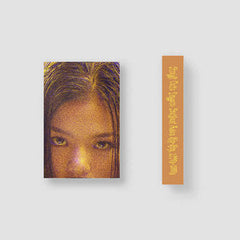
クイックビュー
{"id":8838514016506,"title":"Various Artists (Death Is Not The End \/ Bodega Pop) \/\/ Straight Outta Tenggara: Southeast Asian Hip-Hop, 1990s-2000s TAPE","handle":"various-artists-death-is-not-the-end-bodega-pop-straight-outta-tenggara-southeast-asian-hip-hop-1990s-2000s-tape","description":"\u003cp\u003eイギリス・ロンドンの発掘専門レーベルDeath Is Not The Endが、2025年4月にリリースした、1990-2000年代東南アジアヒップホップとR\u0026amp;Bにフォーカスしたコンピレーションカセットです。\u003c\/p\u003e\n\u003cp\u003eキュレーターはNYのラジオ番組/ハードディガーBodega Popが担当しています。\u003c\/p\u003e\n\u003cp\u003eカセットのみでの発表となります。\u003c\/p\u003e\n\u003cp\u003eレーベルその他作品は\u003ca href=\"https:\/\/tobirarecords.com\/collections\/dinte\"\u003eこちら\u003c\/a\u003e \/\/\/ Click \u003ca href=\"https:\/\/tobirarecords.com\/collections\/dinte\"\u003ehere\u003c\/a\u003e to see more Death Is Not The End releases available at Tobira.\u003c\/p\u003e\n\u003cp\u003e--------------------------------------\u003c\/p\u003e\n\u003cp\u003eCassette in norelco case.\u003cbr\u003eCASSETTE ONLY - no digital. \u003cbr\u003eNo tracklisting on cassette. \u003c\/p\u003e\n\u003cp\u003eDeath \u003cmeta charset=\"utf-8\"\u003eIs Not The End:\u003c\/p\u003e\n\u003cp\u003e\"\u003cmeta charset=\"utf-8\"\u003e\u003cem\u003eAnother cassette-only mixtape tape curated by cult WFMU show and blog Bodega Pop - aka Gary Sullivan's long-running project rooted in a passion for digging for music in bodegas and cell-phone stores across NYC's boroughs. This edition focuses in on late 1990s and early 00s hip-hop \u0026amp; rnb from across Southeastern Asia.\"\u003c\/em\u003e\u003cbr\u003e\u003cspan\u003e\u003c\/span\u003e\u003c\/p\u003e\n\u003cp\u003e\u003cmeta charset=\"utf-8\"\u003e\u003cspan class=\"bcTruncateMore\"\u003eGary Sullivan:\u003c\/span\u003e\u003c\/p\u003e\n\u003cp\u003e\u003cspan\u003e\"\u003cem\u003eWhile on a work trip to Chicago in the mid-2000s, I was craving a bowl of pho. A bit of sleuthing led me to hop on the red line “L” up to Argyle Street, ground zero of Chicago’s Little Saigon. In the 1960s, Chicago restaurateur Jimmy Wong invested in property on Argyle Street with a vision to build the city’s new Chinatown, a kind of mall with pagodas, trees, and reflecting pools. In 1971, the Hip Sing\u003c\/em\u003e\u003c\/span\u003e\u003cspan class=\"bcTruncateMore\"\u003e\u003cem\u003e Association, a labor\/criminal organization, established itself in the area, and along with Wong, they bought up 80% of the buildings on a three-block stretch of the street. Wong reportedly broke both hips in an accident, leaving his dream to wither; in 1979, Charlie Soo of the Asian American Small Business Association brought it back to life.\u003c\/em\u003e\u003cbr\u003e\u003cbr\u003e\u003cem\u003eSoo expanded the area into a vibrant mix of Chinese, Vietnamese, and other Southeast Asian\u003c\/em\u003e\u003cbr\u003e\u003cem\u003ebusinesses, pushing for renovations, including an Argyle station facelift and the Taste of Argyle festival. At the time I exited the station and crossed the street to get a better look at a shop with a poster for A Vertical Ray of the Sun in the window, the area was home to some 37,000 Vietnamese residents.\u003c\/em\u003e\u003cbr\u003e\u003cbr\u003e\u003cem\u003eOpening the door, I was gobsmacked by a cavernous Southeast Asian media store, bigger than any I’d been to in Dallas, Montreal, New York, or Seattle. I spent some time at the bins, pulling out collections by some of my then-favorite singers — Giao Linh, Khánh Ly, Phương Dung — before approaching the register to ask the young woman behind the counter if the they carried any Vietnamese rap. It was a longshot, I knew, but if such a thing existed on physical media and anyone carried it, it would be this place.\u003c\/em\u003e\u003cbr\u003e\u003cbr\u003e\u003cem\u003e‘Have you heard Vietnamese rap?’ she replied, her tone of voice and facial expression betraying a comically exaggerated level of distaste. I admitted my ignorance but assured her that I had long cultivated a high threshold for cheesy pop music of all kinds and genuinely tended to like hip hop from around the world.\u003c\/em\u003e\u003cbr\u003e\u003cbr\u003e\u003cem\u003eShe rolled her eyes and pointed to an area I had missed. I walked toward a far corner of the store and knelt over a small box on the floor sparsely populated with CDs, VCDs, and cassettes. I pulled out half a dozen Vietnamese hip hop compilations and a strange-looking CD with a cavalcade of odd typefaces in a queasy multitude of colors: THAILAND RAP HIT, it boasted, with 泰國 “燒香\" 勁歌金曲 below it. The information on the back provided an address in Kuala Lumpur and the titles in Thai and English translation. The first track included three simplified Chinese characters after the English-language version of the title, “The Chinese Association”: 自己人.\u003c\/em\u003e\u003cbr\u003e\u003cbr\u003e\u003cem\u003eWTF was going on here? Walking back to the register, I waved the CD, asking “What’s up with this one?” She gave me a look. I placed it on the counter so she could bask in the cover’s full glory. She shrugged. “I’m guessing it’s Thai rap?” She looked disappointed in me when I said I’d take it.\u003c\/em\u003e\u003cbr\u003e\u003cbr\u003e\u003cem\u003eIt turned out to be a Malaysian pressing of half-Chinese Thai hip hop artist Joey Boy’s third album, Fun Fun Fun from 1996, and it completely changed my sense what the genre could sound like. The rapper’s self-assured, effortless, silly-but-cool rapid-fire delivery weaved in and out of the most bizarre, antic beats I’d ever heard. The six Vietnamese hip hop CDs were a mixed bag, mostly “serious” sounding mimicry of US rapping over predictable production, but the highs were very high. When I got home and listened to it all, I made a point to find as much hip hop from this part of the world as I could.\u003c\/em\u003e\u003cbr\u003e\u003cbr\u003e\u003cem\u003eThe tracks collected here provide a limited but potent reflection of the two-decade ascendency\u003c\/em\u003e\u003cbr\u003e\u003cem\u003eand ultimate world-takeover of hip hop, as it displaced rock and its endless variants for millions of listeners. This not a fair and balanced overview of regional production: I’ve only included tracks from Cambodia, Indonesia, Myanmar, Philippines, Thailand, and Vietnam. Nor is this a biggest or most important artists collection; instead, I’ve tried to recapture the pure visceral thrill of that first time I heard Joey Boy, choosing bangers that sound like nothing else, from nowhere else.\"\u003c\/em\u003e\u003cbr\u003e\u003c\/span\u003e\u003c\/p\u003e\n\u003cp\u003eArtist : Various\u003c\/p\u003e\n\u003cp\u003eLabel : \u003cmeta charset=\"utf-8\"\u003eDeath Is Not The End x Bodega Pop\u003c\/p\u003e\n\u003cp\u003ecat no : DEATH098\u003c\/p\u003e","published_at":"2025-06-23T05:33:40+09:00","created_at":"2025-06-22T13:59:52+09:00","vendor":"Tobira Records","type":"","tags":["death is not the end","hiphop \/ funk","new","tape"],"price":279500,"price_min":279500,"price_max":279500,"available":false,"price_varies":false,"compare_at_price":null,"compare_at_price_min":0,"compare_at_price_max":0,"compare_at_price_varies":false,"variants":[{"id":47427183608058,"title":"Default Title","option1":"Default Title","option2":null,"option3":null,"sku":"","requires_shipping":true,"taxable":true,"featured_image":null,"available":false,"name":"Various Artists (Death Is Not The End \/ Bodega Pop) \/\/ Straight Outta Tenggara: Southeast Asian Hip-Hop, 1990s-2000s TAPE","public_title":null,"options":["Default Title"],"price":279500,"weight":60,"compare_at_price":null,"inventory_management":"shopify","barcode":"5050580847347","requires_selling_plan":false,"selling_plan_allocations":[],"quantity_rule":{"min":1,"max":null,"increment":1}}],"images":["\/\/tobirarecords.com\/cdn\/shop\/files\/ou1_1dae7644-218e-4f7a-bf8e-141e25279a9c.jpg?v=1750568297"],"featured_image":"\/\/tobirarecords.com\/cdn\/shop\/files\/ou1_1dae7644-218e-4f7a-bf8e-141e25279a9c.jpg?v=1750568297","options":["Title"],"media":[{"alt":null,"id":36243371098362,"position":1,"preview_image":{"aspect_ratio":1.0,"height":300,"width":300,"src":"\/\/tobirarecords.com\/cdn\/shop\/files\/ou1_1dae7644-218e-4f7a-bf8e-141e25279a9c.jpg?v=1750568297"},"aspect_ratio":1.0,"height":300,"media_type":"image","src":"\/\/tobirarecords.com\/cdn\/shop\/files\/ou1_1dae7644-218e-4f7a-bf8e-141e25279a9c.jpg?v=1750568297","width":300}],"requires_selling_plan":false,"selling_plan_groups":[],"content":"\u003cp\u003eイギリス・ロンドンの発掘専門レーベルDeath Is Not The Endが、2025年4月にリリースした、1990-2000年代東南アジアヒップホップとR\u0026amp;Bにフォーカスしたコンピレーションカセットです。\u003c\/p\u003e\n\u003cp\u003eキュレーターはNYのラジオ番組/ハードディガーBodega Popが担当しています。\u003c\/p\u003e\n\u003cp\u003eカセットのみでの発表となります。\u003c\/p\u003e\n\u003cp\u003eレーベルその他作品は\u003ca href=\"https:\/\/tobirarecords.com\/collections\/dinte\"\u003eこちら\u003c\/a\u003e \/\/\/ Click \u003ca href=\"https:\/\/tobirarecords.com\/collections\/dinte\"\u003ehere\u003c\/a\u003e to see more Death Is Not The End releases available at Tobira.\u003c\/p\u003e\n\u003cp\u003e--------------------------------------\u003c\/p\u003e\n\u003cp\u003eCassette in norelco case.\u003cbr\u003eCASSETTE ONLY - no digital. \u003cbr\u003eNo tracklisting on cassette. \u003c\/p\u003e\n\u003cp\u003eDeath \u003cmeta charset=\"utf-8\"\u003eIs Not The End:\u003c\/p\u003e\n\u003cp\u003e\"\u003cmeta charset=\"utf-8\"\u003e\u003cem\u003eAnother cassette-only mixtape tape curated by cult WFMU show and blog Bodega Pop - aka Gary Sullivan's long-running project rooted in a passion for digging for music in bodegas and cell-phone stores across NYC's boroughs. This edition focuses in on late 1990s and early 00s hip-hop \u0026amp; rnb from across Southeastern Asia.\"\u003c\/em\u003e\u003cbr\u003e\u003cspan\u003e\u003c\/span\u003e\u003c\/p\u003e\n\u003cp\u003e\u003cmeta charset=\"utf-8\"\u003e\u003cspan class=\"bcTruncateMore\"\u003eGary Sullivan:\u003c\/span\u003e\u003c\/p\u003e\n\u003cp\u003e\u003cspan\u003e\"\u003cem\u003eWhile on a work trip to Chicago in the mid-2000s, I was craving a bowl of pho. A bit of sleuthing led me to hop on the red line “L” up to Argyle Street, ground zero of Chicago’s Little Saigon. In the 1960s, Chicago restaurateur Jimmy Wong invested in property on Argyle Street with a vision to build the city’s new Chinatown, a kind of mall with pagodas, trees, and reflecting pools. In 1971, the Hip Sing\u003c\/em\u003e\u003c\/span\u003e\u003cspan class=\"bcTruncateMore\"\u003e\u003cem\u003e Association, a labor\/criminal organization, established itself in the area, and along with Wong, they bought up 80% of the buildings on a three-block stretch of the street. Wong reportedly broke both hips in an accident, leaving his dream to wither; in 1979, Charlie Soo of the Asian American Small Business Association brought it back to life.\u003c\/em\u003e\u003cbr\u003e\u003cbr\u003e\u003cem\u003eSoo expanded the area into a vibrant mix of Chinese, Vietnamese, and other Southeast Asian\u003c\/em\u003e\u003cbr\u003e\u003cem\u003ebusinesses, pushing for renovations, including an Argyle station facelift and the Taste of Argyle festival. At the time I exited the station and crossed the street to get a better look at a shop with a poster for A Vertical Ray of the Sun in the window, the area was home to some 37,000 Vietnamese residents.\u003c\/em\u003e\u003cbr\u003e\u003cbr\u003e\u003cem\u003eOpening the door, I was gobsmacked by a cavernous Southeast Asian media store, bigger than any I’d been to in Dallas, Montreal, New York, or Seattle. I spent some time at the bins, pulling out collections by some of my then-favorite singers — Giao Linh, Khánh Ly, Phương Dung — before approaching the register to ask the young woman behind the counter if the they carried any Vietnamese rap. It was a longshot, I knew, but if such a thing existed on physical media and anyone carried it, it would be this place.\u003c\/em\u003e\u003cbr\u003e\u003cbr\u003e\u003cem\u003e‘Have you heard Vietnamese rap?’ she replied, her tone of voice and facial expression betraying a comically exaggerated level of distaste. I admitted my ignorance but assured her that I had long cultivated a high threshold for cheesy pop music of all kinds and genuinely tended to like hip hop from around the world.\u003c\/em\u003e\u003cbr\u003e\u003cbr\u003e\u003cem\u003eShe rolled her eyes and pointed to an area I had missed. I walked toward a far corner of the store and knelt over a small box on the floor sparsely populated with CDs, VCDs, and cassettes. I pulled out half a dozen Vietnamese hip hop compilations and a strange-looking CD with a cavalcade of odd typefaces in a queasy multitude of colors: THAILAND RAP HIT, it boasted, with 泰國 “燒香\" 勁歌金曲 below it. The information on the back provided an address in Kuala Lumpur and the titles in Thai and English translation. The first track included three simplified Chinese characters after the English-language version of the title, “The Chinese Association”: 自己人.\u003c\/em\u003e\u003cbr\u003e\u003cbr\u003e\u003cem\u003eWTF was going on here? Walking back to the register, I waved the CD, asking “What’s up with this one?” She gave me a look. I placed it on the counter so she could bask in the cover’s full glory. She shrugged. “I’m guessing it’s Thai rap?” She looked disappointed in me when I said I’d take it.\u003c\/em\u003e\u003cbr\u003e\u003cbr\u003e\u003cem\u003eIt turned out to be a Malaysian pressing of half-Chinese Thai hip hop artist Joey Boy’s third album, Fun Fun Fun from 1996, and it completely changed my sense what the genre could sound like. The rapper’s self-assured, effortless, silly-but-cool rapid-fire delivery weaved in and out of the most bizarre, antic beats I’d ever heard. The six Vietnamese hip hop CDs were a mixed bag, mostly “serious” sounding mimicry of US rapping over predictable production, but the highs were very high. When I got home and listened to it all, I made a point to find as much hip hop from this part of the world as I could.\u003c\/em\u003e\u003cbr\u003e\u003cbr\u003e\u003cem\u003eThe tracks collected here provide a limited but potent reflection of the two-decade ascendency\u003c\/em\u003e\u003cbr\u003e\u003cem\u003eand ultimate world-takeover of hip hop, as it displaced rock and its endless variants for millions of listeners. This not a fair and balanced overview of regional production: I’ve only included tracks from Cambodia, Indonesia, Myanmar, Philippines, Thailand, and Vietnam. Nor is this a biggest or most important artists collection; instead, I’ve tried to recapture the pure visceral thrill of that first time I heard Joey Boy, choosing bangers that sound like nothing else, from nowhere else.\"\u003c\/em\u003e\u003cbr\u003e\u003c\/span\u003e\u003c\/p\u003e\n\u003cp\u003eArtist : Various\u003c\/p\u003e\n\u003cp\u003eLabel : \u003cmeta charset=\"utf-8\"\u003eDeath Is Not The End x Bodega Pop\u003c\/p\u003e\n\u003cp\u003ecat no : DEATH098\u003c\/p\u003e"}
You may also like:
イギリス・ロンドンの発掘専門レーベルDeath Is Not The Endが、2025年4月にリリースした、1990-2000年代東南アジアヒップホップとR&Bにフォーカスしたコンピレーションカセットです。 キュレーターはNYのラジオ番組/ハードディガーBodega Popが担当しています。 カセットのみでの発表となります。 レーベルその他作品はこちら /// Click here to see more Death Is...
Sold Out
クイックビュー
{"id":8838513623290,"title":"Anvar Kalandarov \/ Various Artists \/\/ Digging Central Asia: Musical Archaeology along the Silk Road MIX TAPE","handle":"anvar-kalandarov-various-artists-digging-central-asia-musical-archaeology-along-the-silk-road-mix-tape","description":"\u003cp\u003eウズベキスタンの音楽考古学者Anvar Kalandarovが、2025年5月にイギリスの発掘専門レーベルDeath Is Not The Endからリリースしたミックステープです。\u003c\/p\u003e\n\u003cp\u003e1970-1990年の中央アジア音楽のみを用いた約1時間のミックスを収録。\u003c\/p\u003e\n\u003cp\u003e※デジタル音源を無料でお送りいたしますのでお気軽にご連絡くださいませ\u003c\/p\u003e\n\u003cp\u003e以下、レーベルによる解説です。\u003c\/p\u003e\n\u003cp\u003e\u003cem\u003e\"Anvar Kalandarovはウズベキスタンのタシケント出身の音楽考古学者、ミュージシャン、プロデューサーで、中央アジア全域から入手困難な希少な宝石の発掘に力を注いでいる。昨年、『Synthesizing the Silk Roads』を出版: ウズベキスタン・ディスコ、タジク・フォークトロニカ、ウイグル・ロック、タタール・ジャズを収録。また、自身のレーベルMaqom Soul Recordsも運営している。Digging Central Asia』は、シルクロードのサイケデリックな風景を旅するミックステープで、1970年代から1990年代初頭にかけて録音された音源を収録している。\"\u003c\/em\u003e\u003c\/p\u003e\n\u003cp\u003e\u003ciframe src=\"https:\/\/bandcamp.com\/EmbeddedPlayer\/album=4186487936\/size=large\/bgcol=ffffff\/linkcol=0687f5\/tracklist=false\/artwork=none\/transparent=true\/\" style=\"border: 0; width: 100%; height: 120px;\"\u003e\u003c\/iframe\u003e\u003c\/p\u003e\n\u003cp\u003eレーベルその他作品は\u003ca href=\"https:\/\/tobirarecords.com\/collections\/dinte\"\u003eこちら\u003c\/a\u003e \/\/\/ Click \u003ca href=\"https:\/\/tobirarecords.com\/collections\/dinte\"\u003ehere\u003c\/a\u003e to see more Death Is Not The End releases available at Tobira.\u003c\/p\u003e\n\u003cp\u003e--------------------------------------\u003c\/p\u003e\n\u003cp\u003eCassette in norelco case.\u003c\/p\u003e\n\u003cblockquote\u003e\n\u003cp\u003e\u003cstrong\u003eTracklist\u003c\/strong\u003e:\u003c\/p\u003e\n\u003cp class=\"MsoNormal\"\u003e1. Side A 28:17\u003cbr\u003e2. Side B 27:22\u003c\/p\u003e\n\u003c\/blockquote\u003e\n\u003cp\u003e\u003cmeta charset=\"utf-8\"\u003eDeath Is Not The End:\u003c\/p\u003e\n\u003cp\u003e\"\u003cmeta charset=\"utf-8\"\u003e\u003cem\u003eAnvar Kalandarov is a music archaeologist, musician and producer from Tashkent, Uzbekistan with a focus on unearthing rare and hard to find gems from across Central Asia. Last year he compiled Synthesizing the Silk Roads: Uzbek Disco, Tajik Folktronica, Uyghur Rock \u0026amp; Tatar Jazz, released in collaboration with Ostinato Records. He also runs his own label Maqom Soul Records. Digging Central Asia is a mixtape that journeys through the psychedelic landscapes of the Silk Road, featuring recordings recorded between the 1970s through to the early 1990s.\"\u003c\/em\u003e\u003c\/p\u003e\n\u003cp\u003eArtist : Anvar Kalandarov \/ Various\u003c\/p\u003e\n\u003cp\u003eLabel : Death\u003cmeta charset=\"utf-8\"\u003e Is Not The End\u003c\/p\u003e\n\u003cp\u003ecat no : DEATH096\u003c\/p\u003e","published_at":"2025-06-24T14:37:58+09:00","created_at":"2025-06-22T13:56:59+09:00","vendor":"Tobira Records","type":"","tags":["death is not the end","field recording","new","tape"],"price":268000,"price_min":268000,"price_max":268000,"available":false,"price_varies":false,"compare_at_price":null,"compare_at_price_min":0,"compare_at_price_max":0,"compare_at_price_varies":false,"variants":[{"id":47427182952698,"title":"Default Title","option1":"Default Title","option2":null,"option3":null,"sku":"","requires_shipping":true,"taxable":true,"featured_image":null,"available":false,"name":"Anvar Kalandarov \/ Various Artists \/\/ Digging Central Asia: Musical Archaeology along the Silk Road MIX TAPE","public_title":null,"options":["Default Title"],"price":268000,"weight":60,"compare_at_price":null,"inventory_management":"shopify","barcode":null,"requires_selling_plan":false,"selling_plan_allocations":[],"quantity_rule":{"min":1,"max":null,"increment":1}}],"images":["\/\/tobirarecords.com\/cdn\/shop\/files\/digg1.jpg?v=1750568119","\/\/tobirarecords.com\/cdn\/shop\/files\/digg2.jpg?v=1750568119"],"featured_image":"\/\/tobirarecords.com\/cdn\/shop\/files\/digg1.jpg?v=1750568119","options":["Title"],"media":[{"alt":null,"id":36243370180858,"position":1,"preview_image":{"aspect_ratio":1.0,"height":700,"width":700,"src":"\/\/tobirarecords.com\/cdn\/shop\/files\/digg1.jpg?v=1750568119"},"aspect_ratio":1.0,"height":700,"media_type":"image","src":"\/\/tobirarecords.com\/cdn\/shop\/files\/digg1.jpg?v=1750568119","width":700},{"alt":null,"id":36243370213626,"position":2,"preview_image":{"aspect_ratio":1.0,"height":1200,"width":1200,"src":"\/\/tobirarecords.com\/cdn\/shop\/files\/digg2.jpg?v=1750568119"},"aspect_ratio":1.0,"height":1200,"media_type":"image","src":"\/\/tobirarecords.com\/cdn\/shop\/files\/digg2.jpg?v=1750568119","width":1200}],"requires_selling_plan":false,"selling_plan_groups":[],"content":"\u003cp\u003eウズベキスタンの音楽考古学者Anvar Kalandarovが、2025年5月にイギリスの発掘専門レーベルDeath Is Not The Endからリリースしたミックステープです。\u003c\/p\u003e\n\u003cp\u003e1970-1990年の中央アジア音楽のみを用いた約1時間のミックスを収録。\u003c\/p\u003e\n\u003cp\u003e※デジタル音源を無料でお送りいたしますのでお気軽にご連絡くださいませ\u003c\/p\u003e\n\u003cp\u003e以下、レーベルによる解説です。\u003c\/p\u003e\n\u003cp\u003e\u003cem\u003e\"Anvar Kalandarovはウズベキスタンのタシケント出身の音楽考古学者、ミュージシャン、プロデューサーで、中央アジア全域から入手困難な希少な宝石の発掘に力を注いでいる。昨年、『Synthesizing the Silk Roads』を出版: ウズベキスタン・ディスコ、タジク・フォークトロニカ、ウイグル・ロック、タタール・ジャズを収録。また、自身のレーベルMaqom Soul Recordsも運営している。Digging Central Asia』は、シルクロードのサイケデリックな風景を旅するミックステープで、1970年代から1990年代初頭にかけて録音された音源を収録している。\"\u003c\/em\u003e\u003c\/p\u003e\n\u003cp\u003e\u003ciframe src=\"https:\/\/bandcamp.com\/EmbeddedPlayer\/album=4186487936\/size=large\/bgcol=ffffff\/linkcol=0687f5\/tracklist=false\/artwork=none\/transparent=true\/\" style=\"border: 0; width: 100%; height: 120px;\"\u003e\u003c\/iframe\u003e\u003c\/p\u003e\n\u003cp\u003eレーベルその他作品は\u003ca href=\"https:\/\/tobirarecords.com\/collections\/dinte\"\u003eこちら\u003c\/a\u003e \/\/\/ Click \u003ca href=\"https:\/\/tobirarecords.com\/collections\/dinte\"\u003ehere\u003c\/a\u003e to see more Death Is Not The End releases available at Tobira.\u003c\/p\u003e\n\u003cp\u003e--------------------------------------\u003c\/p\u003e\n\u003cp\u003eCassette in norelco case.\u003c\/p\u003e\n\u003cblockquote\u003e\n\u003cp\u003e\u003cstrong\u003eTracklist\u003c\/strong\u003e:\u003c\/p\u003e\n\u003cp class=\"MsoNormal\"\u003e1. Side A 28:17\u003cbr\u003e2. Side B 27:22\u003c\/p\u003e\n\u003c\/blockquote\u003e\n\u003cp\u003e\u003cmeta charset=\"utf-8\"\u003eDeath Is Not The End:\u003c\/p\u003e\n\u003cp\u003e\"\u003cmeta charset=\"utf-8\"\u003e\u003cem\u003eAnvar Kalandarov is a music archaeologist, musician and producer from Tashkent, Uzbekistan with a focus on unearthing rare and hard to find gems from across Central Asia. Last year he compiled Synthesizing the Silk Roads: Uzbek Disco, Tajik Folktronica, Uyghur Rock \u0026amp; Tatar Jazz, released in collaboration with Ostinato Records. He also runs his own label Maqom Soul Records. Digging Central Asia is a mixtape that journeys through the psychedelic landscapes of the Silk Road, featuring recordings recorded between the 1970s through to the early 1990s.\"\u003c\/em\u003e\u003c\/p\u003e\n\u003cp\u003eArtist : Anvar Kalandarov \/ Various\u003c\/p\u003e\n\u003cp\u003eLabel : Death\u003cmeta charset=\"utf-8\"\u003e Is Not The End\u003c\/p\u003e\n\u003cp\u003ecat no : DEATH096\u003c\/p\u003e"}
You may also like:
ウズベキスタンの音楽考古学者Anvar Kalandarovが、2025年5月にイギリスの発掘専門レーベルDeath Is Not The Endからリリースしたミックステープです。 1970-1990年の中央アジア音楽のみを用いた約1時間のミックスを収録。 ※デジタル音源を無料でお送りいたしますのでお気軽にご連絡くださいませ 以下、レーベルによる解説です。 "Anvar Kalandarovはウズベキスタンのタシケント出身の音楽考古学者、ミュージシャン、プロデューサーで、中央アジア全域から入手困難な希少な宝石の発掘に力を注いでいる。昨年、『Synthesizing the Silk Roads』を出版:...
Sold Out
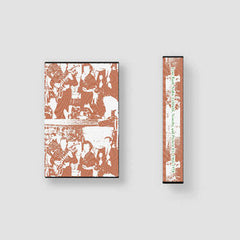
クイックビュー
{"id":8838513492218,"title":"Death Is Not The End \/ Bodega Pop \/\/ Love Raid: Arabic Leftfield, Novelty, and Protest 45s 1960-1974 MIX TAPE","handle":"death-is-not-the-end-bodega-pop-love-raid-arabic-leftfield-novelty-and-protest-45s-1960-1974-mix-tape","description":"\u003cp\u003eイギリス・ロンドンの発掘専門レーベルDeath Is Not The Endが、2025年2月にリリースした、1960-1974年代中東7\"にフォーカスしたコンピレーションカセットです。\u003c\/p\u003e\n\u003cp\u003eキュレーターはNYのラジオ番組/ハードディガーBodega Popが担当しています。\u003c\/p\u003e\n\u003cp\u003eカセットのみでの発表となります。\u003c\/p\u003e\n\u003cp\u003eレーベルその他作品は\u003ca href=\"https:\/\/tobirarecords.com\/collections\/dinte\"\u003eこちら\u003c\/a\u003e \/\/\/ Click \u003ca href=\"https:\/\/tobirarecords.com\/collections\/dinte\"\u003ehere\u003c\/a\u003e to see more Death Is Not The End releases available at Tobira.\u003c\/p\u003e\n\u003cp\u003e--------------------------------------\u003c\/p\u003e\n\u003cp\u003eCassette in norelco case.\u003cbr\u003eNo tracklisting on release. \u003c\/p\u003e\n\u003cp\u003e++\u003c\/p\u003e\n\u003cp\u003eDeath Is Not The End:\u003c\/p\u003e\n\u003cp\u003e\u003cmeta charset=\"utf-8\"\u003e\u003cem\u003e\"Love Raid is first in a series of cassette-only mixtapes with the cult WFMU show and blog Bodega Pop collecting assorted digs from across New York's bodegas and cell-phone stores. This first edition is focused on leftfield, novelty, and protest 45s from across the Arabic world recorded between 1960 \u0026amp; 1974.\"\u003c\/em\u003e\u003cbr\u003e\u003cspan\u003e\u003c\/span\u003e\u003c\/p\u003e\n\u003cp\u003e\u003cmeta charset=\"utf-8\"\u003e\u003cspan class=\"bcTruncateMore\"\u003eText by Gary Sullivan (Bodega Pop):\u003c\/span\u003e\u003c\/p\u003e\n\u003cp\u003e\u003cspan\u003e\"\u003cem\u003eA series of random discoveries in the mid-1990s led me to abandon American and British pop and focus on non-English-language music, predominantly Arabic, for the next two decades.\u003c\/em\u003e\u003c\/span\u003e\u003cbr\u003e\u003cbr\u003e\u003cem\u003eFeeding my ears required biking down to Bay Ridge, Brooklyn, or hopping on the subway to Steinway Street in Queens, where I would pop into a handful of the local bodegas and immigrant-run cell-phone stores, some of which\u003c\/em\u003e\u003cspan class=\"bcTruncateMore\"\u003e\u003cem\u003e offered music from North Africa and the Middle East on cassettes and compact discs.\u003c\/em\u003e\u003cbr\u003e\u003cbr\u003e\u003cem\u003eWhen CDs spiralled into obsolescence in the mid-2010s, I reluctantly made the switch to vinyl, concentrating on 45s and intentionally filling holes not well represented in the digital era – more artists than not hadn’t made the transition from analog in the 1980s. This meant focusing on singles by a lot of artists I’d not heard of, and it quickly became evident just how much of the era – from approximately 1960 to 1974, when 7” records were all but abandoned in Egypt and Lebanon – had been forgotten.\u003c\/em\u003e\u003cbr\u003e\u003cbr\u003e\u003cem\u003eWhat also became evident was the breadth of popular music issued by even hegemonic titan Sono Cairo. The consensus is that state radio and music publishing ignored traditional folk, shaabi, and other lowbrow pop in favor of the exalted art song we associate with Oum Kalthoum, Abdel Halim Hafez, and Farid al-Atrash.\u003c\/em\u003e\u003cbr\u003e\u003cbr\u003e\u003cem\u003eWhile this active neglect of the broadest Arabic pop spectrum is mostly true, I accumulated a not inconsequential number of what I can only describe as “novelty” records by mostly one- and two-hit wonders. From catchy gimmicks like the “doktor, ya habibi” of Maha’s “Doktor” and the “boom boom boom” of twins Thunai Badr’s “Love Raid,” to the Monty Python-level silliness of Sayed Mandoline’s fake Italian crooning and maniacal laughter in “I Present to You the Mandolin,” these were sounds I was genuinely surprised to hear.\u003c\/em\u003e\u003cbr\u003e\u003cbr\u003e\u003cem\u003eEven more remarkable were the songs recorded in English: Karim Shukry’s celebratory “Ramadan” and Motyaba \u0026amp; Nada’s civil-rights plea “No Black No White” are two of my favorites, and thus included in the present collection.\u003c\/em\u003e\u003cbr\u003e\u003cbr\u003e\u003cem\u003eThe tracks compiled here are often as beautiful as they are beguiling, but while the intention was to absolutely put together a solid listen, it was also my hope to slightly expand our understanding of Arabic music of this period beyond not just the usual suspects, but also subjects – and treatment of same.\"\u003c\/em\u003e\u003c\/span\u003e\u003c\/p\u003e\n\u003cp\u003eArtist : No artist\u003c\/p\u003e\n\u003cp\u003eLabel : Death Is Not The End x Bodega Pop\u003c\/p\u003e\n\u003cp\u003ecat no : DEATH095\u003c\/p\u003e","published_at":"2025-06-23T06:08:48+09:00","created_at":"2025-06-22T13:53:28+09:00","vendor":"Tobira Records","type":"","tags":["death is not the end","field recording","new","tape"],"price":267000,"price_min":267000,"price_max":267000,"available":false,"price_varies":false,"compare_at_price":null,"compare_at_price_min":0,"compare_at_price_max":0,"compare_at_price_varies":false,"variants":[{"id":47427182297338,"title":"Default Title","option1":"Default Title","option2":null,"option3":null,"sku":"","requires_shipping":true,"taxable":true,"featured_image":null,"available":false,"name":"Death Is Not The End \/ Bodega Pop \/\/ Love Raid: Arabic Leftfield, Novelty, and Protest 45s 1960-1974 MIX TAPE","public_title":null,"options":["Default Title"],"price":267000,"weight":60,"compare_at_price":null,"inventory_management":"shopify","barcode":null,"requires_selling_plan":false,"selling_plan_allocations":[],"quantity_rule":{"min":1,"max":null,"increment":1}}],"images":["\/\/tobirarecords.com\/cdn\/shop\/files\/love1_1ac8099b-ab6a-464b-b60d-82bc3f10eb40.jpg?v=1750567892"],"featured_image":"\/\/tobirarecords.com\/cdn\/shop\/files\/love1_1ac8099b-ab6a-464b-b60d-82bc3f10eb40.jpg?v=1750567892","options":["Title"],"media":[{"alt":null,"id":36243369132282,"position":1,"preview_image":{"aspect_ratio":1.0,"height":300,"width":300,"src":"\/\/tobirarecords.com\/cdn\/shop\/files\/love1_1ac8099b-ab6a-464b-b60d-82bc3f10eb40.jpg?v=1750567892"},"aspect_ratio":1.0,"height":300,"media_type":"image","src":"\/\/tobirarecords.com\/cdn\/shop\/files\/love1_1ac8099b-ab6a-464b-b60d-82bc3f10eb40.jpg?v=1750567892","width":300}],"requires_selling_plan":false,"selling_plan_groups":[],"content":"\u003cp\u003eイギリス・ロンドンの発掘専門レーベルDeath Is Not The Endが、2025年2月にリリースした、1960-1974年代中東7\"にフォーカスしたコンピレーションカセットです。\u003c\/p\u003e\n\u003cp\u003eキュレーターはNYのラジオ番組/ハードディガーBodega Popが担当しています。\u003c\/p\u003e\n\u003cp\u003eカセットのみでの発表となります。\u003c\/p\u003e\n\u003cp\u003eレーベルその他作品は\u003ca href=\"https:\/\/tobirarecords.com\/collections\/dinte\"\u003eこちら\u003c\/a\u003e \/\/\/ Click \u003ca href=\"https:\/\/tobirarecords.com\/collections\/dinte\"\u003ehere\u003c\/a\u003e to see more Death Is Not The End releases available at Tobira.\u003c\/p\u003e\n\u003cp\u003e--------------------------------------\u003c\/p\u003e\n\u003cp\u003eCassette in norelco case.\u003cbr\u003eNo tracklisting on release. \u003c\/p\u003e\n\u003cp\u003e++\u003c\/p\u003e\n\u003cp\u003eDeath Is Not The End:\u003c\/p\u003e\n\u003cp\u003e\u003cmeta charset=\"utf-8\"\u003e\u003cem\u003e\"Love Raid is first in a series of cassette-only mixtapes with the cult WFMU show and blog Bodega Pop collecting assorted digs from across New York's bodegas and cell-phone stores. This first edition is focused on leftfield, novelty, and protest 45s from across the Arabic world recorded between 1960 \u0026amp; 1974.\"\u003c\/em\u003e\u003cbr\u003e\u003cspan\u003e\u003c\/span\u003e\u003c\/p\u003e\n\u003cp\u003e\u003cmeta charset=\"utf-8\"\u003e\u003cspan class=\"bcTruncateMore\"\u003eText by Gary Sullivan (Bodega Pop):\u003c\/span\u003e\u003c\/p\u003e\n\u003cp\u003e\u003cspan\u003e\"\u003cem\u003eA series of random discoveries in the mid-1990s led me to abandon American and British pop and focus on non-English-language music, predominantly Arabic, for the next two decades.\u003c\/em\u003e\u003c\/span\u003e\u003cbr\u003e\u003cbr\u003e\u003cem\u003eFeeding my ears required biking down to Bay Ridge, Brooklyn, or hopping on the subway to Steinway Street in Queens, where I would pop into a handful of the local bodegas and immigrant-run cell-phone stores, some of which\u003c\/em\u003e\u003cspan class=\"bcTruncateMore\"\u003e\u003cem\u003e offered music from North Africa and the Middle East on cassettes and compact discs.\u003c\/em\u003e\u003cbr\u003e\u003cbr\u003e\u003cem\u003eWhen CDs spiralled into obsolescence in the mid-2010s, I reluctantly made the switch to vinyl, concentrating on 45s and intentionally filling holes not well represented in the digital era – more artists than not hadn’t made the transition from analog in the 1980s. This meant focusing on singles by a lot of artists I’d not heard of, and it quickly became evident just how much of the era – from approximately 1960 to 1974, when 7” records were all but abandoned in Egypt and Lebanon – had been forgotten.\u003c\/em\u003e\u003cbr\u003e\u003cbr\u003e\u003cem\u003eWhat also became evident was the breadth of popular music issued by even hegemonic titan Sono Cairo. The consensus is that state radio and music publishing ignored traditional folk, shaabi, and other lowbrow pop in favor of the exalted art song we associate with Oum Kalthoum, Abdel Halim Hafez, and Farid al-Atrash.\u003c\/em\u003e\u003cbr\u003e\u003cbr\u003e\u003cem\u003eWhile this active neglect of the broadest Arabic pop spectrum is mostly true, I accumulated a not inconsequential number of what I can only describe as “novelty” records by mostly one- and two-hit wonders. From catchy gimmicks like the “doktor, ya habibi” of Maha’s “Doktor” and the “boom boom boom” of twins Thunai Badr’s “Love Raid,” to the Monty Python-level silliness of Sayed Mandoline’s fake Italian crooning and maniacal laughter in “I Present to You the Mandolin,” these were sounds I was genuinely surprised to hear.\u003c\/em\u003e\u003cbr\u003e\u003cbr\u003e\u003cem\u003eEven more remarkable were the songs recorded in English: Karim Shukry’s celebratory “Ramadan” and Motyaba \u0026amp; Nada’s civil-rights plea “No Black No White” are two of my favorites, and thus included in the present collection.\u003c\/em\u003e\u003cbr\u003e\u003cbr\u003e\u003cem\u003eThe tracks compiled here are often as beautiful as they are beguiling, but while the intention was to absolutely put together a solid listen, it was also my hope to slightly expand our understanding of Arabic music of this period beyond not just the usual suspects, but also subjects – and treatment of same.\"\u003c\/em\u003e\u003c\/span\u003e\u003c\/p\u003e\n\u003cp\u003eArtist : No artist\u003c\/p\u003e\n\u003cp\u003eLabel : Death Is Not The End x Bodega Pop\u003c\/p\u003e\n\u003cp\u003ecat no : DEATH095\u003c\/p\u003e"}
You may also like:
イギリス・ロンドンの発掘専門レーベルDeath Is Not The Endが、2025年2月にリリースした、1960-1974年代中東7"にフォーカスしたコンピレーションカセットです。 キュレーターはNYのラジオ番組/ハードディガーBodega Popが担当しています。 カセットのみでの発表となります。 レーベルその他作品はこちら /// Click here to see more Death Is...
Sold Out

クイックビュー
{"id":8838512050426,"title":"Various Artists (Death Is Not The End \/ Bodega Pop) \/\/ Let Me Perish Without Return: Lament and Longing from the Fading Russian Empire, 1889-1917 TAPE","handle":"various-artists-death-is-not-the-end-let-me-perish-without-return-lament-and-longing-from-the-fading-russian-empire-1889-1917-tape","description":"\u003cp\u003eイギリス・ロンドンの発掘専門レーベルDeath Is Not The Endが、2025年4月にリリースした、1889-1917年ロシア民謡にフォーカスしたコンピレーションカセットです。\u003c\/p\u003e\n\u003cp\u003eキュレーターはNYのラジオ番組/ハードディガーBodega Popが担当しています。\u003c\/p\u003e\n\u003cp\u003e※デジタル音源を無料でお送りいたしますのでお気軽にご連絡くださいませ\u003c\/p\u003e\n\u003cp\u003e以下、Bodega Popによる解説です。\u003c\/p\u003e\n\u003cp\u003e\u003cem\u003e\"前世紀の変わり目、ロシア帝国は帝国の過去の重みと激変する未来への期待との狭間で岐路に立っていた。文化が大きく変貌し、動揺していた時期に録音されたこの音楽は、歴史におけるその儚い瞬間を垣間見せてくれる。ムジチョールの定番であった遊び心に満ちた風刺的なメロディーから、シベリアの流刑地に追放された人々の絶望を反映した悲痛なバラードまで、これらの曲は避難所であると同時に、体制下で多くの人々が経験した深い苦しみを映し出すものであった。娯楽というよりも、居間や居酒屋、街角や牢獄で歌われる、当時のロシア文化に不可欠なものだった。\u003c\/em\u003e\u003c\/p\u003e\n\u003cp\u003e\u003cem\u003e私はこの音楽を、クイーンズ区のフォレスト・ヒルズやブルックリン区のブライトン・ビーチ、グレイブゼンド界隈にあるいくつかのギフトショップやメディアショップで見つけた。これらの地域や他のいくつかの地域には、現在ニューヨークには50万人以上のロシア系住民が住んでおり、その多くは難民である。私がニューヨークの無数の移民経営の店で音楽を集めていた10代の頃、なぜこの音楽なのか、なぜここなのか、なぜ今なのかといつも考えていた。\u003c\/em\u003e\u003c\/p\u003e\n\u003cp\u003e\u003cem\u003e2000年代から2010年代にかけて、移民たちがニューヨークの棚に並べていたCDは、彼らの母国で手に入るもののごく一部だった。20世紀初頭の録音のコンピレーションをコンスタントに扱っていたのは、ロシア人は少数派で、中国、エジプト、ギリシャ、トルコの店主だけが、この時期の音楽史に特に熱心だったと、私の頭の中で記憶している。\u003c\/em\u003e\u003c\/p\u003e\n\u003cp\u003e\u003cem\u003eこのような古い音楽の魅力は何だったのだろうか?ロシア系ニューヨーカー第一世代は、自分たちの疎外感や不安感の反映をこの音楽に感じたのかもしれない。これらの歌に表現された深い悲しみや憧れは、彼ら自身の喪失感と共鳴し、同時に感情を共有するという形で慰めを与えたのかもしれない。おそらくそれは、苦難と変化の時代を生き抜いてきた年長者や先祖に寄り添ってきた文化的な記憶を生かすための方法だったのだろう。\u003c\/em\u003e\u003c\/p\u003e\n\u003cp\u003e\u003cem\u003e現代の我々にとって、このような古い音楽の魅力とは何だろうか?\"\u003c\/em\u003e\u003c\/p\u003e\n\u003cp\u003e\u003ciframe style=\"border: 0; width: 100%; height: 120px;\" src=\"https:\/\/bandcamp.com\/EmbeddedPlayer\/album=232366096\/size=large\/bgcol=ffffff\/linkcol=0687f5\/tracklist=false\/artwork=none\/transparent=true\/\"\u003e\u003c\/iframe\u003e\u003c\/p\u003e\n\u003cp\u003eレーベルその他作品は\u003ca href=\"https:\/\/tobirarecords.com\/collections\/dinte\"\u003eこちら\u003c\/a\u003e \/\/\/ Click \u003ca href=\"https:\/\/tobirarecords.com\/collections\/dinte\"\u003ehere\u003c\/a\u003e to see more Death Is Not The End releases available at Tobira.\u003c\/p\u003e\n\u003cp\u003e--------------------------------------\u003c\/p\u003e\n\u003cp\u003eCassette in norelco case.\u003cbr\u003e\u003c\/p\u003e\n\u003cblockquote\u003e\n\u003cp\u003e\u003cstrong\u003eTracklist\u003c\/strong\u003e:\u003c\/p\u003e\n\u003cp class=\"MsoNormal\"\u003e1. S. Sadovnikov - Let Me Perish Without Return 02:34\u003cbr\u003e2. Bogemski \u0026amp; Mironova - In the Harem 02:17\u003cbr\u003e3. Y. Morfessi - You Ask for Songs 02:18\u003cbr\u003e4. V. Kriger - Conversation Between the Audience and the Gramophone 03:17\u003cbr\u003e5. N. Plevitskaya - The Horse Drags Along Quietly 02:35\u003cbr\u003e6. Unknown Artists - Unknown Song 03:00\u003cbr\u003e7. D. Ershov - Tell Me, Comrade, How Did You End up in the Mine? 02:54\u003cbr\u003e8. Borin \u0026amp; Dmitrievsky - No, No, I Don’t Want 03:02\u003cbr\u003e9. Bragin - Do You Remember, Comrade Constant? 02:42\u003cbr\u003e10. N. Tamara - Swan Song 02:29\u003cbr\u003e11. Mikhailova - In the Midnight Silence 02:42\u003cbr\u003e12. L. Sibiryakov - Star, Forgive Me, It’s Time for Me to Sleep 03:06\u003cbr\u003e13. M. Komarova - Have Pity 02:35\u003cbr\u003e14. M. Vavich - Have Pity 02:30\u003cbr\u003e15. Orlov \u0026amp; Romanchenko - Nastenka 02:47\u003cbr\u003e16. N. Shevelev - The Song of a Convict 03:04\u003cbr\u003e17. Unknown Artists - Unknown Song 02:51\u003cbr\u003e18. N. Dulkevich - The Last Five Roubles 02:21\u003cbr\u003e19. A. Zharkovsky - Our Tormented, Tortured Brother Craftsman 03:19\u003cbr\u003e20. F. Shalyapin - The Sun Rises and Sets 03:21\u003c\/p\u003e\n\u003c\/blockquote\u003e\n\u003cp\u003eDeath Is Not The End:\u003c\/p\u003e\n\u003cp\u003e\u003cmeta charset=\"utf-8\"\u003e\u003cem\u003e\"Our next release with Gary Sullivan's Bodega Pop project - rooted in a passion for digging for music in bodegas and cell-phone stores across NYC's boroughs. This edition focuses in on early recordings found in Russian neighborhoods in Brooklyn \u0026amp; Queens.\"\u003c\/em\u003e\u003c\/p\u003e\n\u003cp\u003e\u003cmeta charset=\"utf-8\"\u003e\u003cspan class=\"bcTruncateMore\"\u003eText by Gary Sullivan (Bodega Pop)\u003c\/span\u003e\u003cspan\u003e :\u003c\/span\u003e\u003cbr\u003e\u003cbr\u003e\u003cem\u003e\"At the turn of the last century, the Russian Empire stood at a crossroads, caught between the weight of its imperial past and the promise of a radically altered future. Recorded during a period of profound cultural transformation and unrest, the music collected here offers a haunting glimpse into that fragile moment in history. From playful and satirical melodies that were musichall staples to heartbreaking ballads reflecting the despair of those exiled to Siberian penal colonies, these songs provided both refuge and a reflection of the deep suffering experienced by many living under the regime. More than entertainment, they formed essential strands in the Russian cultural fabric of the time—songs sung in drawing rooms and taverns and on street corners and prison grounds.\u003c\/em\u003e\u003cbr\u003e\u003cbr\u003e\u003cem\u003eI found this music in several gift and media stores in Forest Hills, Queens, and the Brighton Beach and Gravesend neighborhoods of Brooklyn. These and a few other communities are home to more than half a million people of Russian background currently\u003c\/em\u003e\u003cspan class=\"bcTruncateMore\"\u003e\u003cem\u003e living in New York City, many of them refugees. Back in the aughts and teens, when I was collecting music from New York’s innumerable immigrant-run stores, I would always wonder why this music, why here, and why now.\u003c\/em\u003e\u003cbr\u003e\u003cbr\u003e\u003cem\u003eThe CDs immigrants stocked on their New York shelves in the 2000s and 2010s was a tiny fraction of what was available in their home countries. The Russians were in the minority of those who consistently carried compilations of early 20th century recordings—the Chinese, Egyptian, Greek, and Turkish shopkeepers were the only others I remember off the top of my head as being particularly dedicated to this period of their musical history.\u003c\/em\u003e\u003cbr\u003e\u003cbr\u003e\u003cem\u003eWhat was the appeal of such old music? First-generation Russian New Yorkers might have experienced in it a reflection of their own feelings of displacement and uncertainty. The deep sorrow and yearning expressed in these songs may have resonated with their own senses of loss while offering comfort in the form of shared emotional experience. Perhaps it was a way to keep some cultural memory alive in something they knew had once accompanied their elders and ancestors through times of hardship and change.\u003c\/em\u003e\u003cbr\u003e\u003cbr\u003e\u003cem\u003eWhat is the appeal of such old music for us, today?\"\u003c\/em\u003e\u003cbr\u003e\u003c\/span\u003e\u003c\/p\u003e\n\u003cp\u003eArtist : Various Artists\u003c\/p\u003e\n\u003cp\u003eLabel : \u003cmeta charset=\"utf-8\"\u003eDeath Is Not The End x Bodega Pop\u003c\/p\u003e\n\u003cp\u003ecat no : DEATH097\u003c\/p\u003e","published_at":"2025-06-23T06:00:13+09:00","created_at":"2025-06-22T13:49:29+09:00","vendor":"Tobira Records","type":"","tags":["death is not the end","field recording","new","tape"],"price":267000,"price_min":267000,"price_max":267000,"available":false,"price_varies":false,"compare_at_price":null,"compare_at_price_min":0,"compare_at_price_max":0,"compare_at_price_varies":false,"variants":[{"id":47427179970810,"title":"Default Title","option1":"Default Title","option2":null,"option3":null,"sku":"","requires_shipping":true,"taxable":true,"featured_image":null,"available":false,"name":"Various Artists (Death Is Not The End \/ Bodega Pop) \/\/ Let Me Perish Without Return: Lament and Longing from the Fading Russian Empire, 1889-1917 TAPE","public_title":null,"options":["Default Title"],"price":267000,"weight":60,"compare_at_price":null,"inventory_management":"shopify","barcode":null,"requires_selling_plan":false,"selling_plan_allocations":[],"quantity_rule":{"min":1,"max":null,"increment":1}}],"images":["\/\/tobirarecords.com\/cdn\/shop\/files\/le1_abf8302e-8502-43ab-b45d-85aef85b4ca1.jpg?v=1750567623","\/\/tobirarecords.com\/cdn\/shop\/files\/le2_92ab566d-296c-4473-b8f5-402d46d10bd5.jpg?v=1750567623"],"featured_image":"\/\/tobirarecords.com\/cdn\/shop\/files\/le1_abf8302e-8502-43ab-b45d-85aef85b4ca1.jpg?v=1750567623","options":["Title"],"media":[{"alt":null,"id":36243349176570,"position":1,"preview_image":{"aspect_ratio":1.0,"height":700,"width":700,"src":"\/\/tobirarecords.com\/cdn\/shop\/files\/le1_abf8302e-8502-43ab-b45d-85aef85b4ca1.jpg?v=1750567623"},"aspect_ratio":1.0,"height":700,"media_type":"image","src":"\/\/tobirarecords.com\/cdn\/shop\/files\/le1_abf8302e-8502-43ab-b45d-85aef85b4ca1.jpg?v=1750567623","width":700},{"alt":null,"id":36243349209338,"position":2,"preview_image":{"aspect_ratio":1.0,"height":1200,"width":1200,"src":"\/\/tobirarecords.com\/cdn\/shop\/files\/le2_92ab566d-296c-4473-b8f5-402d46d10bd5.jpg?v=1750567623"},"aspect_ratio":1.0,"height":1200,"media_type":"image","src":"\/\/tobirarecords.com\/cdn\/shop\/files\/le2_92ab566d-296c-4473-b8f5-402d46d10bd5.jpg?v=1750567623","width":1200}],"requires_selling_plan":false,"selling_plan_groups":[],"content":"\u003cp\u003eイギリス・ロンドンの発掘専門レーベルDeath Is Not The Endが、2025年4月にリリースした、1889-1917年ロシア民謡にフォーカスしたコンピレーションカセットです。\u003c\/p\u003e\n\u003cp\u003eキュレーターはNYのラジオ番組/ハードディガーBodega Popが担当しています。\u003c\/p\u003e\n\u003cp\u003e※デジタル音源を無料でお送りいたしますのでお気軽にご連絡くださいませ\u003c\/p\u003e\n\u003cp\u003e以下、Bodega Popによる解説です。\u003c\/p\u003e\n\u003cp\u003e\u003cem\u003e\"前世紀の変わり目、ロシア帝国は帝国の過去の重みと激変する未来への期待との狭間で岐路に立っていた。文化が大きく変貌し、動揺していた時期に録音されたこの音楽は、歴史におけるその儚い瞬間を垣間見せてくれる。ムジチョールの定番であった遊び心に満ちた風刺的なメロディーから、シベリアの流刑地に追放された人々の絶望を反映した悲痛なバラードまで、これらの曲は避難所であると同時に、体制下で多くの人々が経験した深い苦しみを映し出すものであった。娯楽というよりも、居間や居酒屋、街角や牢獄で歌われる、当時のロシア文化に不可欠なものだった。\u003c\/em\u003e\u003c\/p\u003e\n\u003cp\u003e\u003cem\u003e私はこの音楽を、クイーンズ区のフォレスト・ヒルズやブルックリン区のブライトン・ビーチ、グレイブゼンド界隈にあるいくつかのギフトショップやメディアショップで見つけた。これらの地域や他のいくつかの地域には、現在ニューヨークには50万人以上のロシア系住民が住んでおり、その多くは難民である。私がニューヨークの無数の移民経営の店で音楽を集めていた10代の頃、なぜこの音楽なのか、なぜここなのか、なぜ今なのかといつも考えていた。\u003c\/em\u003e\u003c\/p\u003e\n\u003cp\u003e\u003cem\u003e2000年代から2010年代にかけて、移民たちがニューヨークの棚に並べていたCDは、彼らの母国で手に入るもののごく一部だった。20世紀初頭の録音のコンピレーションをコンスタントに扱っていたのは、ロシア人は少数派で、中国、エジプト、ギリシャ、トルコの店主だけが、この時期の音楽史に特に熱心だったと、私の頭の中で記憶している。\u003c\/em\u003e\u003c\/p\u003e\n\u003cp\u003e\u003cem\u003eこのような古い音楽の魅力は何だったのだろうか?ロシア系ニューヨーカー第一世代は、自分たちの疎外感や不安感の反映をこの音楽に感じたのかもしれない。これらの歌に表現された深い悲しみや憧れは、彼ら自身の喪失感と共鳴し、同時に感情を共有するという形で慰めを与えたのかもしれない。おそらくそれは、苦難と変化の時代を生き抜いてきた年長者や先祖に寄り添ってきた文化的な記憶を生かすための方法だったのだろう。\u003c\/em\u003e\u003c\/p\u003e\n\u003cp\u003e\u003cem\u003e現代の我々にとって、このような古い音楽の魅力とは何だろうか?\"\u003c\/em\u003e\u003c\/p\u003e\n\u003cp\u003e\u003ciframe style=\"border: 0; width: 100%; height: 120px;\" src=\"https:\/\/bandcamp.com\/EmbeddedPlayer\/album=232366096\/size=large\/bgcol=ffffff\/linkcol=0687f5\/tracklist=false\/artwork=none\/transparent=true\/\"\u003e\u003c\/iframe\u003e\u003c\/p\u003e\n\u003cp\u003eレーベルその他作品は\u003ca href=\"https:\/\/tobirarecords.com\/collections\/dinte\"\u003eこちら\u003c\/a\u003e \/\/\/ Click \u003ca href=\"https:\/\/tobirarecords.com\/collections\/dinte\"\u003ehere\u003c\/a\u003e to see more Death Is Not The End releases available at Tobira.\u003c\/p\u003e\n\u003cp\u003e--------------------------------------\u003c\/p\u003e\n\u003cp\u003eCassette in norelco case.\u003cbr\u003e\u003c\/p\u003e\n\u003cblockquote\u003e\n\u003cp\u003e\u003cstrong\u003eTracklist\u003c\/strong\u003e:\u003c\/p\u003e\n\u003cp class=\"MsoNormal\"\u003e1. S. Sadovnikov - Let Me Perish Without Return 02:34\u003cbr\u003e2. Bogemski \u0026amp; Mironova - In the Harem 02:17\u003cbr\u003e3. Y. Morfessi - You Ask for Songs 02:18\u003cbr\u003e4. V. Kriger - Conversation Between the Audience and the Gramophone 03:17\u003cbr\u003e5. N. Plevitskaya - The Horse Drags Along Quietly 02:35\u003cbr\u003e6. Unknown Artists - Unknown Song 03:00\u003cbr\u003e7. D. Ershov - Tell Me, Comrade, How Did You End up in the Mine? 02:54\u003cbr\u003e8. Borin \u0026amp; Dmitrievsky - No, No, I Don’t Want 03:02\u003cbr\u003e9. Bragin - Do You Remember, Comrade Constant? 02:42\u003cbr\u003e10. N. Tamara - Swan Song 02:29\u003cbr\u003e11. Mikhailova - In the Midnight Silence 02:42\u003cbr\u003e12. L. Sibiryakov - Star, Forgive Me, It’s Time for Me to Sleep 03:06\u003cbr\u003e13. M. Komarova - Have Pity 02:35\u003cbr\u003e14. M. Vavich - Have Pity 02:30\u003cbr\u003e15. Orlov \u0026amp; Romanchenko - Nastenka 02:47\u003cbr\u003e16. N. Shevelev - The Song of a Convict 03:04\u003cbr\u003e17. Unknown Artists - Unknown Song 02:51\u003cbr\u003e18. N. Dulkevich - The Last Five Roubles 02:21\u003cbr\u003e19. A. Zharkovsky - Our Tormented, Tortured Brother Craftsman 03:19\u003cbr\u003e20. F. Shalyapin - The Sun Rises and Sets 03:21\u003c\/p\u003e\n\u003c\/blockquote\u003e\n\u003cp\u003eDeath Is Not The End:\u003c\/p\u003e\n\u003cp\u003e\u003cmeta charset=\"utf-8\"\u003e\u003cem\u003e\"Our next release with Gary Sullivan's Bodega Pop project - rooted in a passion for digging for music in bodegas and cell-phone stores across NYC's boroughs. This edition focuses in on early recordings found in Russian neighborhoods in Brooklyn \u0026amp; Queens.\"\u003c\/em\u003e\u003c\/p\u003e\n\u003cp\u003e\u003cmeta charset=\"utf-8\"\u003e\u003cspan class=\"bcTruncateMore\"\u003eText by Gary Sullivan (Bodega Pop)\u003c\/span\u003e\u003cspan\u003e :\u003c\/span\u003e\u003cbr\u003e\u003cbr\u003e\u003cem\u003e\"At the turn of the last century, the Russian Empire stood at a crossroads, caught between the weight of its imperial past and the promise of a radically altered future. Recorded during a period of profound cultural transformation and unrest, the music collected here offers a haunting glimpse into that fragile moment in history. From playful and satirical melodies that were musichall staples to heartbreaking ballads reflecting the despair of those exiled to Siberian penal colonies, these songs provided both refuge and a reflection of the deep suffering experienced by many living under the regime. More than entertainment, they formed essential strands in the Russian cultural fabric of the time—songs sung in drawing rooms and taverns and on street corners and prison grounds.\u003c\/em\u003e\u003cbr\u003e\u003cbr\u003e\u003cem\u003eI found this music in several gift and media stores in Forest Hills, Queens, and the Brighton Beach and Gravesend neighborhoods of Brooklyn. These and a few other communities are home to more than half a million people of Russian background currently\u003c\/em\u003e\u003cspan class=\"bcTruncateMore\"\u003e\u003cem\u003e living in New York City, many of them refugees. Back in the aughts and teens, when I was collecting music from New York’s innumerable immigrant-run stores, I would always wonder why this music, why here, and why now.\u003c\/em\u003e\u003cbr\u003e\u003cbr\u003e\u003cem\u003eThe CDs immigrants stocked on their New York shelves in the 2000s and 2010s was a tiny fraction of what was available in their home countries. The Russians were in the minority of those who consistently carried compilations of early 20th century recordings—the Chinese, Egyptian, Greek, and Turkish shopkeepers were the only others I remember off the top of my head as being particularly dedicated to this period of their musical history.\u003c\/em\u003e\u003cbr\u003e\u003cbr\u003e\u003cem\u003eWhat was the appeal of such old music? First-generation Russian New Yorkers might have experienced in it a reflection of their own feelings of displacement and uncertainty. The deep sorrow and yearning expressed in these songs may have resonated with their own senses of loss while offering comfort in the form of shared emotional experience. Perhaps it was a way to keep some cultural memory alive in something they knew had once accompanied their elders and ancestors through times of hardship and change.\u003c\/em\u003e\u003cbr\u003e\u003cbr\u003e\u003cem\u003eWhat is the appeal of such old music for us, today?\"\u003c\/em\u003e\u003cbr\u003e\u003c\/span\u003e\u003c\/p\u003e\n\u003cp\u003eArtist : Various Artists\u003c\/p\u003e\n\u003cp\u003eLabel : \u003cmeta charset=\"utf-8\"\u003eDeath Is Not The End x Bodega Pop\u003c\/p\u003e\n\u003cp\u003ecat no : DEATH097\u003c\/p\u003e"}
You may also like:
イギリス・ロンドンの発掘専門レーベルDeath Is Not The Endが、2025年4月にリリースした、1889-1917年ロシア民謡にフォーカスしたコンピレーションカセットです。 キュレーターはNYのラジオ番組/ハードディガーBodega Popが担当しています。 ※デジタル音源を無料でお送りいたしますのでお気軽にご連絡くださいませ 以下、Bodega Popによる解説です。 "前世紀の変わり目、ロシア帝国は帝国の過去の重みと激変する未来への期待との狭間で岐路に立っていた。文化が大きく変貌し、動揺していた時期に録音されたこの音楽は、歴史におけるその儚い瞬間を垣間見せてくれる。ムジチョールの定番であった遊び心に満ちた風刺的なメロディーから、シベリアの流刑地に追放された人々の絶望を反映した悲痛なバラードまで、これらの曲は避難所であると同時に、体制下で多くの人々が経験した深い苦しみを映し出すものであった。娯楽というよりも、居間や居酒屋、街角や牢獄で歌われる、当時のロシア文化に不可欠なものだった。 私はこの音楽を、クイーンズ区のフォレスト・ヒルズやブルックリン区のブライトン・ビーチ、グレイブゼンド界隈にあるいくつかのギフトショップやメディアショップで見つけた。これらの地域や他のいくつかの地域には、現在ニューヨークには50万人以上のロシア系住民が住んでおり、その多くは難民である。私がニューヨークの無数の移民経営の店で音楽を集めていた10代の頃、なぜこの音楽なのか、なぜここなのか、なぜ今なのかといつも考えていた。 2000年代から2010年代にかけて、移民たちがニューヨークの棚に並べていたCDは、彼らの母国で手に入るもののごく一部だった。20世紀初頭の録音のコンピレーションをコンスタントに扱っていたのは、ロシア人は少数派で、中国、エジプト、ギリシャ、トルコの店主だけが、この時期の音楽史に特に熱心だったと、私の頭の中で記憶している。 このような古い音楽の魅力は何だったのだろうか?ロシア系ニューヨーカー第一世代は、自分たちの疎外感や不安感の反映をこの音楽に感じたのかもしれない。これらの歌に表現された深い悲しみや憧れは、彼ら自身の喪失感と共鳴し、同時に感情を共有するという形で慰めを与えたのかもしれない。おそらくそれは、苦難と変化の時代を生き抜いてきた年長者や先祖に寄り添ってきた文化的な記憶を生かすための方法だったのだろう。...
Sold Out
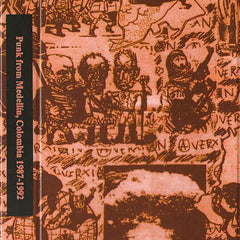
クイックビュー
{"id":8838511591674,"title":"Various Artists (Death Is Not The End) \/\/ Punk from Medellín, Colombia 1987-1992 MIX TAPE","handle":"various-artists-death-is-not-the-end-punk-from-medellin-colombia-1987-1992-mix-tape","description":"\u003cp\u003eイギリス・ロンドンの発掘専門レーベルDeath Is Not The Endが、2024年にリリースした、1987-1992年コロンビア・メデジンのハードコア・パンクにフォーカスしたコンピレーションカセットです。\u003c\/p\u003e\n\u003cp\u003eカセットのみでの発表となります。\u003c\/p\u003e\n\u003cp\u003e以下、レーベルによる解説です。\u003c\/p\u003e\n\u003cp\u003e\u003cem\u003e\"アートには、それが生まれた環境を完璧に反映する瞬間がある。80年代後半から90年代前半のメデジンのHC\/パンク\/メタル・シーン全体がそうだ。当時、メデジンは麻薬カルテル、汚職、抑圧、貧困のために世界で最も暴力的な都市だった。この暴力は日常生活の現実であり、この時代にメデジンで花開いた音楽にも反映されている。それは、これまでに存在した中で最も正真正銘に暴力的で、攻撃的で、ノイジーで、生々しく、擦り切れるようなHC\/パンク\/メタルである。このテープは、その時代の音のスナップショットである。\"\u003c\/em\u003e\u003c\/p\u003e\n\u003cp\u003eレーベルその他作品は\u003ca href=\"https:\/\/tobirarecords.com\/collections\/dinte\"\u003eこちら\u003c\/a\u003e \/\/\/ Click \u003ca href=\"https:\/\/tobirarecords.com\/collections\/dinte\"\u003ehere\u003c\/a\u003e to see more Death Is Not The End releases available at Tobira.\u003c\/p\u003e\n\u003cp\u003e--------------------------------------\u003c\/p\u003e\n\u003cp\u003eCassette in norelco case.\u003cbr\u003eNo tracklisting on release. \u003c\/p\u003e\n\u003cp\u003eDeath Is Not The End:\u003c\/p\u003e\n\u003cp\u003e\"\u003cmeta charset=\"utf-8\"\u003e\u003cem\u003eOur third mixtape in partnership with Philadelphia punk archivists World Gone Mad, this time specifically focused on the late 1980s\/early 90s punk \u0026amp; hardcore scene in Medellín, Colombia.\u003c\/em\u003e\u003cbr\u003e\u003cbr\u003e\u003cem\u003e\"There are moments in which art perfectly reflects the surroundings in which it was born. This is the case of the entire hc\/punk\/metal scene in late 80s\/early 90s Medellín. It was, at the time, the most violent city in the world because of drug cartels, corruption, oppression \u0026amp; poverty. This violence was the reality of daily life \u0026amp; is reflected in the music that flourished in Medellín during the time period. It is some of the most authentically violent, aggressive, noisy, raw \u0026amp; abrasive hc\/punk\/metal to ever exist. This tape is a sonic snapshot of those times.\"\u003c\/em\u003e\u003c\/p\u003e\n\u003cp\u003eArtist : Various Artists \/ Death Is Not The End\u003c\/p\u003e\n\u003cp\u003eLabel : Death Is Not The End\u003c\/p\u003e\n\u003cp\u003ecat no : DEATH088\u003c\/p\u003e","published_at":"2025-06-23T06:04:35+09:00","created_at":"2025-06-22T13:45:21+09:00","vendor":"Tobira Records","type":"","tags":["death is not the end","field recording","new","noise","tape"],"price":267000,"price_min":267000,"price_max":267000,"available":false,"price_varies":false,"compare_at_price":null,"compare_at_price_min":0,"compare_at_price_max":0,"compare_at_price_varies":false,"variants":[{"id":47427178430714,"title":"Default Title","option1":"Default Title","option2":null,"option3":null,"sku":"","requires_shipping":true,"taxable":true,"featured_image":null,"available":false,"name":"Various Artists (Death Is Not The End) \/\/ Punk from Medellín, Colombia 1987-1992 MIX TAPE","public_title":null,"options":["Default Title"],"price":267000,"weight":60,"compare_at_price":null,"inventory_management":"shopify","barcode":null,"requires_selling_plan":false,"selling_plan_allocations":[],"quantity_rule":{"min":1,"max":null,"increment":1}}],"images":["\/\/tobirarecords.com\/cdn\/shop\/files\/med.jpg?v=1750567500","\/\/tobirarecords.com\/cdn\/shop\/files\/med1_cdede285-7875-4559-96ca-38c1d585a3cb.jpg?v=1750567515"],"featured_image":"\/\/tobirarecords.com\/cdn\/shop\/files\/med.jpg?v=1750567500","options":["Title"],"media":[{"alt":null,"id":36243345211642,"position":1,"preview_image":{"aspect_ratio":1.0,"height":457,"width":457,"src":"\/\/tobirarecords.com\/cdn\/shop\/files\/med.jpg?v=1750567500"},"aspect_ratio":1.0,"height":457,"media_type":"image","src":"\/\/tobirarecords.com\/cdn\/shop\/files\/med.jpg?v=1750567500","width":457},{"alt":null,"id":36243345244410,"position":2,"preview_image":{"aspect_ratio":1.0,"height":300,"width":300,"src":"\/\/tobirarecords.com\/cdn\/shop\/files\/med1_cdede285-7875-4559-96ca-38c1d585a3cb.jpg?v=1750567515"},"aspect_ratio":1.0,"height":300,"media_type":"image","src":"\/\/tobirarecords.com\/cdn\/shop\/files\/med1_cdede285-7875-4559-96ca-38c1d585a3cb.jpg?v=1750567515","width":300}],"requires_selling_plan":false,"selling_plan_groups":[],"content":"\u003cp\u003eイギリス・ロンドンの発掘専門レーベルDeath Is Not The Endが、2024年にリリースした、1987-1992年コロンビア・メデジンのハードコア・パンクにフォーカスしたコンピレーションカセットです。\u003c\/p\u003e\n\u003cp\u003eカセットのみでの発表となります。\u003c\/p\u003e\n\u003cp\u003e以下、レーベルによる解説です。\u003c\/p\u003e\n\u003cp\u003e\u003cem\u003e\"アートには、それが生まれた環境を完璧に反映する瞬間がある。80年代後半から90年代前半のメデジンのHC\/パンク\/メタル・シーン全体がそうだ。当時、メデジンは麻薬カルテル、汚職、抑圧、貧困のために世界で最も暴力的な都市だった。この暴力は日常生活の現実であり、この時代にメデジンで花開いた音楽にも反映されている。それは、これまでに存在した中で最も正真正銘に暴力的で、攻撃的で、ノイジーで、生々しく、擦り切れるようなHC\/パンク\/メタルである。このテープは、その時代の音のスナップショットである。\"\u003c\/em\u003e\u003c\/p\u003e\n\u003cp\u003eレーベルその他作品は\u003ca href=\"https:\/\/tobirarecords.com\/collections\/dinte\"\u003eこちら\u003c\/a\u003e \/\/\/ Click \u003ca href=\"https:\/\/tobirarecords.com\/collections\/dinte\"\u003ehere\u003c\/a\u003e to see more Death Is Not The End releases available at Tobira.\u003c\/p\u003e\n\u003cp\u003e--------------------------------------\u003c\/p\u003e\n\u003cp\u003eCassette in norelco case.\u003cbr\u003eNo tracklisting on release. \u003c\/p\u003e\n\u003cp\u003eDeath Is Not The End:\u003c\/p\u003e\n\u003cp\u003e\"\u003cmeta charset=\"utf-8\"\u003e\u003cem\u003eOur third mixtape in partnership with Philadelphia punk archivists World Gone Mad, this time specifically focused on the late 1980s\/early 90s punk \u0026amp; hardcore scene in Medellín, Colombia.\u003c\/em\u003e\u003cbr\u003e\u003cbr\u003e\u003cem\u003e\"There are moments in which art perfectly reflects the surroundings in which it was born. This is the case of the entire hc\/punk\/metal scene in late 80s\/early 90s Medellín. It was, at the time, the most violent city in the world because of drug cartels, corruption, oppression \u0026amp; poverty. This violence was the reality of daily life \u0026amp; is reflected in the music that flourished in Medellín during the time period. It is some of the most authentically violent, aggressive, noisy, raw \u0026amp; abrasive hc\/punk\/metal to ever exist. This tape is a sonic snapshot of those times.\"\u003c\/em\u003e\u003c\/p\u003e\n\u003cp\u003eArtist : Various Artists \/ Death Is Not The End\u003c\/p\u003e\n\u003cp\u003eLabel : Death Is Not The End\u003c\/p\u003e\n\u003cp\u003ecat no : DEATH088\u003c\/p\u003e"}
You may also like:
イギリス・ロンドンの発掘専門レーベルDeath Is Not The Endが、2024年にリリースした、1987-1992年コロンビア・メデジンのハードコア・パンクにフォーカスしたコンピレーションカセットです。 カセットのみでの発表となります。 以下、レーベルによる解説です。 "アートには、それが生まれた環境を完璧に反映する瞬間がある。80年代後半から90年代前半のメデジンのHC/パンク/メタル・シーン全体がそうだ。当時、メデジンは麻薬カルテル、汚職、抑圧、貧困のために世界で最も暴力的な都市だった。この暴力は日常生活の現実であり、この時代にメデジンで花開いた音楽にも反映されている。それは、これまでに存在した中で最も正真正銘に暴力的で、攻撃的で、ノイジーで、生々しく、擦り切れるようなHC/パンク/メタルである。このテープは、その時代の音のスナップショットである。" レーベルその他作品はこちら /// Click here to see more Death Is...
Sold Out

クイックビュー
{"id":8677431574778,"title":"Various Artists (Death Is Not The End) \/\/ Crumbling Concrete and Rusted Iron: A Soviet Punk Cassette, 1985-1992 TAPE","handle":"various-artists-crumbling-concrete-and-rusted-iron-a-soviet-punk-cassette-1985-1992-tape","description":"\u003cp\u003eイギリス・ロンドンの発掘専門レーベルDeath Is Not The Endが、2024年12月にリリースしたカセットです。\u003c\/p\u003e\n\u003cp\u003e1985-1992年にリリースされたソビエトパンクのミックステープです。\u003c\/p\u003e\n\u003cp\u003eカセットのみでの発表となります。\u003c\/p\u003e\n\u003cp\u003e\u003ciframe width=\"560\" height=\"315\" src=\"https:\/\/www.youtube.com\/embed\/BKw8VUv-GCo?si=2dpoLlJOzMzOPmQa\" title=\"YouTube video player\" frameborder=\"0\" allow=\"accelerometer; autoplay; clipboard-write; encrypted-media; gyroscope; picture-in-picture; web-share\" referrerpolicy=\"strict-origin-when-cross-origin\" allowfullscreen=\"\"\u003e\u003c\/iframe\u003e\u003c\/p\u003e\n\u003cp\u003e\u003cmeta charset=\"utf-8\"\u003eレーベルその他作品は\u003ca href=\"https:\/\/tobirarecords.com\/collections\/dinte\" data-mce-href=\"https:\/\/tobirarecords.com\/collections\/dinte\"\u003eこちら\u003c\/a\u003e \/\/\/ Click \u003ca href=\"https:\/\/tobirarecords.com\/collections\/dinte\" data-mce-href=\"https:\/\/tobirarecords.com\/collections\/dinte\"\u003ehere\u003c\/a\u003e to see more Death Is Not The End releases available at Tobira.\u003c\/p\u003e\n\u003cp\u003e-------------------------------------\u003c\/p\u003e\n\u003cp\u003eCassette in norelco case. C\u003cspan\u003eassette-only mixtape taking in Soviet punk selections, 1985 to 1992, issued in partnership with Philadelphia's World Gone Mad.\u003c\/span\u003e\u003c\/p\u003e\n\u003cblockquote\u003e\n\u003cp\u003e\u003cstrong\u003eTracklist\u003c\/strong\u003e:\u003c\/p\u003e\n\u003cp class=\"MsoNormal\"\u003eA1\u003cspan style=\"mso-tab-count: 1;\" data-mce-style=\"mso-tab-count: 1;\"\u003e \u003c\/span\u003eЕгор И Опизденевшие = Yegor I Opizdenevshiye–\u003cspan style=\"mso-tab-count: 1;\" data-mce-style=\"mso-tab-count: 1;\"\u003e \u003c\/span\u003eСвобода = Freedom\u003cbr\u003eA2\u003cspan style=\"mso-tab-count: 1;\" data-mce-style=\"mso-tab-count: 1;\"\u003e \u003c\/span\u003eЯнка Дягилева* = Yanka Dyagileva–\u003cspan style=\"mso-tab-count: 1;\" data-mce-style=\"mso-tab-count: 1;\"\u003e \u003c\/span\u003eНа Чёрный День = For A Rainy Day\u003cbr\u003eA3\u003cspan style=\"mso-tab-count: 1;\" data-mce-style=\"mso-tab-count: 1;\"\u003e \u003c\/span\u003eJ.M.K.E.–\u003cspan style=\"mso-tab-count: 1;\" data-mce-style=\"mso-tab-count: 1;\"\u003e \u003c\/span\u003eTere Perestroika\u003cbr\u003eA4\u003cspan style=\"mso-tab-count: 1;\" data-mce-style=\"mso-tab-count: 1;\"\u003e \u003c\/span\u003e12 Подвигов Нуркена = Podvigov Nurkena–\u003cspan style=\"mso-tab-count: 1;\" data-mce-style=\"mso-tab-count: 1;\"\u003e \u003c\/span\u003eСтранный Пьяный Мальчик = Strange Drunken Boy\u003cbr\u003eA5\u003cspan style=\"mso-tab-count: 1;\" data-mce-style=\"mso-tab-count: 1;\"\u003e \u003c\/span\u003eНаив = Naiv–\u003cspan style=\"mso-tab-count: 1;\" data-mce-style=\"mso-tab-count: 1;\"\u003e \u003c\/span\u003eТанки-Панкa = Tanks-Punks\u003cbr\u003eA6\u003cspan style=\"mso-tab-count: 1;\" data-mce-style=\"mso-tab-count: 1;\"\u003e \u003c\/span\u003eГражданская Оборона = Grazhdanskaya Oborona*–\u003cspan style=\"mso-tab-count: 1;\" data-mce-style=\"mso-tab-count: 1;\"\u003e \u003c\/span\u003eВсё Летит В Пизду = Everything Flies In A Pussy\u003cbr\u003eA7\u003cspan style=\"mso-tab-count: 1;\" data-mce-style=\"mso-tab-count: 1;\"\u003e \u003c\/span\u003eКино = Kino–\u003cspan style=\"mso-tab-count: 1;\" data-mce-style=\"mso-tab-count: 1;\"\u003e \u003c\/span\u003eУходи = Go Away\u003cbr\u003eA8\u003cspan style=\"mso-tab-count: 1;\" data-mce-style=\"mso-tab-count: 1;\"\u003e \u003c\/span\u003eСпинкa Мента = Spinka Menta–\u003cspan style=\"mso-tab-count: 1;\" data-mce-style=\"mso-tab-count: 1;\"\u003e \u003c\/span\u003eДоброе Утро = Good Morning\u003cbr\u003eA9\u003cspan style=\"mso-tab-count: 1;\" data-mce-style=\"mso-tab-count: 1;\"\u003e \u003c\/span\u003eАрмия Власова = Armiya Vlasova–\u003cspan style=\"mso-tab-count: 1;\" data-mce-style=\"mso-tab-count: 1;\"\u003e \u003c\/span\u003eКоммунизм = Communism\u003cbr\u003eA10\u003cspan style=\"mso-tab-count: 1;\" data-mce-style=\"mso-tab-count: 1;\"\u003e \u003c\/span\u003eRetsepti–\u003cspan style=\"mso-tab-count: 1;\" data-mce-style=\"mso-tab-count: 1;\"\u003e \u003c\/span\u003eAm Kalakshi Dghes Mepoben Mglebi = In This City, Wolves Reign\u003cbr\u003eA11\u003cspan style=\"mso-tab-count: 1;\" data-mce-style=\"mso-tab-count: 1;\"\u003e \u003c\/span\u003eКоммунизм = Kommunizm–\u003cspan style=\"mso-tab-count: 1;\" data-mce-style=\"mso-tab-count: 1;\"\u003e \u003c\/span\u003eМаленький Принц Возвращался Домой = Little Prince Came Home\u003cbr\u003eA12\u003cspan style=\"mso-tab-count: 1;\" data-mce-style=\"mso-tab-count: 1;\"\u003e \u003c\/span\u003eГражданская Оборона = Grazhdanskaya Oborona–\u003cspan style=\"mso-tab-count: 1;\" data-mce-style=\"mso-tab-count: 1;\"\u003e \u003c\/span\u003eПесня О Ленине = Song About Lenin\u003cbr\u003eA13\u003cspan style=\"mso-tab-count: 1;\" data-mce-style=\"mso-tab-count: 1;\"\u003e \u003c\/span\u003eВиктор Цой = Viktor Tsoi–\u003cspan style=\"mso-tab-count: 1;\" data-mce-style=\"mso-tab-count: 1;\"\u003e \u003c\/span\u003eМалыш = Baby Rusted Iron\u003cspan style=\"mso-tab-count: 1;\" data-mce-style=\"mso-tab-count: 1;\"\u003e \u003cbr\u003e\u003c\/span\u003eB1\u003cspan style=\"mso-tab-count: 1;\" data-mce-style=\"mso-tab-count: 1;\"\u003e \u003c\/span\u003eКино = Kino–\u003cspan style=\"mso-tab-count: 1;\" data-mce-style=\"mso-tab-count: 1;\"\u003e \u003c\/span\u003eДальше Действовать Будем Мы = We Will Continue To Act\u003cbr\u003eB2\u003cspan style=\"mso-tab-count: 1;\" data-mce-style=\"mso-tab-count: 1;\"\u003e \u003c\/span\u003eЯнка Дягилева = Yanka Dyagileva–\u003cspan style=\"mso-tab-count: 1;\" data-mce-style=\"mso-tab-count: 1;\"\u003e \u003c\/span\u003eПо Трамвайным Рельсам = On Tram Tracks\u003cbr\u003eB3\u003cspan style=\"mso-tab-count: 1;\" data-mce-style=\"mso-tab-count: 1;\"\u003e \u003c\/span\u003eЕгор И Опизденевшие = Yegor I Opizdenevshiye–\u003cspan style=\"mso-tab-count: 1;\" data-mce-style=\"mso-tab-count: 1;\"\u003e \u003c\/span\u003eОфелия = Ophelia\u003cbr\u003eB4\u003cspan style=\"mso-tab-count: 1;\" data-mce-style=\"mso-tab-count: 1;\"\u003e \u003c\/span\u003eП.О.Г.О. = P.O.G.O.–\u003cspan style=\"mso-tab-count: 1;\" data-mce-style=\"mso-tab-count: 1;\"\u003e \u003c\/span\u003eМясокомбинат = Meat Combine\u003cbr\u003eB5\u003cspan style=\"mso-tab-count: 1;\" data-mce-style=\"mso-tab-count: 1;\"\u003e \u003c\/span\u003eАнархия = Anarhiya–\u003cspan style=\"mso-tab-count: 1;\" data-mce-style=\"mso-tab-count: 1;\"\u003e \u003c\/span\u003eЛозунги = Slogans\u003cbr\u003eB6\u003cspan style=\"mso-tab-count: 1;\" data-mce-style=\"mso-tab-count: 1;\"\u003e \u003c\/span\u003eJ.M.K.E.–\u003cspan style=\"mso-tab-count: 1;\" data-mce-style=\"mso-tab-count: 1;\"\u003e \u003c\/span\u003eSavist Saar = Savory Island\u003cbr\u003eB7\u003cspan style=\"mso-tab-count: 1;\" data-mce-style=\"mso-tab-count: 1;\"\u003e \u003c\/span\u003eСпинкa Мента = Spinka Menta–\u003cspan style=\"mso-tab-count: 1;\" data-mce-style=\"mso-tab-count: 1;\"\u003e \u003c\/span\u003eСказка Сказок = Fairy Tale Of Fairy Tales\u003cbr\u003eB8\u003cspan style=\"mso-tab-count: 1;\" data-mce-style=\"mso-tab-count: 1;\"\u003e \u003c\/span\u003eRetsepti–\u003cspan style=\"mso-tab-count: 1;\" data-mce-style=\"mso-tab-count: 1;\"\u003e \u003c\/span\u003eMshia = Hunger\u003cbr\u003eB9\u003cspan style=\"mso-tab-count: 1;\" data-mce-style=\"mso-tab-count: 1;\"\u003e \u003c\/span\u003eГражданская Оборона = Grazhdanskaya Oborona–\u003cspan style=\"mso-tab-count: 1;\" data-mce-style=\"mso-tab-count: 1;\"\u003e \u003c\/span\u003eРусское Поле Экспериментов = Russian Field Experiments\u003c\/p\u003e\n\u003c\/blockquote\u003e\n\u003cp\u003eArtist : Various\u003c\/p\u003e\n\u003cp\u003eLabel : \u003cmeta charset=\"utf-8\"\u003eDeath Is Not The End\u003c\/p\u003e\n\u003cp\u003eCAT No : DEATH085\u003c\/p\u003e","published_at":"2024-12-07T13:32:43+09:00","created_at":"2024-12-07T12:53:36+09:00","vendor":"Tobira Records","type":"","tags":["death is not the end","folk \/ left-field pop","new","tape"],"price":269200,"price_min":269200,"price_max":269200,"available":false,"price_varies":false,"compare_at_price":null,"compare_at_price_min":0,"compare_at_price_max":0,"compare_at_price_varies":false,"variants":[{"id":46931550994682,"title":"Default Title","option1":"Default Title","option2":null,"option3":null,"sku":"","requires_shipping":true,"taxable":true,"featured_image":null,"available":false,"name":"Various Artists (Death Is Not The End) \/\/ Crumbling Concrete and Rusted Iron: A Soviet Punk Cassette, 1985-1992 TAPE","public_title":null,"options":["Default Title"],"price":269200,"weight":60,"compare_at_price":null,"inventory_management":"shopify","barcode":"5050580838048","requires_selling_plan":false,"selling_plan_allocations":[],"quantity_rule":{"min":1,"max":null,"increment":1}}],"images":["\/\/tobirarecords.com\/cdn\/shop\/files\/iron1.jpg?v=1733546028"],"featured_image":"\/\/tobirarecords.com\/cdn\/shop\/files\/iron1.jpg?v=1733546028","options":["Title"],"media":[{"alt":null,"id":35276337676538,"position":1,"preview_image":{"aspect_ratio":1.0,"height":300,"width":300,"src":"\/\/tobirarecords.com\/cdn\/shop\/files\/iron1.jpg?v=1733546028"},"aspect_ratio":1.0,"height":300,"media_type":"image","src":"\/\/tobirarecords.com\/cdn\/shop\/files\/iron1.jpg?v=1733546028","width":300}],"requires_selling_plan":false,"selling_plan_groups":[],"content":"\u003cp\u003eイギリス・ロンドンの発掘専門レーベルDeath Is Not The Endが、2024年12月にリリースしたカセットです。\u003c\/p\u003e\n\u003cp\u003e1985-1992年にリリースされたソビエトパンクのミックステープです。\u003c\/p\u003e\n\u003cp\u003eカセットのみでの発表となります。\u003c\/p\u003e\n\u003cp\u003e\u003ciframe width=\"560\" height=\"315\" src=\"https:\/\/www.youtube.com\/embed\/BKw8VUv-GCo?si=2dpoLlJOzMzOPmQa\" title=\"YouTube video player\" frameborder=\"0\" allow=\"accelerometer; autoplay; clipboard-write; encrypted-media; gyroscope; picture-in-picture; web-share\" referrerpolicy=\"strict-origin-when-cross-origin\" allowfullscreen=\"\"\u003e\u003c\/iframe\u003e\u003c\/p\u003e\n\u003cp\u003e\u003cmeta charset=\"utf-8\"\u003eレーベルその他作品は\u003ca href=\"https:\/\/tobirarecords.com\/collections\/dinte\" data-mce-href=\"https:\/\/tobirarecords.com\/collections\/dinte\"\u003eこちら\u003c\/a\u003e \/\/\/ Click \u003ca href=\"https:\/\/tobirarecords.com\/collections\/dinte\" data-mce-href=\"https:\/\/tobirarecords.com\/collections\/dinte\"\u003ehere\u003c\/a\u003e to see more Death Is Not The End releases available at Tobira.\u003c\/p\u003e\n\u003cp\u003e-------------------------------------\u003c\/p\u003e\n\u003cp\u003eCassette in norelco case. C\u003cspan\u003eassette-only mixtape taking in Soviet punk selections, 1985 to 1992, issued in partnership with Philadelphia's World Gone Mad.\u003c\/span\u003e\u003c\/p\u003e\n\u003cblockquote\u003e\n\u003cp\u003e\u003cstrong\u003eTracklist\u003c\/strong\u003e:\u003c\/p\u003e\n\u003cp class=\"MsoNormal\"\u003eA1\u003cspan style=\"mso-tab-count: 1;\" data-mce-style=\"mso-tab-count: 1;\"\u003e \u003c\/span\u003eЕгор И Опизденевшие = Yegor I Opizdenevshiye–\u003cspan style=\"mso-tab-count: 1;\" data-mce-style=\"mso-tab-count: 1;\"\u003e \u003c\/span\u003eСвобода = Freedom\u003cbr\u003eA2\u003cspan style=\"mso-tab-count: 1;\" data-mce-style=\"mso-tab-count: 1;\"\u003e \u003c\/span\u003eЯнка Дягилева* = Yanka Dyagileva–\u003cspan style=\"mso-tab-count: 1;\" data-mce-style=\"mso-tab-count: 1;\"\u003e \u003c\/span\u003eНа Чёрный День = For A Rainy Day\u003cbr\u003eA3\u003cspan style=\"mso-tab-count: 1;\" data-mce-style=\"mso-tab-count: 1;\"\u003e \u003c\/span\u003eJ.M.K.E.–\u003cspan style=\"mso-tab-count: 1;\" data-mce-style=\"mso-tab-count: 1;\"\u003e \u003c\/span\u003eTere Perestroika\u003cbr\u003eA4\u003cspan style=\"mso-tab-count: 1;\" data-mce-style=\"mso-tab-count: 1;\"\u003e \u003c\/span\u003e12 Подвигов Нуркена = Podvigov Nurkena–\u003cspan style=\"mso-tab-count: 1;\" data-mce-style=\"mso-tab-count: 1;\"\u003e \u003c\/span\u003eСтранный Пьяный Мальчик = Strange Drunken Boy\u003cbr\u003eA5\u003cspan style=\"mso-tab-count: 1;\" data-mce-style=\"mso-tab-count: 1;\"\u003e \u003c\/span\u003eНаив = Naiv–\u003cspan style=\"mso-tab-count: 1;\" data-mce-style=\"mso-tab-count: 1;\"\u003e \u003c\/span\u003eТанки-Панкa = Tanks-Punks\u003cbr\u003eA6\u003cspan style=\"mso-tab-count: 1;\" data-mce-style=\"mso-tab-count: 1;\"\u003e \u003c\/span\u003eГражданская Оборона = Grazhdanskaya Oborona*–\u003cspan style=\"mso-tab-count: 1;\" data-mce-style=\"mso-tab-count: 1;\"\u003e \u003c\/span\u003eВсё Летит В Пизду = Everything Flies In A Pussy\u003cbr\u003eA7\u003cspan style=\"mso-tab-count: 1;\" data-mce-style=\"mso-tab-count: 1;\"\u003e \u003c\/span\u003eКино = Kino–\u003cspan style=\"mso-tab-count: 1;\" data-mce-style=\"mso-tab-count: 1;\"\u003e \u003c\/span\u003eУходи = Go Away\u003cbr\u003eA8\u003cspan style=\"mso-tab-count: 1;\" data-mce-style=\"mso-tab-count: 1;\"\u003e \u003c\/span\u003eСпинкa Мента = Spinka Menta–\u003cspan style=\"mso-tab-count: 1;\" data-mce-style=\"mso-tab-count: 1;\"\u003e \u003c\/span\u003eДоброе Утро = Good Morning\u003cbr\u003eA9\u003cspan style=\"mso-tab-count: 1;\" data-mce-style=\"mso-tab-count: 1;\"\u003e \u003c\/span\u003eАрмия Власова = Armiya Vlasova–\u003cspan style=\"mso-tab-count: 1;\" data-mce-style=\"mso-tab-count: 1;\"\u003e \u003c\/span\u003eКоммунизм = Communism\u003cbr\u003eA10\u003cspan style=\"mso-tab-count: 1;\" data-mce-style=\"mso-tab-count: 1;\"\u003e \u003c\/span\u003eRetsepti–\u003cspan style=\"mso-tab-count: 1;\" data-mce-style=\"mso-tab-count: 1;\"\u003e \u003c\/span\u003eAm Kalakshi Dghes Mepoben Mglebi = In This City, Wolves Reign\u003cbr\u003eA11\u003cspan style=\"mso-tab-count: 1;\" data-mce-style=\"mso-tab-count: 1;\"\u003e \u003c\/span\u003eКоммунизм = Kommunizm–\u003cspan style=\"mso-tab-count: 1;\" data-mce-style=\"mso-tab-count: 1;\"\u003e \u003c\/span\u003eМаленький Принц Возвращался Домой = Little Prince Came Home\u003cbr\u003eA12\u003cspan style=\"mso-tab-count: 1;\" data-mce-style=\"mso-tab-count: 1;\"\u003e \u003c\/span\u003eГражданская Оборона = Grazhdanskaya Oborona–\u003cspan style=\"mso-tab-count: 1;\" data-mce-style=\"mso-tab-count: 1;\"\u003e \u003c\/span\u003eПесня О Ленине = Song About Lenin\u003cbr\u003eA13\u003cspan style=\"mso-tab-count: 1;\" data-mce-style=\"mso-tab-count: 1;\"\u003e \u003c\/span\u003eВиктор Цой = Viktor Tsoi–\u003cspan style=\"mso-tab-count: 1;\" data-mce-style=\"mso-tab-count: 1;\"\u003e \u003c\/span\u003eМалыш = Baby Rusted Iron\u003cspan style=\"mso-tab-count: 1;\" data-mce-style=\"mso-tab-count: 1;\"\u003e \u003cbr\u003e\u003c\/span\u003eB1\u003cspan style=\"mso-tab-count: 1;\" data-mce-style=\"mso-tab-count: 1;\"\u003e \u003c\/span\u003eКино = Kino–\u003cspan style=\"mso-tab-count: 1;\" data-mce-style=\"mso-tab-count: 1;\"\u003e \u003c\/span\u003eДальше Действовать Будем Мы = We Will Continue To Act\u003cbr\u003eB2\u003cspan style=\"mso-tab-count: 1;\" data-mce-style=\"mso-tab-count: 1;\"\u003e \u003c\/span\u003eЯнка Дягилева = Yanka Dyagileva–\u003cspan style=\"mso-tab-count: 1;\" data-mce-style=\"mso-tab-count: 1;\"\u003e \u003c\/span\u003eПо Трамвайным Рельсам = On Tram Tracks\u003cbr\u003eB3\u003cspan style=\"mso-tab-count: 1;\" data-mce-style=\"mso-tab-count: 1;\"\u003e \u003c\/span\u003eЕгор И Опизденевшие = Yegor I Opizdenevshiye–\u003cspan style=\"mso-tab-count: 1;\" data-mce-style=\"mso-tab-count: 1;\"\u003e \u003c\/span\u003eОфелия = Ophelia\u003cbr\u003eB4\u003cspan style=\"mso-tab-count: 1;\" data-mce-style=\"mso-tab-count: 1;\"\u003e \u003c\/span\u003eП.О.Г.О. = P.O.G.O.–\u003cspan style=\"mso-tab-count: 1;\" data-mce-style=\"mso-tab-count: 1;\"\u003e \u003c\/span\u003eМясокомбинат = Meat Combine\u003cbr\u003eB5\u003cspan style=\"mso-tab-count: 1;\" data-mce-style=\"mso-tab-count: 1;\"\u003e \u003c\/span\u003eАнархия = Anarhiya–\u003cspan style=\"mso-tab-count: 1;\" data-mce-style=\"mso-tab-count: 1;\"\u003e \u003c\/span\u003eЛозунги = Slogans\u003cbr\u003eB6\u003cspan style=\"mso-tab-count: 1;\" data-mce-style=\"mso-tab-count: 1;\"\u003e \u003c\/span\u003eJ.M.K.E.–\u003cspan style=\"mso-tab-count: 1;\" data-mce-style=\"mso-tab-count: 1;\"\u003e \u003c\/span\u003eSavist Saar = Savory Island\u003cbr\u003eB7\u003cspan style=\"mso-tab-count: 1;\" data-mce-style=\"mso-tab-count: 1;\"\u003e \u003c\/span\u003eСпинкa Мента = Spinka Menta–\u003cspan style=\"mso-tab-count: 1;\" data-mce-style=\"mso-tab-count: 1;\"\u003e \u003c\/span\u003eСказка Сказок = Fairy Tale Of Fairy Tales\u003cbr\u003eB8\u003cspan style=\"mso-tab-count: 1;\" data-mce-style=\"mso-tab-count: 1;\"\u003e \u003c\/span\u003eRetsepti–\u003cspan style=\"mso-tab-count: 1;\" data-mce-style=\"mso-tab-count: 1;\"\u003e \u003c\/span\u003eMshia = Hunger\u003cbr\u003eB9\u003cspan style=\"mso-tab-count: 1;\" data-mce-style=\"mso-tab-count: 1;\"\u003e \u003c\/span\u003eГражданская Оборона = Grazhdanskaya Oborona–\u003cspan style=\"mso-tab-count: 1;\" data-mce-style=\"mso-tab-count: 1;\"\u003e \u003c\/span\u003eРусское Поле Экспериментов = Russian Field Experiments\u003c\/p\u003e\n\u003c\/blockquote\u003e\n\u003cp\u003eArtist : Various\u003c\/p\u003e\n\u003cp\u003eLabel : \u003cmeta charset=\"utf-8\"\u003eDeath Is Not The End\u003c\/p\u003e\n\u003cp\u003eCAT No : DEATH085\u003c\/p\u003e"}
You may also like:
イギリス・ロンドンの発掘専門レーベルDeath Is Not The Endが、2024年12月にリリースしたカセットです。 1985-1992年にリリースされたソビエトパンクのミックステープです。 カセットのみでの発表となります。 レーベルその他作品はこちら /// Click here to see more Death Is...
Sold Out

クイックビュー
{"id":8677431050490,"title":"Death Is Not The End \"Making Records\" T-SHIRT - L","handle":"death-is-not-the-end-making-records-t-shirt-l","description":"\u003cp\u003eイギリス・ロンドンの発掘専門レーベルDeath Is Not The Endが、2024年12月にリリースしたTシャツ(Gildan製)です。\u003c\/p\u003e\n\u003cp\u003e\u003cmeta charset=\"utf-8\"\u003e\u003cspan\u003eA limited run of Making Records tees, screen-printed in black on sand Gildan Heavy cotton short sleeve t-shirts. \u003cbr\u003eAvailable in size L (large). \u003c\/span\u003e\u003c\/p\u003e\n\u003cp\u003e \u003c\/p\u003e\n\u003cp\u003eレーベルその他作品は\u003ca href=\"https:\/\/tobirarecords.com\/collections\/dinte\"\u003eこちら\u003c\/a\u003e \/\/\/ Click \u003ca href=\"https:\/\/tobirarecords.com\/collections\/dinte\"\u003ehere\u003c\/a\u003e to see more Death Is Not The End releases available at Tobira.\u003c\/p\u003e\n\u003cp\u003eLabel : \u003cmeta charset=\"utf-8\"\u003eDeath Is Not The End\u003c\/p\u003e","published_at":"2024-12-07T13:38:12+09:00","created_at":"2024-12-07T12:48:34+09:00","vendor":"Tobira Records","type":"","tags":["books \/ clothing \/ others","death is not the end","new"],"price":439800,"price_min":439800,"price_max":439800,"available":false,"price_varies":false,"compare_at_price":null,"compare_at_price_min":0,"compare_at_price_max":0,"compare_at_price_varies":false,"variants":[{"id":46931545948410,"title":"Default Title","option1":"Default Title","option2":null,"option3":null,"sku":"","requires_shipping":true,"taxable":true,"featured_image":null,"available":false,"name":"Death Is Not The End \"Making Records\" T-SHIRT - L","public_title":null,"options":["Default Title"],"price":439800,"weight":350,"compare_at_price":null,"inventory_management":"shopify","barcode":null,"requires_selling_plan":false,"selling_plan_allocations":[],"quantity_rule":{"min":1,"max":null,"increment":1}}],"images":["\/\/tobirarecords.com\/cdn\/shop\/files\/death1_1443faf5-017a-4aef-a94c-757c8c90ff4a.jpg?v=1733546282"],"featured_image":"\/\/tobirarecords.com\/cdn\/shop\/files\/death1_1443faf5-017a-4aef-a94c-757c8c90ff4a.jpg?v=1733546282","options":["Title"],"media":[{"alt":null,"id":35276335513850,"position":1,"preview_image":{"aspect_ratio":1.0,"height":300,"width":300,"src":"\/\/tobirarecords.com\/cdn\/shop\/files\/death1_1443faf5-017a-4aef-a94c-757c8c90ff4a.jpg?v=1733546282"},"aspect_ratio":1.0,"height":300,"media_type":"image","src":"\/\/tobirarecords.com\/cdn\/shop\/files\/death1_1443faf5-017a-4aef-a94c-757c8c90ff4a.jpg?v=1733546282","width":300}],"requires_selling_plan":false,"selling_plan_groups":[],"content":"\u003cp\u003eイギリス・ロンドンの発掘専門レーベルDeath Is Not The Endが、2024年12月にリリースしたTシャツ(Gildan製)です。\u003c\/p\u003e\n\u003cp\u003e\u003cmeta charset=\"utf-8\"\u003e\u003cspan\u003eA limited run of Making Records tees, screen-printed in black on sand Gildan Heavy cotton short sleeve t-shirts. \u003cbr\u003eAvailable in size L (large). \u003c\/span\u003e\u003c\/p\u003e\n\u003cp\u003e \u003c\/p\u003e\n\u003cp\u003eレーベルその他作品は\u003ca href=\"https:\/\/tobirarecords.com\/collections\/dinte\"\u003eこちら\u003c\/a\u003e \/\/\/ Click \u003ca href=\"https:\/\/tobirarecords.com\/collections\/dinte\"\u003ehere\u003c\/a\u003e to see more Death Is Not The End releases available at Tobira.\u003c\/p\u003e\n\u003cp\u003eLabel : \u003cmeta charset=\"utf-8\"\u003eDeath Is Not The End\u003c\/p\u003e"}
You may also like:
イギリス・ロンドンの発掘専門レーベルDeath Is Not The Endが、2024年12月にリリースしたTシャツ(Gildan製)です。 A limited run of Making Records tees, screen-printed in...
Sold Out
クイックビュー
{"id":8640228917498,"title":"Death Is Not The End \/\/ Bristol Pirates LP","handle":"death-is-not-the-end-bristol-pirates-lp","description":"\u003cp\u003eイギリス・ロンドンの発掘専門レーベルDeath Is Not The Endが、2024年9月にリリースしたレコードです。\u003c\/p\u003e\n\u003cp\u003e1980年代後半から2000年初頭までのブリストルの海賊ラジオ局放送をカットアップしたジャンルクロスオーバーの一枚です。\u003c\/p\u003e\n\u003cp\u003e※デジタル音源を無料でお送りいたしますのでお気軽にご連絡くださいませ\u003c\/p\u003e\n\u003cp\u003e\u003ciframe src=\"https:\/\/bandcamp.com\/EmbeddedPlayer\/album=2557072332\/size=large\/bgcol=ffffff\/linkcol=0687f5\/tracklist=false\/artwork=none\/transparent=true\/\" style=\"border: 0; width: 100%; height: 120px;\"\u003e\u003c\/iframe\u003e\u003c\/p\u003e\n\u003cp\u003eレーベルその他作品は\u003ca href=\"https:\/\/tobirarecords.com\/collections\/dinte\"\u003eこちら\u003c\/a\u003e \/\/\/ Click \u003ca href=\"https:\/\/tobirarecords.com\/collections\/dinte\"\u003ehere\u003c\/a\u003e to see more Death Is Not The End releases available at Tobira.\u003c\/p\u003e\n\u003cp\u003e----------------------\u003c\/p\u003e\n\u003cp\u003e12\" black vinyl. \u003c\/p\u003e\n\u003cp\u003e\u003cstrong\u003eTracklist\u003c\/strong\u003e:\u003cspan style=\"mso-tab-count: 1;\"\u003e \u003c\/span\u003e\u003c\/p\u003e\n\u003cblockquote\u003e\n\u003cp class=\"MsoNormal\"\u003e1. Side A 30:50\u003cbr\u003e2. Side B 29:12\u003c\/p\u003e\n\u003c\/blockquote\u003e\n\u003cp\u003eDeath Is Not The End:\u003c\/p\u003e\n\u003cp\u003e\"\u003cmeta charset=\"utf-8\"\u003e\u003cem\u003eOriginally made as a contribution to the Blowing Up The Workshop mix series, subsequently given a cassette release in 2019, now finally receiving a limited vinyl LP pressing.\u003c\/em\u003e\u003cbr\u003e\u003cbr\u003e\u003cem\u003e\"A trip across the frequencies of Bristol's pirate radio stations via cut-ups of broadcasts, taken from the late 1980s to the early 2000s ~ also a love-letter to my childhood, an audio document of the years I spent growing up in the city.\"\"\u003c\/em\u003e\u003c\/p\u003e\n\u003cp\u003eArtist : Death Is Not The End [archival recordings]\u003c\/p\u003e\n\u003cp\u003eLabel : Death Is Not The End\u003cbr\u003e\u003c\/p\u003e\n\u003cp\u003eCAT No : \u003cmeta charset=\"utf-8\"\u003e\u003cspan\u003eDEATH031LP\u003c\/span\u003e\u003c\/p\u003e","published_at":"2024-10-12T08:28:59+09:00","created_at":"2024-10-11T15:34:27+09:00","vendor":"Tobira Records","type":"","tags":["death is not the end","field recording","hiphop \/ funk","house","lp","new"],"price":448000,"price_min":448000,"price_max":448000,"available":false,"price_varies":false,"compare_at_price":null,"compare_at_price_min":0,"compare_at_price_max":0,"compare_at_price_varies":false,"variants":[{"id":46739727089914,"title":"Default Title","option1":"Default Title","option2":null,"option3":null,"sku":"","requires_shipping":true,"taxable":true,"featured_image":null,"available":false,"name":"Death Is Not The End \/\/ Bristol Pirates LP","public_title":null,"options":["Default Title"],"price":448000,"weight":430,"compare_at_price":null,"inventory_management":"shopify","barcode":"5050580820173","requires_selling_plan":false,"selling_plan_allocations":[],"quantity_rule":{"min":1,"max":null,"increment":1}}],"images":["\/\/tobirarecords.com\/cdn\/shop\/files\/pi1_bae44181-4ec4-4e2d-9294-c9c8872531cf.jpg?v=1728628401","\/\/tobirarecords.com\/cdn\/shop\/files\/pi2_3e601399-a870-435a-a910-51f3fba7ca49.jpg?v=1728628402"],"featured_image":"\/\/tobirarecords.com\/cdn\/shop\/files\/pi1_bae44181-4ec4-4e2d-9294-c9c8872531cf.jpg?v=1728628401","options":["Title"],"media":[{"alt":null,"id":35033673105658,"position":1,"preview_image":{"aspect_ratio":1.0,"height":700,"width":700,"src":"\/\/tobirarecords.com\/cdn\/shop\/files\/pi1_bae44181-4ec4-4e2d-9294-c9c8872531cf.jpg?v=1728628401"},"aspect_ratio":1.0,"height":700,"media_type":"image","src":"\/\/tobirarecords.com\/cdn\/shop\/files\/pi1_bae44181-4ec4-4e2d-9294-c9c8872531cf.jpg?v=1728628401","width":700},{"alt":null,"id":35033673138426,"position":2,"preview_image":{"aspect_ratio":1.0,"height":1200,"width":1200,"src":"\/\/tobirarecords.com\/cdn\/shop\/files\/pi2_3e601399-a870-435a-a910-51f3fba7ca49.jpg?v=1728628402"},"aspect_ratio":1.0,"height":1200,"media_type":"image","src":"\/\/tobirarecords.com\/cdn\/shop\/files\/pi2_3e601399-a870-435a-a910-51f3fba7ca49.jpg?v=1728628402","width":1200}],"requires_selling_plan":false,"selling_plan_groups":[],"content":"\u003cp\u003eイギリス・ロンドンの発掘専門レーベルDeath Is Not The Endが、2024年9月にリリースしたレコードです。\u003c\/p\u003e\n\u003cp\u003e1980年代後半から2000年初頭までのブリストルの海賊ラジオ局放送をカットアップしたジャンルクロスオーバーの一枚です。\u003c\/p\u003e\n\u003cp\u003e※デジタル音源を無料でお送りいたしますのでお気軽にご連絡くださいませ\u003c\/p\u003e\n\u003cp\u003e\u003ciframe src=\"https:\/\/bandcamp.com\/EmbeddedPlayer\/album=2557072332\/size=large\/bgcol=ffffff\/linkcol=0687f5\/tracklist=false\/artwork=none\/transparent=true\/\" style=\"border: 0; width: 100%; height: 120px;\"\u003e\u003c\/iframe\u003e\u003c\/p\u003e\n\u003cp\u003eレーベルその他作品は\u003ca href=\"https:\/\/tobirarecords.com\/collections\/dinte\"\u003eこちら\u003c\/a\u003e \/\/\/ Click \u003ca href=\"https:\/\/tobirarecords.com\/collections\/dinte\"\u003ehere\u003c\/a\u003e to see more Death Is Not The End releases available at Tobira.\u003c\/p\u003e\n\u003cp\u003e----------------------\u003c\/p\u003e\n\u003cp\u003e12\" black vinyl. \u003c\/p\u003e\n\u003cp\u003e\u003cstrong\u003eTracklist\u003c\/strong\u003e:\u003cspan style=\"mso-tab-count: 1;\"\u003e \u003c\/span\u003e\u003c\/p\u003e\n\u003cblockquote\u003e\n\u003cp class=\"MsoNormal\"\u003e1. Side A 30:50\u003cbr\u003e2. Side B 29:12\u003c\/p\u003e\n\u003c\/blockquote\u003e\n\u003cp\u003eDeath Is Not The End:\u003c\/p\u003e\n\u003cp\u003e\"\u003cmeta charset=\"utf-8\"\u003e\u003cem\u003eOriginally made as a contribution to the Blowing Up The Workshop mix series, subsequently given a cassette release in 2019, now finally receiving a limited vinyl LP pressing.\u003c\/em\u003e\u003cbr\u003e\u003cbr\u003e\u003cem\u003e\"A trip across the frequencies of Bristol's pirate radio stations via cut-ups of broadcasts, taken from the late 1980s to the early 2000s ~ also a love-letter to my childhood, an audio document of the years I spent growing up in the city.\"\"\u003c\/em\u003e\u003c\/p\u003e\n\u003cp\u003eArtist : Death Is Not The End [archival recordings]\u003c\/p\u003e\n\u003cp\u003eLabel : Death Is Not The End\u003cbr\u003e\u003c\/p\u003e\n\u003cp\u003eCAT No : \u003cmeta charset=\"utf-8\"\u003e\u003cspan\u003eDEATH031LP\u003c\/span\u003e\u003c\/p\u003e"}
You may also like:
イギリス・ロンドンの発掘専門レーベルDeath Is Not The Endが、2024年9月にリリースしたレコードです。 1980年代後半から2000年初頭までのブリストルの海賊ラジオ局放送をカットアップしたジャンルクロスオーバーの一枚です。 ※デジタル音源を無料でお送りいたしますのでお気軽にご連絡くださいませ レーベルその他作品はこちら /// Click here to see more Death Is Not...
Sold Out

クイックビュー
{"id":8640228262138,"title":"Death Is Not The End \/\/ Soundsystems at Notting Hill Carnival, 1984-1988 TAPE","handle":"death-is-not-the-end-soundsystems-at-notting-hill-carnival-1984-1988-tape","description":"\u003cp\u003eイギリス・ロンドンの発掘専門レーベルDeath Is Not The Endが、2024年6月にリリースしたカセットです。\u003c\/p\u003e\n\u003cp\u003e1984-1988年にロンドンのNotting Hillカーニバルで行われたセッションの抜粋ミックステープです。\u003c\/p\u003e\n\u003cp\u003eダンスホール・レゲエ黄金期の空気をご堪能いただけます。\u003c\/p\u003e\n\u003cp\u003e※デジタル音源を無料でお送りいたしますのでお気軽にご連絡くださいませ\u003c\/p\u003e\n\u003cp\u003e\u003ciframe src=\"https:\/\/bandcamp.com\/EmbeddedPlayer\/album=4224834633\/size=large\/bgcol=ffffff\/linkcol=0687f5\/tracklist=false\/artwork=none\/transparent=true\/\" style=\"border: 0; width: 100%; height: 120px;\"\u003e\u003c\/iframe\u003e\u003c\/p\u003e\n\u003cp\u003eレーベルその他作品は\u003ca href=\"https:\/\/tobirarecords.com\/collections\/dinte\"\u003eこちら\u003c\/a\u003e \/\/\/ Click \u003ca href=\"https:\/\/tobirarecords.com\/collections\/dinte\"\u003ehere\u003c\/a\u003e to see more Death Is Not The End releases available at Tobira.\u003c\/p\u003e\n\u003cp\u003e----------------------\u003c\/p\u003e\n\u003cp\u003eCassette in norelco case.\u003c\/p\u003e\n\u003cp\u003e\u003cstrong\u003eTracklist\u003c\/strong\u003e:\u003c\/p\u003e\n\u003cblockquote\u003e\n\u003cp class=\"MsoNormal\"\u003e1. Side A 27:18\u003cbr\u003e2. Side B 27:19\u003c\/p\u003e\n\u003c\/blockquote\u003e\n\u003cp\u003eDeath Is Not The End:\u003c\/p\u003e\n\u003cp\u003e\"\u003cmeta charset=\"utf-8\"\u003e\u003cem\u003eOur mixtape-style selection of clips from tapes recorded live at soundsystems playing during London's Notting Hill Carnival between 1984 and 1988, originally broadcast on NTS Radio in 2018, is the latest to be committed to cassette as part of our 10th anniversary series. Featuring sounds from the likes of Jamdown Rockers, Saxon, Java Nuclear Power, Killerwatt Turbotronic, Stereograph, Sir Coxsone, Volcano Express, King Tubbys and more.\"\u003c\/em\u003e\u003c\/p\u003e\n\u003cp\u003eArtist : Death Is Not The End [archival recordings]\u003c\/p\u003e\n\u003cp\u003eLabel : Death Is Not The End\u003c\/p\u003e","published_at":"2024-10-12T08:50:55+09:00","created_at":"2024-10-11T15:26:50+09:00","vendor":"Tobira Records","type":"","tags":["death is not the end","hiphop \/ funk","tape"],"price":266500,"price_min":266500,"price_max":266500,"available":false,"price_varies":false,"compare_at_price":null,"compare_at_price_min":0,"compare_at_price_max":0,"compare_at_price_varies":false,"variants":[{"id":46739718471930,"title":"Default Title","option1":"Default Title","option2":null,"option3":null,"sku":"","requires_shipping":true,"taxable":true,"featured_image":null,"available":false,"name":"Death Is Not The End \/\/ Soundsystems at Notting Hill Carnival, 1984-1988 TAPE","public_title":null,"options":["Default Title"],"price":266500,"weight":60,"compare_at_price":null,"inventory_management":"shopify","barcode":"5050580829671","requires_selling_plan":false,"selling_plan_allocations":[],"quantity_rule":{"min":1,"max":null,"increment":1}}],"images":["\/\/tobirarecords.com\/cdn\/shop\/files\/nott1.jpg?v=1728627940","\/\/tobirarecords.com\/cdn\/shop\/files\/nott2.jpg?v=1728627940"],"featured_image":"\/\/tobirarecords.com\/cdn\/shop\/files\/nott1.jpg?v=1728627940","options":["Title"],"media":[{"alt":null,"id":35033662292218,"position":1,"preview_image":{"aspect_ratio":1.0,"height":700,"width":700,"src":"\/\/tobirarecords.com\/cdn\/shop\/files\/nott1.jpg?v=1728627940"},"aspect_ratio":1.0,"height":700,"media_type":"image","src":"\/\/tobirarecords.com\/cdn\/shop\/files\/nott1.jpg?v=1728627940","width":700},{"alt":null,"id":35033662324986,"position":2,"preview_image":{"aspect_ratio":1.0,"height":1200,"width":1200,"src":"\/\/tobirarecords.com\/cdn\/shop\/files\/nott2.jpg?v=1728627940"},"aspect_ratio":1.0,"height":1200,"media_type":"image","src":"\/\/tobirarecords.com\/cdn\/shop\/files\/nott2.jpg?v=1728627940","width":1200}],"requires_selling_plan":false,"selling_plan_groups":[],"content":"\u003cp\u003eイギリス・ロンドンの発掘専門レーベルDeath Is Not The Endが、2024年6月にリリースしたカセットです。\u003c\/p\u003e\n\u003cp\u003e1984-1988年にロンドンのNotting Hillカーニバルで行われたセッションの抜粋ミックステープです。\u003c\/p\u003e\n\u003cp\u003eダンスホール・レゲエ黄金期の空気をご堪能いただけます。\u003c\/p\u003e\n\u003cp\u003e※デジタル音源を無料でお送りいたしますのでお気軽にご連絡くださいませ\u003c\/p\u003e\n\u003cp\u003e\u003ciframe src=\"https:\/\/bandcamp.com\/EmbeddedPlayer\/album=4224834633\/size=large\/bgcol=ffffff\/linkcol=0687f5\/tracklist=false\/artwork=none\/transparent=true\/\" style=\"border: 0; width: 100%; height: 120px;\"\u003e\u003c\/iframe\u003e\u003c\/p\u003e\n\u003cp\u003eレーベルその他作品は\u003ca href=\"https:\/\/tobirarecords.com\/collections\/dinte\"\u003eこちら\u003c\/a\u003e \/\/\/ Click \u003ca href=\"https:\/\/tobirarecords.com\/collections\/dinte\"\u003ehere\u003c\/a\u003e to see more Death Is Not The End releases available at Tobira.\u003c\/p\u003e\n\u003cp\u003e----------------------\u003c\/p\u003e\n\u003cp\u003eCassette in norelco case.\u003c\/p\u003e\n\u003cp\u003e\u003cstrong\u003eTracklist\u003c\/strong\u003e:\u003c\/p\u003e\n\u003cblockquote\u003e\n\u003cp class=\"MsoNormal\"\u003e1. Side A 27:18\u003cbr\u003e2. Side B 27:19\u003c\/p\u003e\n\u003c\/blockquote\u003e\n\u003cp\u003eDeath Is Not The End:\u003c\/p\u003e\n\u003cp\u003e\"\u003cmeta charset=\"utf-8\"\u003e\u003cem\u003eOur mixtape-style selection of clips from tapes recorded live at soundsystems playing during London's Notting Hill Carnival between 1984 and 1988, originally broadcast on NTS Radio in 2018, is the latest to be committed to cassette as part of our 10th anniversary series. Featuring sounds from the likes of Jamdown Rockers, Saxon, Java Nuclear Power, Killerwatt Turbotronic, Stereograph, Sir Coxsone, Volcano Express, King Tubbys and more.\"\u003c\/em\u003e\u003c\/p\u003e\n\u003cp\u003eArtist : Death Is Not The End [archival recordings]\u003c\/p\u003e\n\u003cp\u003eLabel : Death Is Not The End\u003c\/p\u003e"}
You may also like:
イギリス・ロンドンの発掘専門レーベルDeath Is Not The Endが、2024年6月にリリースしたカセットです。 1984-1988年にロンドンのNotting Hillカーニバルで行われたセッションの抜粋ミックステープです。 ダンスホール・レゲエ黄金期の空気をご堪能いただけます。 ※デジタル音源を無料でお送りいたしますのでお気軽にご連絡くださいませ レーベルその他作品はこちら /// Click here to see more Death...
Sold Out

クイックビュー
{"id":8640227705082,"title":"Family Ravine \/\/ (I’ll) waltz in and act like (I) own the place TAPE","handle":"family-ravine-i-ll-waltz-in-and-act-like-i-own-the-place-tape","description":"\u003cp\u003eカナダ・トロントのギタリストFamily Ravineが、2024年8月にイギリス・ロンドンの発掘専門レーベルDeath Is Not The Endからリリースしたカセットです。\u003c\/p\u003e\n\u003cp\u003eギターやカリンバ、マンドリンなどを用いた、ロードムービーのサウンドトラックのようなアンビエント・ブルース6曲を収録。\u003c\/p\u003e\n\u003cp\u003e※デジタル音源を無料でお送りいたしますのでお気軽にご連絡くださいませ\u003c\/p\u003e\n\u003cp\u003e\u003ciframe style=\"border: 0; width: 100%; height: 120px;\" src=\"https:\/\/bandcamp.com\/EmbeddedPlayer\/album=3561794868\/size=large\/bgcol=ffffff\/linkcol=0687f5\/tracklist=false\/artwork=none\/transparent=true\/\"\u003e\u003c\/iframe\u003e\u003c\/p\u003e\n\u003cp\u003e\u003ciframe src=\"https:\/\/bandcamp.com\/EmbeddedPlayer\/album=3561794868\/size=large\/bgcol=ffffff\/linkcol=0687f5\/tracklist=false\/artwork=none\/track=2941265173\/transparent=true\/\" style=\"border: 0; width: 100%; height: 120px;\"\u003e\u003c\/iframe\u003e\u003c\/p\u003e\n\u003cp\u003eレーベルその他作品は\u003ca href=\"https:\/\/tobirarecords.com\/collections\/dinte\"\u003eこちら\u003c\/a\u003e \/\/\/ Click \u003ca href=\"https:\/\/tobirarecords.com\/collections\/dinte\"\u003ehere\u003c\/a\u003e to see more Death Is Not The End releases available at Tobira.\u003c\/p\u003e\n\u003cp\u003e----------------------\u003c\/p\u003e\n\u003cp\u003eCassette in norelco case.\u003c\/p\u003e\n\u003cp\u003e\u003cstrong\u003eTracklist\u003c\/strong\u003e:\u003c\/p\u003e\n\u003cblockquote\u003e\n\u003cp class=\"MsoNormal\"\u003e1. Part Chance 04:20\u003cbr\u003e2. Frontier did drop off 07:29\u003cbr\u003e3. Have swim blood 06:17\u003cbr\u003e4. Raised high a toast 05:54\u003cbr\u003e5. Dang old heater 05:04\u003cbr\u003e6. The anti-cowboy trust 10:10\u003c\/p\u003e\n\u003c\/blockquote\u003e\n\u003cp\u003eDeath Is Not The End:\u003c\/p\u003e\n\u003cp\u003e\"\u003cmeta charset=\"utf-8\"\u003e\u003cem\u003eK.W. Cahill records and plays acoustic and electric guitars, mandolin, karimba, melodica and an AM\/FM portable radio on March 2024 time.\u003c\/em\u003e\u003cbr\u003e\u003cem\u003eMastered by James A. Toth in Toronto.\u003c\/em\u003e\u003cbr\u003e\u003cbr\u003e\u003cem\u003eSynchronicity, or plain trying to find connections, or maybe spirits in muted gathering, or fuck it, it’s ghosts getting stirred up and they need to be released. These (ghosts) are mingling and hanging around, peripherally present, lingering and floating off. The (ghosts’ll) waltz in and act like (they) own the place. (I’m) ultimately just trying to get to a zone to let the (ghost) melodies speak, let the wood and metal resonate and ring, playing all the parts that sit in shadow, shapes and notes and patterns, overtones, emotions, hanging by a thread. (I’ll) waltz in and act like (I) own the place.\"\u003c\/em\u003e\u003c\/p\u003e\n\u003cp\u003eArtist : Family Ravine\u003c\/p\u003e\n\u003cp\u003eLabel : Death Is Not The End\u003c\/p\u003e\n\u003cp\u003eCAT No : \u003cmeta charset=\"utf-8\"\u003e\u003cspan\u003eDEATH081\u003c\/span\u003e\u003c\/p\u003e","published_at":"2024-10-12T08:58:18+09:00","created_at":"2024-10-11T15:24:33+09:00","vendor":"Tobira Records","type":"","tags":["ambient","death is not the end","new","tape"],"price":268400,"price_min":268400,"price_max":268400,"available":false,"price_varies":false,"compare_at_price":null,"compare_at_price_min":0,"compare_at_price_max":0,"compare_at_price_varies":false,"variants":[{"id":46739715490042,"title":"Default Title","option1":"Default Title","option2":null,"option3":null,"sku":"","requires_shipping":true,"taxable":true,"featured_image":null,"available":false,"name":"Family Ravine \/\/ (I’ll) waltz in and act like (I) own the place TAPE","public_title":null,"options":["Default Title"],"price":268400,"weight":60,"compare_at_price":null,"inventory_management":"shopify","barcode":"5050580832268","requires_selling_plan":false,"selling_plan_allocations":[],"quantity_rule":{"min":1,"max":null,"increment":1}}],"images":["\/\/tobirarecords.com\/cdn\/shop\/files\/in1_b0cb2e4a-01b9-4202-b2cf-759082b67e0c.jpg?v=1728627793","\/\/tobirarecords.com\/cdn\/shop\/files\/in2_2519d40b-d0cd-42e2-ab51-865aa52707b0.jpg?v=1728627793"],"featured_image":"\/\/tobirarecords.com\/cdn\/shop\/files\/in1_b0cb2e4a-01b9-4202-b2cf-759082b67e0c.jpg?v=1728627793","options":["Title"],"media":[{"alt":null,"id":35033655247098,"position":1,"preview_image":{"aspect_ratio":1.0,"height":700,"width":700,"src":"\/\/tobirarecords.com\/cdn\/shop\/files\/in1_b0cb2e4a-01b9-4202-b2cf-759082b67e0c.jpg?v=1728627793"},"aspect_ratio":1.0,"height":700,"media_type":"image","src":"\/\/tobirarecords.com\/cdn\/shop\/files\/in1_b0cb2e4a-01b9-4202-b2cf-759082b67e0c.jpg?v=1728627793","width":700},{"alt":null,"id":35033655279866,"position":2,"preview_image":{"aspect_ratio":1.0,"height":1200,"width":1200,"src":"\/\/tobirarecords.com\/cdn\/shop\/files\/in2_2519d40b-d0cd-42e2-ab51-865aa52707b0.jpg?v=1728627793"},"aspect_ratio":1.0,"height":1200,"media_type":"image","src":"\/\/tobirarecords.com\/cdn\/shop\/files\/in2_2519d40b-d0cd-42e2-ab51-865aa52707b0.jpg?v=1728627793","width":1200}],"requires_selling_plan":false,"selling_plan_groups":[],"content":"\u003cp\u003eカナダ・トロントのギタリストFamily Ravineが、2024年8月にイギリス・ロンドンの発掘専門レーベルDeath Is Not The Endからリリースしたカセットです。\u003c\/p\u003e\n\u003cp\u003eギターやカリンバ、マンドリンなどを用いた、ロードムービーのサウンドトラックのようなアンビエント・ブルース6曲を収録。\u003c\/p\u003e\n\u003cp\u003e※デジタル音源を無料でお送りいたしますのでお気軽にご連絡くださいませ\u003c\/p\u003e\n\u003cp\u003e\u003ciframe style=\"border: 0; width: 100%; height: 120px;\" src=\"https:\/\/bandcamp.com\/EmbeddedPlayer\/album=3561794868\/size=large\/bgcol=ffffff\/linkcol=0687f5\/tracklist=false\/artwork=none\/transparent=true\/\"\u003e\u003c\/iframe\u003e\u003c\/p\u003e\n\u003cp\u003e\u003ciframe src=\"https:\/\/bandcamp.com\/EmbeddedPlayer\/album=3561794868\/size=large\/bgcol=ffffff\/linkcol=0687f5\/tracklist=false\/artwork=none\/track=2941265173\/transparent=true\/\" style=\"border: 0; width: 100%; height: 120px;\"\u003e\u003c\/iframe\u003e\u003c\/p\u003e\n\u003cp\u003eレーベルその他作品は\u003ca href=\"https:\/\/tobirarecords.com\/collections\/dinte\"\u003eこちら\u003c\/a\u003e \/\/\/ Click \u003ca href=\"https:\/\/tobirarecords.com\/collections\/dinte\"\u003ehere\u003c\/a\u003e to see more Death Is Not The End releases available at Tobira.\u003c\/p\u003e\n\u003cp\u003e----------------------\u003c\/p\u003e\n\u003cp\u003eCassette in norelco case.\u003c\/p\u003e\n\u003cp\u003e\u003cstrong\u003eTracklist\u003c\/strong\u003e:\u003c\/p\u003e\n\u003cblockquote\u003e\n\u003cp class=\"MsoNormal\"\u003e1. Part Chance 04:20\u003cbr\u003e2. Frontier did drop off 07:29\u003cbr\u003e3. Have swim blood 06:17\u003cbr\u003e4. Raised high a toast 05:54\u003cbr\u003e5. Dang old heater 05:04\u003cbr\u003e6. The anti-cowboy trust 10:10\u003c\/p\u003e\n\u003c\/blockquote\u003e\n\u003cp\u003eDeath Is Not The End:\u003c\/p\u003e\n\u003cp\u003e\"\u003cmeta charset=\"utf-8\"\u003e\u003cem\u003eK.W. Cahill records and plays acoustic and electric guitars, mandolin, karimba, melodica and an AM\/FM portable radio on March 2024 time.\u003c\/em\u003e\u003cbr\u003e\u003cem\u003eMastered by James A. Toth in Toronto.\u003c\/em\u003e\u003cbr\u003e\u003cbr\u003e\u003cem\u003eSynchronicity, or plain trying to find connections, or maybe spirits in muted gathering, or fuck it, it’s ghosts getting stirred up and they need to be released. These (ghosts) are mingling and hanging around, peripherally present, lingering and floating off. The (ghosts’ll) waltz in and act like (they) own the place. (I’m) ultimately just trying to get to a zone to let the (ghost) melodies speak, let the wood and metal resonate and ring, playing all the parts that sit in shadow, shapes and notes and patterns, overtones, emotions, hanging by a thread. (I’ll) waltz in and act like (I) own the place.\"\u003c\/em\u003e\u003c\/p\u003e\n\u003cp\u003eArtist : Family Ravine\u003c\/p\u003e\n\u003cp\u003eLabel : Death Is Not The End\u003c\/p\u003e\n\u003cp\u003eCAT No : \u003cmeta charset=\"utf-8\"\u003e\u003cspan\u003eDEATH081\u003c\/span\u003e\u003c\/p\u003e"}
You may also like:
カナダ・トロントのギタリストFamily Ravineが、2024年8月にイギリス・ロンドンの発掘専門レーベルDeath Is Not The Endからリリースしたカセットです。 ギターやカリンバ、マンドリンなどを用いた、ロードムービーのサウンドトラックのようなアンビエント・ブルース6曲を収録。 ※デジタル音源を無料でお送りいたしますのでお気軽にご連絡くださいませ レーベルその他作品はこちら /// Click here to see more Death Is...
Sold Out

クイックビュー
{"id":8633411928314,"title":"Various Artists (Death Is Not The End) \/\/ All Bad Boy \u0026 All Good Girl: Manchester Street Soul Soundtapes, 1988-1996 TAPE","handle":"various-artists-all-bad-boy-all-good-girl-manchester-street-soul-soundtapes-1988-1996","description":"\u003cp\u003e1980年代後半から1990年代半ばにかけてのイギリス・マンチェスターのストリートソウルシーンのサウンドシステムテープからの抜粋を集めたミックステープです。\u003c\/p\u003e\n\u003cp\u003eマンチェスター南部と中心部のダンスやブルース・パーティーでライブを行ったBroadway、Stereo Dan、Soul ControlなどのサウンドのDIYカセット・レコーディングをフィーチャーしています。\u003c\/p\u003e\n\u003cp\u003e\u003ciframe title=\"YouTube video player\" src=\"https:\/\/www.youtube.com\/embed\/DqKPPcsvCuo?si=7z0HQgm9CaTkWmIY\" height=\"315\" width=\"560\" allowfullscreen=\"\" referrerpolicy=\"strict-origin-when-cross-origin\" allow=\"accelerometer; autoplay; clipboard-write; encrypted-media; gyroscope; picture-in-picture; web-share\" frameborder=\"0\"\u003e\u003c\/iframe\u003e\u003c\/p\u003e\n\u003cp\u003eレーベルその他作品は\u003ca href=\"https:\/\/tobirarecords.com\/collections\/dinte\"\u003eこちら\u003c\/a\u003e \/\/\/ Click \u003ca href=\"https:\/\/tobirarecords.com\/collections\/dinte\"\u003ehere\u003c\/a\u003e to see more Death Is Not The End releases available at Tobira.\u003c\/p\u003e\n\u003cp\u003e----------------------\u003c\/p\u003e\n\u003cp\u003eDeath Is Not The End:\u003c\/p\u003e\n\u003cp\u003e\"\u003cmeta charset=\"utf-8\"\u003e\u003cem\u003eA mixtape pulling together extracts from soundsystem tapes out of Manchester's storied street soul scene of the late 1980s to mid-1990s. Featuring DIY cassette recordings of sounds such as Broadway, Stereo Dan \u0026amp; Soul Control playing live at dances and blues parties in south \u0026amp; central Manchester from 1988 through to 1996.\"\u003c\/em\u003e\u003c\/p\u003e\n\u003cp\u003eArtist : Various\u003c\/p\u003e\n\u003cp\u003eLabel : Death Is Not The End\u003c\/p\u003e\n\u003cp\u003eCat No : DEATH032 , DEATH032LP\u003c\/p\u003e","published_at":"2024-10-01T10:07:58+09:00","created_at":"2024-10-01T10:06:49+09:00","vendor":"Tobira Records","type":"","tags":["death is not the end","hiphop \/ funk","new","tape"],"price":384000,"price_min":384000,"price_max":384000,"available":false,"price_varies":false,"compare_at_price":null,"compare_at_price_min":0,"compare_at_price_max":0,"compare_at_price_varies":false,"variants":[{"id":46704056762618,"title":"Default Title","option1":"Default Title","option2":null,"option3":null,"sku":null,"requires_shipping":true,"taxable":true,"featured_image":null,"available":false,"name":"Various Artists (Death Is Not The End) \/\/ All Bad Boy \u0026 All Good Girl: Manchester Street Soul Soundtapes, 1988-1996 TAPE","public_title":null,"options":["Default Title"],"price":384000,"weight":60,"compare_at_price":null,"inventory_management":"shopify","barcode":null,"requires_selling_plan":false,"selling_plan_allocations":[],"quantity_rule":{"min":1,"max":null,"increment":1}}],"images":["\/\/tobirarecords.com\/cdn\/shop\/products\/all1_daab1188-2e77-4a1b-afc1-84ef4b074f15.jpg?v=1678677169","\/\/tobirarecords.com\/cdn\/shop\/files\/R-31114868-1719920426-3264.jpg?v=1727744678","\/\/tobirarecords.com\/cdn\/shop\/files\/R-31114868-1719920427-4626.jpg?v=1727744679","\/\/tobirarecords.com\/cdn\/shop\/products\/all2_08d6ce2b-aeb2-4c20-947f-fcf561d20a16.jpg?v=1678677169"],"featured_image":"\/\/tobirarecords.com\/cdn\/shop\/products\/all1_daab1188-2e77-4a1b-afc1-84ef4b074f15.jpg?v=1678677169","options":["Title"],"media":[{"alt":null,"id":31673005506810,"position":1,"preview_image":{"aspect_ratio":1.0,"height":700,"width":700,"src":"\/\/tobirarecords.com\/cdn\/shop\/products\/all1_daab1188-2e77-4a1b-afc1-84ef4b074f15.jpg?v=1678677169"},"aspect_ratio":1.0,"height":700,"media_type":"image","src":"\/\/tobirarecords.com\/cdn\/shop\/products\/all1_daab1188-2e77-4a1b-afc1-84ef4b074f15.jpg?v=1678677169","width":700},{"alt":null,"id":34966464594170,"position":2,"preview_image":{"aspect_ratio":1.04,"height":577,"width":600,"src":"\/\/tobirarecords.com\/cdn\/shop\/files\/R-31114868-1719920426-3264.jpg?v=1727744678"},"aspect_ratio":1.04,"height":577,"media_type":"image","src":"\/\/tobirarecords.com\/cdn\/shop\/files\/R-31114868-1719920426-3264.jpg?v=1727744678","width":600},{"alt":null,"id":34966464856314,"position":3,"preview_image":{"aspect_ratio":1.043,"height":575,"width":600,"src":"\/\/tobirarecords.com\/cdn\/shop\/files\/R-31114868-1719920427-4626.jpg?v=1727744679"},"aspect_ratio":1.043,"height":575,"media_type":"image","src":"\/\/tobirarecords.com\/cdn\/shop\/files\/R-31114868-1719920427-4626.jpg?v=1727744679","width":600},{"alt":null,"id":31673005539578,"position":4,"preview_image":{"aspect_ratio":1.0,"height":1200,"width":1200,"src":"\/\/tobirarecords.com\/cdn\/shop\/products\/all2_08d6ce2b-aeb2-4c20-947f-fcf561d20a16.jpg?v=1678677169"},"aspect_ratio":1.0,"height":1200,"media_type":"image","src":"\/\/tobirarecords.com\/cdn\/shop\/products\/all2_08d6ce2b-aeb2-4c20-947f-fcf561d20a16.jpg?v=1678677169","width":1200}],"requires_selling_plan":false,"selling_plan_groups":[],"content":"\u003cp\u003e1980年代後半から1990年代半ばにかけてのイギリス・マンチェスターのストリートソウルシーンのサウンドシステムテープからの抜粋を集めたミックステープです。\u003c\/p\u003e\n\u003cp\u003eマンチェスター南部と中心部のダンスやブルース・パーティーでライブを行ったBroadway、Stereo Dan、Soul ControlなどのサウンドのDIYカセット・レコーディングをフィーチャーしています。\u003c\/p\u003e\n\u003cp\u003e\u003ciframe title=\"YouTube video player\" src=\"https:\/\/www.youtube.com\/embed\/DqKPPcsvCuo?si=7z0HQgm9CaTkWmIY\" height=\"315\" width=\"560\" allowfullscreen=\"\" referrerpolicy=\"strict-origin-when-cross-origin\" allow=\"accelerometer; autoplay; clipboard-write; encrypted-media; gyroscope; picture-in-picture; web-share\" frameborder=\"0\"\u003e\u003c\/iframe\u003e\u003c\/p\u003e\n\u003cp\u003eレーベルその他作品は\u003ca href=\"https:\/\/tobirarecords.com\/collections\/dinte\"\u003eこちら\u003c\/a\u003e \/\/\/ Click \u003ca href=\"https:\/\/tobirarecords.com\/collections\/dinte\"\u003ehere\u003c\/a\u003e to see more Death Is Not The End releases available at Tobira.\u003c\/p\u003e\n\u003cp\u003e----------------------\u003c\/p\u003e\n\u003cp\u003eDeath Is Not The End:\u003c\/p\u003e\n\u003cp\u003e\"\u003cmeta charset=\"utf-8\"\u003e\u003cem\u003eA mixtape pulling together extracts from soundsystem tapes out of Manchester's storied street soul scene of the late 1980s to mid-1990s. Featuring DIY cassette recordings of sounds such as Broadway, Stereo Dan \u0026amp; Soul Control playing live at dances and blues parties in south \u0026amp; central Manchester from 1988 through to 1996.\"\u003c\/em\u003e\u003c\/p\u003e\n\u003cp\u003eArtist : Various\u003c\/p\u003e\n\u003cp\u003eLabel : Death Is Not The End\u003c\/p\u003e\n\u003cp\u003eCat No : DEATH032 , DEATH032LP\u003c\/p\u003e"}
You may also like:
1980年代後半から1990年代半ばにかけてのイギリス・マンチェスターのストリートソウルシーンのサウンドシステムテープからの抜粋を集めたミックステープです。 マンチェスター南部と中心部のダンスやブルース・パーティーでライブを行ったBroadway、Stereo Dan、Soul ControlなどのサウンドのDIYカセット・レコーディングをフィーチャーしています。 レーベルその他作品はこちら /// Click here to see more Death Is Not The End releases...
Sold Out
クイックビュー
{"id":8146862702842,"title":"Various Artists (Death Is Not The End) \/\/ River of Revenge: Brazilian Country Music 1929-1961, Vol. 1 CD","handle":"various-artists-river-of-revenge-brazilian-country-music-1929-1961-vol-1-cd","description":"\u003cp\u003eイギリス・ロンドンの発掘専門レーベルDeath Is Not The Endが、2022年にリリースしたコンピレーションCDです。\u003c\/p\u003e\n\u003cp\u003e1929-1961年に録音されたブラジルのカントリー音楽ムジカカイピラ16曲を収録。\u003c\/p\u003e\n\u003ciframe src=\"https:\/\/bandcamp.com\/EmbeddedPlayer\/album=504254918\/size=large\/bgcol=ffffff\/linkcol=0687f5\/tracklist=false\/artwork=none\/transparent=true\/\" style=\"border: 0; width: 100%; height: 120px;\" seamless=\"\"\u003e\u003c\/iframe\u003e\n\u003cp\u003e\u003cmeta charset=\"utf-8\"\u003e\u003cspan\u003eレーベルその他作品は\u003c\/span\u003e\u003ca href=\"https:\/\/tobirarecords.com\/collections\/dinte\" data-mce-href=\"https:\/\/tobirarecords.com\/collections\/dinte\"\u003eこちら\u003c\/a\u003e\u003cspan\u003e \/\/\/ Click \u003c\/span\u003e\u003ca href=\"https:\/\/tobirarecords.com\/collections\/dinte\" data-mce-href=\"https:\/\/tobirarecords.com\/collections\/dinte\"\u003ehere\u003c\/a\u003e\u003cspan\u003e to see more Death Is Not The End releases available at Tobira.\u003c\/span\u003e\u003c\/p\u003e\n\u003cp\u003e----------------------\u003c\/p\u003e\n\u003cp\u003eAsk us for digital files. CD in digipack. \u003c\/p\u003e\n\u003cp\u003e\u003cstrong\u003eTracklist\u003c\/strong\u003e:\u003c\/p\u003e\n\u003col\u003e\n\u003cli\u003eNhá Zefa \u0026amp; Nhô Pai - We'll Never Forget 02:55\u003c\/li\u003e\n\u003cli\u003eLeôncio \u0026amp; Leonel - Envious Affair 03:05\u003c\/li\u003e\n\u003cli\u003eGrupo Sertanejo do Lenço Preto - Oh I Cry 02:17\u003c\/li\u003e\n\u003cli\u003eMandi \u0026amp; Sorocabinha - Bad Weather 02:41\u003c\/li\u003e\n\u003cli\u003eJeca Mineiro \u0026amp; Bambuí - River of Revenge 03:09\u003c\/li\u003e\n\u003cli\u003eZé Mané \u0026amp; Zé Pagão - White Rose 02:29\u003c\/li\u003e\n\u003cli\u003eZico Dias \u0026amp; Ferrinho - I Went for a Walk in the City 02:37\u003c\/li\u003e\n\u003cli\u003eMariano \u0026amp; Caçula - Shaved Moustache 02:58\u003c\/li\u003e\n\u003cli\u003eTonico \u0026amp; Tinoco - Example of Faith 02:50\u003c\/li\u003e\n\u003cli\u003eSulino \u0026amp; Marrueiro - Return of the Cowboy 03:21\u003c\/li\u003e\n\u003cli\u003eMoreno \u0026amp; Moreninho - City of Roses 02:51\u003c\/li\u003e\n\u003cli\u003eValdomiro \u0026amp; Valdemar - Old Saying 02:41\u003c\/li\u003e\n\u003cli\u003eSerrinha \u0026amp; Caboclinho - The Crimes and Death of Dioguinho 06:39\u003c\/li\u003e\n\u003cli\u003eRaul Torres \u0026amp; Serrinha - Friday the 13th 02:36\u003c\/li\u003e\n\u003cli\u003eCanário \u0026amp; Passarinho - Goodbye 02:48\u003c\/li\u003e\n\u003cli\u003eMandi \u0026amp; Soroca\u003c\/li\u003e\n\u003c\/ol\u003e\n\u003cp\u003eDeath Is Not The End:\u003c\/p\u003e\n\u003cp\u003e\"\u003cmeta charset=\"utf-8\"\u003e\u003cem\u003eThe first volume in a survey of a form of Brazilian country music known as música caipira (\"hillbilly music\") - a stripped-back forerunner to música sertaneja, the Brazilian equivalent to US country \u0026amp; western which in it's contemporary form has come to dominate the domestic music industry in recent decades. This collection covers some of the earliest recordings made by the pioneering folklorist Cornélio Pires at the end of the 1920s, through to records from the 30s, 40s \u0026amp; 50s and the beginning of the 60s.\u003c\/em\u003e\u003cbr data-mce-fragment=\"1\"\u003e\u003cbr data-mce-fragment=\"1\"\u003e\u003cem\u003eSomewhat rooted in Portuguese troubadour folk traditions, música caipira is typically performed by a duo singing in parallel thirds and sixths, drawing upon a Portuguese-Brazilian style known as moda de viola - with the viola being the viola caipira, a Brazilian-style ten-string guitar that is the core instrument of the music. Born out of the \"outback\"-style region in north-eastern Brazil, these songs tell stories of pain, love, loss \u0026amp; betrayal - often backed by homemade guitars using invented tunings. Away from the polished pop country \u0026amp; western-stylings of the sertaneja, these recordings could be viewed as the Brazilian equivalent to the roots music of the American dustbowl or Appalachia.\"\u003c\/em\u003e\u003c\/p\u003e\n\u003cp\u003eArtist : Various Artists\u003c\/p\u003e\n\u003cp\u003eLabel : Death Is Not The End\u003c\/p\u003e","published_at":"2024-01-21T07:32:42+09:00","created_at":"2024-01-19T12:20:09+09:00","vendor":"Tobira Records","type":"","tags":["cd","death is not the end","field recording"],"price":256000,"price_min":256000,"price_max":256000,"available":false,"price_varies":false,"compare_at_price":null,"compare_at_price_min":0,"compare_at_price_max":0,"compare_at_price_varies":false,"variants":[{"id":45045780250874,"title":"Default Title","option1":"Default Title","option2":null,"option3":null,"sku":"","requires_shipping":true,"taxable":true,"featured_image":null,"available":false,"name":"Various Artists (Death Is Not The End) \/\/ River of Revenge: Brazilian Country Music 1929-1961, Vol. 1 CD","public_title":null,"options":["Default Title"],"price":256000,"weight":90,"compare_at_price":null,"inventory_management":"shopify","barcode":null,"requires_selling_plan":false,"selling_plan_allocations":[],"quantity_rule":{"min":1,"max":null,"increment":1}}],"images":["\/\/tobirarecords.com\/cdn\/shop\/files\/river1_f52a0196-e985-45d4-9aea-bfa22e25fada.jpg?v=1705634434","\/\/tobirarecords.com\/cdn\/shop\/files\/river2_7052c3fc-68dd-413e-a1f4-71c287142f27.jpg?v=1705634434"],"featured_image":"\/\/tobirarecords.com\/cdn\/shop\/files\/river1_f52a0196-e985-45d4-9aea-bfa22e25fada.jpg?v=1705634434","options":["Title"],"media":[{"alt":null,"id":33007364767994,"position":1,"preview_image":{"aspect_ratio":1.0,"height":700,"width":700,"src":"\/\/tobirarecords.com\/cdn\/shop\/files\/river1_f52a0196-e985-45d4-9aea-bfa22e25fada.jpg?v=1705634434"},"aspect_ratio":1.0,"height":700,"media_type":"image","src":"\/\/tobirarecords.com\/cdn\/shop\/files\/river1_f52a0196-e985-45d4-9aea-bfa22e25fada.jpg?v=1705634434","width":700},{"alt":null,"id":33007364800762,"position":2,"preview_image":{"aspect_ratio":1.402,"height":856,"width":1200,"src":"\/\/tobirarecords.com\/cdn\/shop\/files\/river2_7052c3fc-68dd-413e-a1f4-71c287142f27.jpg?v=1705634434"},"aspect_ratio":1.402,"height":856,"media_type":"image","src":"\/\/tobirarecords.com\/cdn\/shop\/files\/river2_7052c3fc-68dd-413e-a1f4-71c287142f27.jpg?v=1705634434","width":1200}],"requires_selling_plan":false,"selling_plan_groups":[],"content":"\u003cp\u003eイギリス・ロンドンの発掘専門レーベルDeath Is Not The Endが、2022年にリリースしたコンピレーションCDです。\u003c\/p\u003e\n\u003cp\u003e1929-1961年に録音されたブラジルのカントリー音楽ムジカカイピラ16曲を収録。\u003c\/p\u003e\n\u003ciframe src=\"https:\/\/bandcamp.com\/EmbeddedPlayer\/album=504254918\/size=large\/bgcol=ffffff\/linkcol=0687f5\/tracklist=false\/artwork=none\/transparent=true\/\" style=\"border: 0; width: 100%; height: 120px;\" seamless=\"\"\u003e\u003c\/iframe\u003e\n\u003cp\u003e\u003cmeta charset=\"utf-8\"\u003e\u003cspan\u003eレーベルその他作品は\u003c\/span\u003e\u003ca href=\"https:\/\/tobirarecords.com\/collections\/dinte\" data-mce-href=\"https:\/\/tobirarecords.com\/collections\/dinte\"\u003eこちら\u003c\/a\u003e\u003cspan\u003e \/\/\/ Click \u003c\/span\u003e\u003ca href=\"https:\/\/tobirarecords.com\/collections\/dinte\" data-mce-href=\"https:\/\/tobirarecords.com\/collections\/dinte\"\u003ehere\u003c\/a\u003e\u003cspan\u003e to see more Death Is Not The End releases available at Tobira.\u003c\/span\u003e\u003c\/p\u003e\n\u003cp\u003e----------------------\u003c\/p\u003e\n\u003cp\u003eAsk us for digital files. CD in digipack. \u003c\/p\u003e\n\u003cp\u003e\u003cstrong\u003eTracklist\u003c\/strong\u003e:\u003c\/p\u003e\n\u003col\u003e\n\u003cli\u003eNhá Zefa \u0026amp; Nhô Pai - We'll Never Forget 02:55\u003c\/li\u003e\n\u003cli\u003eLeôncio \u0026amp; Leonel - Envious Affair 03:05\u003c\/li\u003e\n\u003cli\u003eGrupo Sertanejo do Lenço Preto - Oh I Cry 02:17\u003c\/li\u003e\n\u003cli\u003eMandi \u0026amp; Sorocabinha - Bad Weather 02:41\u003c\/li\u003e\n\u003cli\u003eJeca Mineiro \u0026amp; Bambuí - River of Revenge 03:09\u003c\/li\u003e\n\u003cli\u003eZé Mané \u0026amp; Zé Pagão - White Rose 02:29\u003c\/li\u003e\n\u003cli\u003eZico Dias \u0026amp; Ferrinho - I Went for a Walk in the City 02:37\u003c\/li\u003e\n\u003cli\u003eMariano \u0026amp; Caçula - Shaved Moustache 02:58\u003c\/li\u003e\n\u003cli\u003eTonico \u0026amp; Tinoco - Example of Faith 02:50\u003c\/li\u003e\n\u003cli\u003eSulino \u0026amp; Marrueiro - Return of the Cowboy 03:21\u003c\/li\u003e\n\u003cli\u003eMoreno \u0026amp; Moreninho - City of Roses 02:51\u003c\/li\u003e\n\u003cli\u003eValdomiro \u0026amp; Valdemar - Old Saying 02:41\u003c\/li\u003e\n\u003cli\u003eSerrinha \u0026amp; Caboclinho - The Crimes and Death of Dioguinho 06:39\u003c\/li\u003e\n\u003cli\u003eRaul Torres \u0026amp; Serrinha - Friday the 13th 02:36\u003c\/li\u003e\n\u003cli\u003eCanário \u0026amp; Passarinho - Goodbye 02:48\u003c\/li\u003e\n\u003cli\u003eMandi \u0026amp; Soroca\u003c\/li\u003e\n\u003c\/ol\u003e\n\u003cp\u003eDeath Is Not The End:\u003c\/p\u003e\n\u003cp\u003e\"\u003cmeta charset=\"utf-8\"\u003e\u003cem\u003eThe first volume in a survey of a form of Brazilian country music known as música caipira (\"hillbilly music\") - a stripped-back forerunner to música sertaneja, the Brazilian equivalent to US country \u0026amp; western which in it's contemporary form has come to dominate the domestic music industry in recent decades. This collection covers some of the earliest recordings made by the pioneering folklorist Cornélio Pires at the end of the 1920s, through to records from the 30s, 40s \u0026amp; 50s and the beginning of the 60s.\u003c\/em\u003e\u003cbr data-mce-fragment=\"1\"\u003e\u003cbr data-mce-fragment=\"1\"\u003e\u003cem\u003eSomewhat rooted in Portuguese troubadour folk traditions, música caipira is typically performed by a duo singing in parallel thirds and sixths, drawing upon a Portuguese-Brazilian style known as moda de viola - with the viola being the viola caipira, a Brazilian-style ten-string guitar that is the core instrument of the music. Born out of the \"outback\"-style region in north-eastern Brazil, these songs tell stories of pain, love, loss \u0026amp; betrayal - often backed by homemade guitars using invented tunings. Away from the polished pop country \u0026amp; western-stylings of the sertaneja, these recordings could be viewed as the Brazilian equivalent to the roots music of the American dustbowl or Appalachia.\"\u003c\/em\u003e\u003c\/p\u003e\n\u003cp\u003eArtist : Various Artists\u003c\/p\u003e\n\u003cp\u003eLabel : Death Is Not The End\u003c\/p\u003e"}
You may also like:
イギリス・ロンドンの発掘専門レーベルDeath Is Not The Endが、2022年にリリースしたコンピレーションCDです。 1929-1961年に録音されたブラジルのカントリー音楽ムジカカイピラ16曲を収録。 レーベルその他作品はこちら /// Click here to see more Death Is Not The...
Sold Out
クイックビュー
{"id":8136542617850,"title":"Various Artists (Death Is Not The End) \/\/ Pure Wicked Tune: Rare Groove Blues Dances \u0026 House Parties, 1985-1992 LP","handle":"death-is-not-the-end-pure-wicked-tune-rare-groove-blues-dances-house-parties-1985-1992-lp","description":"\u003cp\u003eイギリス・ロンドンの発掘専門レーベルDeath Is Not The Endが、2024年1月にリリースしたレアグルーブのコレクションです。\u003cbr\u003e\u003c\/p\u003e\n\u003cp\u003e1985-1992年にイギリス・南ロンドンと東ロンドンの早朝のハウスパーティーやブルースダンスで演奏されたレアグルーヴ19曲をミックステープスタイルで収録。\u003c\/p\u003e\n\u003cp\u003e※デジタル音源をご希望の方はお気軽にご連絡をお願いいたします\u003c\/p\u003e\n\u003cp\u003e以下、レーベルによる解説です。\u003c\/p\u003e\n\u003cp\u003e\u003cem\u003e\"『Pure Wicked Tune』は、1980年代半ばから1990年代初頭にかけて、主に南ロンドンと東ロンドンの早朝のハウスパーティーやブルースダンスで演奏されたレアグルーヴや「ソウル・ブルース」サウンドシステムを収録したDIYカセットレコーディングから抜粋、カットアップしたミックステープスタイルのコレクションである。\u003c\/em\u003e\u003cbr\u003e\u003cbr\u003e\u003cem\u003eファンカデリック、タッチ・オブ・クラス、ラスト・エディション、JBクルー、マンハッタン、5thアヴェニューといったサウンドは、もともと1980年代半ばに形成され始めた。ラヴァーズロックが衰退し、レゲエシーンがよりハードなデジタルスタイルのダンスホールに支配されつつある中、これらのサウンドは、レゲエサウンドシステム独特のスタイルで、キラーレアなソウル、ファンク、ブギーのレコードをミックスし、トースト、サイレン、エフェクトをふんだんに使って演奏するという、タイトだが忠実な観客に強力なオルタナティブを提供した。\u003c\/em\u003e\u003cbr\u003e\u003cbr\u003e\u003cem\u003eハウスパーティーやブルースダンスでの演奏が最も有名で、通常は小さなアパートや倉庫で行われ、そのようなイベントの開催時間は一般的に早朝から翌日の午後遅くまでだった。1990年代初頭にダンスミュージックが爆発的にヒットした後、その人気は下火になったが、それ以降もリバイバルセッションの需要は続いている。イギリスの主要なレゲエやダンスホールのサウンドシステムが、その後のハードコアやジャングルのようなUKサウンドに影響を与えたことは比較的よく知られているが、これらのサウンドと、前述のスタイルがポピュラーなレアグルーヴのカットをサンプリングする傾向にあること、特にTom \u0026amp; Jerry、4hero、Reinforced、LTJ Bukemらの作品によく表れていることから、同じような線を引くことができる。\u003c\/em\u003e\u003cbr data-mce-fragment=\"1\"\u003e\u003cbr data-mce-fragment=\"1\"\u003e\u003cem\u003e本作は、70年代後半から90年代初頭にかけて制作されたブルースパーティー、ダンス、クラッシュのアーカイブDIYカセット・レコーディングからの抜粋を通して、UKサウンドシステム・カルチャーのサウンドを探求するコレクションシリーズの第一弾である。しばしば複製され、広く共有されたこれらのラフで準備万端の「サウンド・テープ」は、電波やレコードショップではなかなか入手できなかった音楽を鋭い耳に提供し、英国の音楽事情に深く根ざしながらも見過ごされがちな影響を残すことになった。\"\u003c\/em\u003e\u003cbr\u003e\u003c\/p\u003e\n\u003cp\u003e\u003ciframe src=\"https:\/\/bandcamp.com\/EmbeddedPlayer\/album=3030830616\/size=large\/bgcol=ffffff\/linkcol=0687f5\/tracklist=false\/artwork=none\/transparent=true\/\" style=\"border: 0; width: 100%; height: 120px;\" seamless=\"\"\u003e\u003c\/iframe\u003e レーベルその他作品は\u003ca href=\"https:\/\/tobirarecords.com\/collections\/dinte\" data-mce-href=\"https:\/\/tobirarecords.com\/collections\/dinte\"\u003eこちら\u003c\/a\u003e \/\/\/ Click \u003ca href=\"https:\/\/tobirarecords.com\/collections\/dinte\" data-mce-href=\"https:\/\/tobirarecords.com\/collections\/dinte\"\u003ehere\u003c\/a\u003e to see more Death Is Not The End releases available at Tobira.\u003c\/p\u003e\n\u003cp\u003e----------------------\u003c\/p\u003e\n\u003cp\u003eAsk us for digital files.\u003c\/p\u003e\n\u003cp\u003e\u003cspan\u003e\u003cstrong\u003eTracklist\u003c\/strong\u003e:\u003c\/span\u003e\u003c\/p\u003e\n\u003cp\u003e1. Science (Intro) 02:03\u003cbr\u003e2. Flashlight 01:35\u003cbr\u003e3. Birth Night 01:43\u003cbr\u003e4. Fire 01:15\u003cbr\u003e5. Darkness Bout Ya (Flashlight II) 01:20\u003cbr\u003e6. Shit Hot 04:04\u003cbr\u003e7. All John Travolta 03:48\u003cbr\u003e8. Nuff Imports 02:03\u003cbr\u003e9. Chillin in the Morning 03:07\u003cbr\u003e10. Pure Niceness (Flashlight III) 01:17\u003cbr\u003e11. Shockout Business 01:51\u003cbr\u003e12. Pure Wicked Tune 03:59\u003cbr\u003e13. Work to Do 02:55\u003cbr\u003e14. Sweetback (No Poll Tax) 07:01\u003cbr\u003e15. Canning Town Posse 01:06\u003cbr\u003e16. Hello Stranger (Flashlight IV) 00:58\u003cbr\u003e17. Special Birthday Request (Find a Partner) 03:27\u003cbr\u003e18. Set Speed Operator 01:07\u003cbr\u003e19. For All Those Who Never Hear It Proper (Outro Chop) 02:24\u003c\/p\u003e\n\u003cp\u003e\u003cspan data-mce-fragment=\"1\"\u003e\u003c\/span\u003e\u003cbr\u003e\u003c\/p\u003e\n\u003cp\u003ePure Wicked Tune is a mixtape-style collection of extracts \u0026amp; cut-ups, taken from DIY cassette recordings featuring rare groove and \"soul blues\" soundsystems playing at early morning house parties and blues dances - mostly in South \u0026amp; East London - between the mid 1980s \u0026amp; early 90s. \u003cbr\u003e\u003cbr\u003eSounds like Funkadelic, Touch of Class, Latest Edition, JB Crew, Manhattan, 5th Avenue (and the many more featured on this tape) originally began to form in the mid-1980s. With lovers rock dwindling, and the reggae scene becoming dominated by harder digital-style dancehall, these sounds provided a tight but loyal crowd with a potent alternative - playing a mixture of killer rare soul, funk and boogie records in an inimitably reggae soundsystem style, complete with toasting, sirens and effects aplenty. \u003cbr\u003e\u003cbr\u003eThey were most well-known for playing at house parties and blues dances, typically in small flats or warehouses, with timing of such events generally running from the early morning hours until late the next afternoon. Though the popularity of the sounds faded following the dance music explosion of the early 1990s, there has been continued demand for revival sessions ever since. Whilst the influence of key British reggae \u0026amp; dancehall soundsystems on\u003cspan class=\"bcTruncateMore\"\u003e subsequent UK sounds like hardcore \u0026amp; jungle is relatively well documented, a similar line can just as easily be drawn from these sounds and the aforementioned styles' tendency toward sampling popular rare groove cuts, particularly well evidenced in the work of Tom \u0026amp; Jerry, 4hero, Reinforced \u0026amp; LTJ Bukem among others. \u003cbr\u003e\u003cbr\u003eThis represents the first outing in a series of collections exploring the sounds of UK soundsystem culture, via extracts from archival DIY cassette recordings of blues parties, dances \u0026amp; clashes made between the late 70s and early 90s. Often duplicated and shared widely, these ruff and ready \"sound tapes\" provided keen ears with music that wasn't otherwise readily available on the airwaves or in the record shops, and would go on to leave a deeply-rooted but too often overlooked influence on the UK's musical landscape.\u003c\/span\u003e\u003cspan\u003e \u003c\/span\u003e\u003c\/p\u003e\n\u003cp\u003eArtist : Death Is Not The End\u003c\/p\u003e\n\u003cp\u003eLabel : Death Is Not The End\u003c\/p\u003e\n\u003cp\u003eCat No : DEATH062LP\u003c\/p\u003e","published_at":"2024-01-15T17:12:08+09:00","created_at":"2024-01-15T16:55:40+09:00","vendor":"Tobira Records","type":"","tags":["death is not the end","field recording","hiphop \/ funk"],"price":418900,"price_min":418900,"price_max":418900,"available":false,"price_varies":false,"compare_at_price":null,"compare_at_price_min":0,"compare_at_price_max":0,"compare_at_price_varies":false,"variants":[{"id":44997104140538,"title":"Default Title","option1":"Default Title","option2":null,"option3":null,"sku":null,"requires_shipping":true,"taxable":true,"featured_image":null,"available":false,"name":"Various Artists (Death Is Not The End) \/\/ Pure Wicked Tune: Rare Groove Blues Dances \u0026 House Parties, 1985-1992 LP","public_title":null,"options":["Default Title"],"price":418900,"weight":430,"compare_at_price":null,"inventory_management":"shopify","barcode":null,"requires_selling_plan":false,"selling_plan_allocations":[],"quantity_rule":{"min":1,"max":null,"increment":1}}],"images":["\/\/tobirarecords.com\/cdn\/shop\/files\/a3789322623_16.jpg?v=1705306305","\/\/tobirarecords.com\/cdn\/shop\/files\/0034328007_10.jpg?v=1705306306"],"featured_image":"\/\/tobirarecords.com\/cdn\/shop\/files\/a3789322623_16.jpg?v=1705306305","options":["Title"],"media":[{"alt":null,"id":32979145523450,"position":1,"preview_image":{"aspect_ratio":1.0,"height":700,"width":700,"src":"\/\/tobirarecords.com\/cdn\/shop\/files\/a3789322623_16.jpg?v=1705306305"},"aspect_ratio":1.0,"height":700,"media_type":"image","src":"\/\/tobirarecords.com\/cdn\/shop\/files\/a3789322623_16.jpg?v=1705306305","width":700},{"alt":null,"id":32979145556218,"position":2,"preview_image":{"aspect_ratio":1.0,"height":1200,"width":1200,"src":"\/\/tobirarecords.com\/cdn\/shop\/files\/0034328007_10.jpg?v=1705306306"},"aspect_ratio":1.0,"height":1200,"media_type":"image","src":"\/\/tobirarecords.com\/cdn\/shop\/files\/0034328007_10.jpg?v=1705306306","width":1200}],"requires_selling_plan":false,"selling_plan_groups":[],"content":"\u003cp\u003eイギリス・ロンドンの発掘専門レーベルDeath Is Not The Endが、2024年1月にリリースしたレアグルーブのコレクションです。\u003cbr\u003e\u003c\/p\u003e\n\u003cp\u003e1985-1992年にイギリス・南ロンドンと東ロンドンの早朝のハウスパーティーやブルースダンスで演奏されたレアグルーヴ19曲をミックステープスタイルで収録。\u003c\/p\u003e\n\u003cp\u003e※デジタル音源をご希望の方はお気軽にご連絡をお願いいたします\u003c\/p\u003e\n\u003cp\u003e以下、レーベルによる解説です。\u003c\/p\u003e\n\u003cp\u003e\u003cem\u003e\"『Pure Wicked Tune』は、1980年代半ばから1990年代初頭にかけて、主に南ロンドンと東ロンドンの早朝のハウスパーティーやブルースダンスで演奏されたレアグルーヴや「ソウル・ブルース」サウンドシステムを収録したDIYカセットレコーディングから抜粋、カットアップしたミックステープスタイルのコレクションである。\u003c\/em\u003e\u003cbr\u003e\u003cbr\u003e\u003cem\u003eファンカデリック、タッチ・オブ・クラス、ラスト・エディション、JBクルー、マンハッタン、5thアヴェニューといったサウンドは、もともと1980年代半ばに形成され始めた。ラヴァーズロックが衰退し、レゲエシーンがよりハードなデジタルスタイルのダンスホールに支配されつつある中、これらのサウンドは、レゲエサウンドシステム独特のスタイルで、キラーレアなソウル、ファンク、ブギーのレコードをミックスし、トースト、サイレン、エフェクトをふんだんに使って演奏するという、タイトだが忠実な観客に強力なオルタナティブを提供した。\u003c\/em\u003e\u003cbr\u003e\u003cbr\u003e\u003cem\u003eハウスパーティーやブルースダンスでの演奏が最も有名で、通常は小さなアパートや倉庫で行われ、そのようなイベントの開催時間は一般的に早朝から翌日の午後遅くまでだった。1990年代初頭にダンスミュージックが爆発的にヒットした後、その人気は下火になったが、それ以降もリバイバルセッションの需要は続いている。イギリスの主要なレゲエやダンスホールのサウンドシステムが、その後のハードコアやジャングルのようなUKサウンドに影響を与えたことは比較的よく知られているが、これらのサウンドと、前述のスタイルがポピュラーなレアグルーヴのカットをサンプリングする傾向にあること、特にTom \u0026amp; Jerry、4hero、Reinforced、LTJ Bukemらの作品によく表れていることから、同じような線を引くことができる。\u003c\/em\u003e\u003cbr data-mce-fragment=\"1\"\u003e\u003cbr data-mce-fragment=\"1\"\u003e\u003cem\u003e本作は、70年代後半から90年代初頭にかけて制作されたブルースパーティー、ダンス、クラッシュのアーカイブDIYカセット・レコーディングからの抜粋を通して、UKサウンドシステム・カルチャーのサウンドを探求するコレクションシリーズの第一弾である。しばしば複製され、広く共有されたこれらのラフで準備万端の「サウンド・テープ」は、電波やレコードショップではなかなか入手できなかった音楽を鋭い耳に提供し、英国の音楽事情に深く根ざしながらも見過ごされがちな影響を残すことになった。\"\u003c\/em\u003e\u003cbr\u003e\u003c\/p\u003e\n\u003cp\u003e\u003ciframe src=\"https:\/\/bandcamp.com\/EmbeddedPlayer\/album=3030830616\/size=large\/bgcol=ffffff\/linkcol=0687f5\/tracklist=false\/artwork=none\/transparent=true\/\" style=\"border: 0; width: 100%; height: 120px;\" seamless=\"\"\u003e\u003c\/iframe\u003e レーベルその他作品は\u003ca href=\"https:\/\/tobirarecords.com\/collections\/dinte\" data-mce-href=\"https:\/\/tobirarecords.com\/collections\/dinte\"\u003eこちら\u003c\/a\u003e \/\/\/ Click \u003ca href=\"https:\/\/tobirarecords.com\/collections\/dinte\" data-mce-href=\"https:\/\/tobirarecords.com\/collections\/dinte\"\u003ehere\u003c\/a\u003e to see more Death Is Not The End releases available at Tobira.\u003c\/p\u003e\n\u003cp\u003e----------------------\u003c\/p\u003e\n\u003cp\u003eAsk us for digital files.\u003c\/p\u003e\n\u003cp\u003e\u003cspan\u003e\u003cstrong\u003eTracklist\u003c\/strong\u003e:\u003c\/span\u003e\u003c\/p\u003e\n\u003cp\u003e1. Science (Intro) 02:03\u003cbr\u003e2. Flashlight 01:35\u003cbr\u003e3. Birth Night 01:43\u003cbr\u003e4. Fire 01:15\u003cbr\u003e5. Darkness Bout Ya (Flashlight II) 01:20\u003cbr\u003e6. Shit Hot 04:04\u003cbr\u003e7. All John Travolta 03:48\u003cbr\u003e8. Nuff Imports 02:03\u003cbr\u003e9. Chillin in the Morning 03:07\u003cbr\u003e10. Pure Niceness (Flashlight III) 01:17\u003cbr\u003e11. Shockout Business 01:51\u003cbr\u003e12. Pure Wicked Tune 03:59\u003cbr\u003e13. Work to Do 02:55\u003cbr\u003e14. Sweetback (No Poll Tax) 07:01\u003cbr\u003e15. Canning Town Posse 01:06\u003cbr\u003e16. Hello Stranger (Flashlight IV) 00:58\u003cbr\u003e17. Special Birthday Request (Find a Partner) 03:27\u003cbr\u003e18. Set Speed Operator 01:07\u003cbr\u003e19. For All Those Who Never Hear It Proper (Outro Chop) 02:24\u003c\/p\u003e\n\u003cp\u003e\u003cspan data-mce-fragment=\"1\"\u003e\u003c\/span\u003e\u003cbr\u003e\u003c\/p\u003e\n\u003cp\u003ePure Wicked Tune is a mixtape-style collection of extracts \u0026amp; cut-ups, taken from DIY cassette recordings featuring rare groove and \"soul blues\" soundsystems playing at early morning house parties and blues dances - mostly in South \u0026amp; East London - between the mid 1980s \u0026amp; early 90s. \u003cbr\u003e\u003cbr\u003eSounds like Funkadelic, Touch of Class, Latest Edition, JB Crew, Manhattan, 5th Avenue (and the many more featured on this tape) originally began to form in the mid-1980s. With lovers rock dwindling, and the reggae scene becoming dominated by harder digital-style dancehall, these sounds provided a tight but loyal crowd with a potent alternative - playing a mixture of killer rare soul, funk and boogie records in an inimitably reggae soundsystem style, complete with toasting, sirens and effects aplenty. \u003cbr\u003e\u003cbr\u003eThey were most well-known for playing at house parties and blues dances, typically in small flats or warehouses, with timing of such events generally running from the early morning hours until late the next afternoon. Though the popularity of the sounds faded following the dance music explosion of the early 1990s, there has been continued demand for revival sessions ever since. Whilst the influence of key British reggae \u0026amp; dancehall soundsystems on\u003cspan class=\"bcTruncateMore\"\u003e subsequent UK sounds like hardcore \u0026amp; jungle is relatively well documented, a similar line can just as easily be drawn from these sounds and the aforementioned styles' tendency toward sampling popular rare groove cuts, particularly well evidenced in the work of Tom \u0026amp; Jerry, 4hero, Reinforced \u0026amp; LTJ Bukem among others. \u003cbr\u003e\u003cbr\u003eThis represents the first outing in a series of collections exploring the sounds of UK soundsystem culture, via extracts from archival DIY cassette recordings of blues parties, dances \u0026amp; clashes made between the late 70s and early 90s. Often duplicated and shared widely, these ruff and ready \"sound tapes\" provided keen ears with music that wasn't otherwise readily available on the airwaves or in the record shops, and would go on to leave a deeply-rooted but too often overlooked influence on the UK's musical landscape.\u003c\/span\u003e\u003cspan\u003e \u003c\/span\u003e\u003c\/p\u003e\n\u003cp\u003eArtist : Death Is Not The End\u003c\/p\u003e\n\u003cp\u003eLabel : Death Is Not The End\u003c\/p\u003e\n\u003cp\u003eCat No : DEATH062LP\u003c\/p\u003e"}
You may also like:
イギリス・ロンドンの発掘専門レーベルDeath Is Not The Endが、2024年1月にリリースしたレアグルーブのコレクションです。 1985-1992年にイギリス・南ロンドンと東ロンドンの早朝のハウスパーティーやブルースダンスで演奏されたレアグルーヴ19曲をミックステープスタイルで収録。 ※デジタル音源をご希望の方はお気軽にご連絡をお願いいたします 以下、レーベルによる解説です。 "『Pure Wicked Tune』は、1980年代半ばから1990年代初頭にかけて、主に南ロンドンと東ロンドンの早朝のハウスパーティーやブルースダンスで演奏されたレアグルーヴや「ソウル・ブルース」サウンドシステムを収録したDIYカセットレコーディングから抜粋、カットアップしたミックステープスタイルのコレクションである。ファンカデリック、タッチ・オブ・クラス、ラスト・エディション、JBクルー、マンハッタン、5thアヴェニューといったサウンドは、もともと1980年代半ばに形成され始めた。ラヴァーズロックが衰退し、レゲエシーンがよりハードなデジタルスタイルのダンスホールに支配されつつある中、これらのサウンドは、レゲエサウンドシステム独特のスタイルで、キラーレアなソウル、ファンク、ブギーのレコードをミックスし、トースト、サイレン、エフェクトをふんだんに使って演奏するという、タイトだが忠実な観客に強力なオルタナティブを提供した。ハウスパーティーやブルースダンスでの演奏が最も有名で、通常は小さなアパートや倉庫で行われ、そのようなイベントの開催時間は一般的に早朝から翌日の午後遅くまでだった。1990年代初頭にダンスミュージックが爆発的にヒットした後、その人気は下火になったが、それ以降もリバイバルセッションの需要は続いている。イギリスの主要なレゲエやダンスホールのサウンドシステムが、その後のハードコアやジャングルのようなUKサウンドに影響を与えたことは比較的よく知られているが、これらのサウンドと、前述のスタイルがポピュラーなレアグルーヴのカットをサンプリングする傾向にあること、特にTom & Jerry、4hero、Reinforced、LTJ Bukemらの作品によく表れていることから、同じような線を引くことができる。本作は、70年代後半から90年代初頭にかけて制作されたブルースパーティー、ダンス、クラッシュのアーカイブDIYカセット・レコーディングからの抜粋を通して、UKサウンドシステム・カルチャーのサウンドを探求するコレクションシリーズの第一弾である。しばしば複製され、広く共有されたこれらのラフで準備万端の「サウンド・テープ」は、電波やレコードショップではなかなか入手できなかった音楽を鋭い耳に提供し、英国の音楽事情に深く根ざしながらも見過ごされがちな影響を残すことになった。"...
Sold Out

クイックビュー
{"id":8003356098810,"title":"Various Artists (Death Is Not The End) \/\/ Waiting for Your Return: A Shidaiqu Anthology 1927-1952, Pt. II TAPE","handle":"various-artists-waiting-for-your-return-a-shidaiqu-anthology-1927-1952-pt-ii-tape","description":"\u003cp\u003e\u003cspan data-mce-fragment=\"1\"\u003eイギリスの発掘専門レーベルDeath Is Not The Endが2023年2月にリリースした、忘れ去られた上海産民謡「シダイク」のコンピレーションカセットです。\u003c\/span\u003e\u003c\/p\u003e\n\u003cp\u003e\u003cspan data-mce-fragment=\"1\"\u003e以下、レーベルによる解説です。\u003c\/span\u003e\u003c\/p\u003e\n\u003cp\u003e\u003cem\u003e\"Shidaiqu(シダイク)は文字通り「時代の歌」を意味し、1920年代後半に国際都市上海に浸透し始めたハイブリッドな音楽ジャンルを表す言葉として使われている。西洋のポップス、ジャズ、ブルース、ハリウッド映画にインスパイアされた映画のサウンドトラックを、中国の伝統的な要素と融合させたシダイクは、共産主義以前の戦間期における中国大衆歌謡と映画の黄金時代を形成することになる、音楽と文化の融合を象徴している。\u003c\/em\u003e\u003cbr data-mce-fragment=\"1\"\u003e\u003cbr data-mce-fragment=\"1\"\u003e\u003cem\u003eWaiting for Your Returnは、このスタイルのアンソロジー的概観のために、幅広いレコーディング・コレクションを集めたものである。先駆的な作曲家である李錦輝(1927年、娘の李明輝がヴォーカルをとった「霧雨」は、しばしば最初のシダイク・レコードと呼ばれる)の作品から、より洗練された1930年代、40年代の作品まで、その初期を紹介する、 中国の西洋の影響を受けたポピュラー音楽と映画産業が、七大歌姫(\u003cmeta charset=\"utf-8\"\u003eBai Hong, Bai Guang, Gong Qiuxia, Li Xianglan, Wu Yingyin, Yao Lee、そして最も多作なZhou Xuan)の流行とともに黄金期を迎えた頃である。\u003c\/em\u003e\u003cbr data-mce-fragment=\"1\"\u003e\u003cbr data-mce-fragment=\"1\"\u003e\u003cem\u003eこのコレクションに収録されているのは、1950年代初頭に上海でこの音楽が終焉を迎える直前まで録音されたトラックである。この時期、中国共産党はシダイクを「イエローミュージック」と非難し、ナイトクラブやポップミュージックの制作を非合法化し、西洋式の楽器を破壊した。\"\u003c\/em\u003e\u003cbr\u003e\u003c\/p\u003e\n\u003ciframe src=\"https:\/\/bandcamp.com\/EmbeddedPlayer\/album=3948382603\/size=large\/bgcol=ffffff\/linkcol=0687f5\/tracklist=false\/artwork=none\/transparent=true\/\" style=\"border: 0; width: 100%; height: 120px;\" seamless=\"\"\u003e\u003c\/iframe\u003e\n\u003cp\u003eレーベルその他作品は\u003ca href=\"https:\/\/tobirarecords.com\/collections\/dinte\" data-mce-href=\"https:\/\/tobirarecords.com\/collections\/dinte\"\u003eこちら\u003c\/a\u003e \/\/\/ Click \u003ca href=\"https:\/\/tobirarecords.com\/collections\/dinte\" data-mce-href=\"https:\/\/tobirarecords.com\/collections\/dinte\"\u003ehere\u003c\/a\u003e to see more Death Is Not The End releases available at Tobira.\u003c\/p\u003e\n\u003cp\u003e----------------------\u003c\/p\u003e\n\u003cp\u003eCassette in norelco case. \u003c\/p\u003e\n\u003cp\u003e\u003cstrong\u003e Tracklist:\u003c\/strong\u003e\u003c\/p\u003e\n\u003col\u003e\n\u003cli\u003eYan Fei - Little Things 02:56\u003c\/li\u003e\n\u003cli\u003eBai Lizhu - Tuberose 03:05\u003c\/li\u003e\n\u003cli\u003eYao Lee - Send You Off 02:44\u003c\/li\u003e\n\u003cli\u003eChen Yumei - Spring Night Song 02:43\u003c\/li\u003e\n\u003cli\u003eYing Yin - Pillow Picture 02:34\u003c\/li\u003e\n\u003cli\u003eZhou Xuan - Spring Flowers like Brocade 03:06\u003c\/li\u003e\n\u003cli\u003eBai Hong - Falling Flowers and Flowing Water 03:12\u003c\/li\u003e\n\u003cli\u003eWu Yingyin - Meet by Chance 02:52\u003c\/li\u003e\n\u003cli\u003eZhou Xuan \u0026amp; Yan Hua - The Destination of Love 03:06\u003c\/li\u003e\n\u003cli\u003eLi Li-Hua - I Want to Follow You 03:15\u003c\/li\u003e\n\u003cli\u003eZhou Xuan - Prayer under the Moon 02:57\u003c\/li\u003e\n\u003cli\u003eWu Yingyin - Spring Breeze Brings Troubles 03:05\u003c\/li\u003e\n\u003cli\u003eChen Juanjuan - Window to the Soul 02:50\u003c\/li\u003e\n\u003cli\u003eMin Yao - Rural Song 02:57\u003c\/li\u003e\n\u003cli\u003eBai Guang - Dongshan Green 02:54\u003c\/li\u003e\n\u003cli\u003eWu Yingyin - I Want to Forget You 02:44\u003c\/li\u003e\n\u003cli\u003eGong Qiuxia \u0026amp; Huang Yuanyin - I Ask You 02:58\u003c\/li\u003e\n\u003cli\u003eLu Ming - In the Mood for Love 02:27\u003c\/li\u003e\n\u003cli\u003eWang Qinglong - Spring Flowers, When Will You Come Again 02:41\u003c\/li\u003e\n\u003cli\u003eLi Xianglan - Second Dream 02:55\u003c\/li\u003e\n\u003c\/ol\u003e\n\u003cp\u003eDeath Is Not The End:\u003c\/p\u003e\n\u003cp\u003e\"\u003cmeta charset=\"utf-8\"\u003e\u003cem\u003eShidaiqu literally means “songs of the era”, a term used to describe a hybrid musical genre that first began permeating through the cosmopolitan city of Shanghai in the late 1920s. Blending western pop, jazz, blues and Hollywood-inspired film soundtracks with traditional Chinese elements, the shidaiqu represented a musical and cultural merging that would go on to shape a golden age of Chinese popular song \u0026amp; film in the pre-communism interwar period.\u003c\/em\u003e\u003cbr data-mce-fragment=\"1\"\u003e\u003cbr data-mce-fragment=\"1\"\u003e\u003cem\u003eWaiting for Your Return brings together a wide collection of recordings for an anthological overview of the style. Taking in it's early beginnings in the work of the pioneering composer Li Jinhui - whose 1927 song \"Drizzle\", featuring the vocals of his daughter Li Minghui, is often referred to as the first shidaiqu record - through to more polished 1930s \u0026amp; 40s examples, when China's western-influenced popular music \u0026amp; movie industry reached it's golden age with the prevalence of the Seven Great Singing Stars (Bai Hong, Bai Guang, Gong Qiuxia, Li Xianglan, Wu Yingyin, Yao Lee and perhaps most prolific of all, Zhou Xuan).\u003c\/em\u003e\u003cbr data-mce-fragment=\"1\"\u003e\u003cbr data-mce-fragment=\"1\"\u003e\u003cem\u003eIncluded in the collection are tracks recorded right up until the music's demise in Shanghai in the early 1950s - during which time the Chinese Communist Party denounced shidaiqu as\u003cspan class=\"bcTruncateMore\" data-mce-fragment=\"1\"\u003e \"yellow music\", outlawed nightclubs and pop music production, and destroyed western-style instruments - following which, much of these singers would decamp to Hong Kong where many saw further success throughout the 1950s and into the 1960s.\u003c\/span\u003e \"\u003c\/em\u003e\u003c\/p\u003e\n\u003cp\u003eArtist : Various Artists\u003c\/p\u003e\n\u003cp\u003eLabel : Death Is Not The End\u003c\/p\u003e","published_at":"2023-08-09T15:20:13+09:00","created_at":"2023-08-08T23:40:12+09:00","vendor":"Tobira Records","type":"","tags":["death is not the end","field recording","tape"],"price":245000,"price_min":245000,"price_max":245000,"available":false,"price_varies":false,"compare_at_price":null,"compare_at_price_min":0,"compare_at_price_max":0,"compare_at_price_varies":false,"variants":[{"id":44440625479930,"title":"Default Title","option1":"Default Title","option2":null,"option3":null,"sku":"","requires_shipping":true,"taxable":false,"featured_image":null,"available":false,"name":"Various Artists (Death Is Not The End) \/\/ Waiting for Your Return: A Shidaiqu Anthology 1927-1952, Pt. II TAPE","public_title":null,"options":["Default Title"],"price":245000,"weight":60,"compare_at_price":null,"inventory_management":"shopify","barcode":null,"requires_selling_plan":false,"selling_plan_allocations":[],"quantity_rule":{"min":1,"max":null,"increment":1}}],"images":["\/\/tobirarecords.com\/cdn\/shop\/files\/wait1.jpg?v=1691505614","\/\/tobirarecords.com\/cdn\/shop\/files\/wait2.jpg?v=1691505614"],"featured_image":"\/\/tobirarecords.com\/cdn\/shop\/files\/wait1.jpg?v=1691505614","options":["Title"],"media":[{"alt":null,"id":32310698475770,"position":1,"preview_image":{"aspect_ratio":1.0,"height":700,"width":700,"src":"\/\/tobirarecords.com\/cdn\/shop\/files\/wait1.jpg?v=1691505614"},"aspect_ratio":1.0,"height":700,"media_type":"image","src":"\/\/tobirarecords.com\/cdn\/shop\/files\/wait1.jpg?v=1691505614","width":700},{"alt":null,"id":32310698508538,"position":2,"preview_image":{"aspect_ratio":1.0,"height":1200,"width":1200,"src":"\/\/tobirarecords.com\/cdn\/shop\/files\/wait2.jpg?v=1691505614"},"aspect_ratio":1.0,"height":1200,"media_type":"image","src":"\/\/tobirarecords.com\/cdn\/shop\/files\/wait2.jpg?v=1691505614","width":1200}],"requires_selling_plan":false,"selling_plan_groups":[],"content":"\u003cp\u003e\u003cspan data-mce-fragment=\"1\"\u003eイギリスの発掘専門レーベルDeath Is Not The Endが2023年2月にリリースした、忘れ去られた上海産民謡「シダイク」のコンピレーションカセットです。\u003c\/span\u003e\u003c\/p\u003e\n\u003cp\u003e\u003cspan data-mce-fragment=\"1\"\u003e以下、レーベルによる解説です。\u003c\/span\u003e\u003c\/p\u003e\n\u003cp\u003e\u003cem\u003e\"Shidaiqu(シダイク)は文字通り「時代の歌」を意味し、1920年代後半に国際都市上海に浸透し始めたハイブリッドな音楽ジャンルを表す言葉として使われている。西洋のポップス、ジャズ、ブルース、ハリウッド映画にインスパイアされた映画のサウンドトラックを、中国の伝統的な要素と融合させたシダイクは、共産主義以前の戦間期における中国大衆歌謡と映画の黄金時代を形成することになる、音楽と文化の融合を象徴している。\u003c\/em\u003e\u003cbr data-mce-fragment=\"1\"\u003e\u003cbr data-mce-fragment=\"1\"\u003e\u003cem\u003eWaiting for Your Returnは、このスタイルのアンソロジー的概観のために、幅広いレコーディング・コレクションを集めたものである。先駆的な作曲家である李錦輝(1927年、娘の李明輝がヴォーカルをとった「霧雨」は、しばしば最初のシダイク・レコードと呼ばれる)の作品から、より洗練された1930年代、40年代の作品まで、その初期を紹介する、 中国の西洋の影響を受けたポピュラー音楽と映画産業が、七大歌姫(\u003cmeta charset=\"utf-8\"\u003eBai Hong, Bai Guang, Gong Qiuxia, Li Xianglan, Wu Yingyin, Yao Lee、そして最も多作なZhou Xuan)の流行とともに黄金期を迎えた頃である。\u003c\/em\u003e\u003cbr data-mce-fragment=\"1\"\u003e\u003cbr data-mce-fragment=\"1\"\u003e\u003cem\u003eこのコレクションに収録されているのは、1950年代初頭に上海でこの音楽が終焉を迎える直前まで録音されたトラックである。この時期、中国共産党はシダイクを「イエローミュージック」と非難し、ナイトクラブやポップミュージックの制作を非合法化し、西洋式の楽器を破壊した。\"\u003c\/em\u003e\u003cbr\u003e\u003c\/p\u003e\n\u003ciframe src=\"https:\/\/bandcamp.com\/EmbeddedPlayer\/album=3948382603\/size=large\/bgcol=ffffff\/linkcol=0687f5\/tracklist=false\/artwork=none\/transparent=true\/\" style=\"border: 0; width: 100%; height: 120px;\" seamless=\"\"\u003e\u003c\/iframe\u003e\n\u003cp\u003eレーベルその他作品は\u003ca href=\"https:\/\/tobirarecords.com\/collections\/dinte\" data-mce-href=\"https:\/\/tobirarecords.com\/collections\/dinte\"\u003eこちら\u003c\/a\u003e \/\/\/ Click \u003ca href=\"https:\/\/tobirarecords.com\/collections\/dinte\" data-mce-href=\"https:\/\/tobirarecords.com\/collections\/dinte\"\u003ehere\u003c\/a\u003e to see more Death Is Not The End releases available at Tobira.\u003c\/p\u003e\n\u003cp\u003e----------------------\u003c\/p\u003e\n\u003cp\u003eCassette in norelco case. \u003c\/p\u003e\n\u003cp\u003e\u003cstrong\u003e Tracklist:\u003c\/strong\u003e\u003c\/p\u003e\n\u003col\u003e\n\u003cli\u003eYan Fei - Little Things 02:56\u003c\/li\u003e\n\u003cli\u003eBai Lizhu - Tuberose 03:05\u003c\/li\u003e\n\u003cli\u003eYao Lee - Send You Off 02:44\u003c\/li\u003e\n\u003cli\u003eChen Yumei - Spring Night Song 02:43\u003c\/li\u003e\n\u003cli\u003eYing Yin - Pillow Picture 02:34\u003c\/li\u003e\n\u003cli\u003eZhou Xuan - Spring Flowers like Brocade 03:06\u003c\/li\u003e\n\u003cli\u003eBai Hong - Falling Flowers and Flowing Water 03:12\u003c\/li\u003e\n\u003cli\u003eWu Yingyin - Meet by Chance 02:52\u003c\/li\u003e\n\u003cli\u003eZhou Xuan \u0026amp; Yan Hua - The Destination of Love 03:06\u003c\/li\u003e\n\u003cli\u003eLi Li-Hua - I Want to Follow You 03:15\u003c\/li\u003e\n\u003cli\u003eZhou Xuan - Prayer under the Moon 02:57\u003c\/li\u003e\n\u003cli\u003eWu Yingyin - Spring Breeze Brings Troubles 03:05\u003c\/li\u003e\n\u003cli\u003eChen Juanjuan - Window to the Soul 02:50\u003c\/li\u003e\n\u003cli\u003eMin Yao - Rural Song 02:57\u003c\/li\u003e\n\u003cli\u003eBai Guang - Dongshan Green 02:54\u003c\/li\u003e\n\u003cli\u003eWu Yingyin - I Want to Forget You 02:44\u003c\/li\u003e\n\u003cli\u003eGong Qiuxia \u0026amp; Huang Yuanyin - I Ask You 02:58\u003c\/li\u003e\n\u003cli\u003eLu Ming - In the Mood for Love 02:27\u003c\/li\u003e\n\u003cli\u003eWang Qinglong - Spring Flowers, When Will You Come Again 02:41\u003c\/li\u003e\n\u003cli\u003eLi Xianglan - Second Dream 02:55\u003c\/li\u003e\n\u003c\/ol\u003e\n\u003cp\u003eDeath Is Not The End:\u003c\/p\u003e\n\u003cp\u003e\"\u003cmeta charset=\"utf-8\"\u003e\u003cem\u003eShidaiqu literally means “songs of the era”, a term used to describe a hybrid musical genre that first began permeating through the cosmopolitan city of Shanghai in the late 1920s. Blending western pop, jazz, blues and Hollywood-inspired film soundtracks with traditional Chinese elements, the shidaiqu represented a musical and cultural merging that would go on to shape a golden age of Chinese popular song \u0026amp; film in the pre-communism interwar period.\u003c\/em\u003e\u003cbr data-mce-fragment=\"1\"\u003e\u003cbr data-mce-fragment=\"1\"\u003e\u003cem\u003eWaiting for Your Return brings together a wide collection of recordings for an anthological overview of the style. Taking in it's early beginnings in the work of the pioneering composer Li Jinhui - whose 1927 song \"Drizzle\", featuring the vocals of his daughter Li Minghui, is often referred to as the first shidaiqu record - through to more polished 1930s \u0026amp; 40s examples, when China's western-influenced popular music \u0026amp; movie industry reached it's golden age with the prevalence of the Seven Great Singing Stars (Bai Hong, Bai Guang, Gong Qiuxia, Li Xianglan, Wu Yingyin, Yao Lee and perhaps most prolific of all, Zhou Xuan).\u003c\/em\u003e\u003cbr data-mce-fragment=\"1\"\u003e\u003cbr data-mce-fragment=\"1\"\u003e\u003cem\u003eIncluded in the collection are tracks recorded right up until the music's demise in Shanghai in the early 1950s - during which time the Chinese Communist Party denounced shidaiqu as\u003cspan class=\"bcTruncateMore\" data-mce-fragment=\"1\"\u003e \"yellow music\", outlawed nightclubs and pop music production, and destroyed western-style instruments - following which, much of these singers would decamp to Hong Kong where many saw further success throughout the 1950s and into the 1960s.\u003c\/span\u003e \"\u003c\/em\u003e\u003c\/p\u003e\n\u003cp\u003eArtist : Various Artists\u003c\/p\u003e\n\u003cp\u003eLabel : Death Is Not The End\u003c\/p\u003e"}
You may also like:
イギリスの発掘専門レーベルDeath Is Not The Endが2023年2月にリリースした、忘れ去られた上海産民謡「シダイク」のコンピレーションカセットです。 以下、レーベルによる解説です。 "Shidaiqu(シダイク)は文字通り「時代の歌」を意味し、1920年代後半に国際都市上海に浸透し始めたハイブリッドな音楽ジャンルを表す言葉として使われている。西洋のポップス、ジャズ、ブルース、ハリウッド映画にインスパイアされた映画のサウンドトラックを、中国の伝統的な要素と融合させたシダイクは、共産主義以前の戦間期における中国大衆歌謡と映画の黄金時代を形成することになる、音楽と文化の融合を象徴している。Waiting for Your Returnは、このスタイルのアンソロジー的概観のために、幅広いレコーディング・コレクションを集めたものである。先駆的な作曲家である李錦輝(1927年、娘の李明輝がヴォーカルをとった「霧雨」は、しばしば最初のシダイク・レコードと呼ばれる)の作品から、より洗練された1930年代、40年代の作品まで、その初期を紹介する、 中国の西洋の影響を受けたポピュラー音楽と映画産業が、七大歌姫(Bai Hong, Bai Guang,...
Sold Out
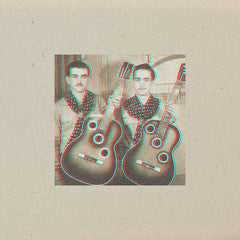
クイックビュー
{"id":7939703767290,"title":"Various Artists \/\/ River of Revenge: Brazilian Country Music 1929-1961, Vol. 2 TAPE","handle":"various-artists-river-of-revenge-brazilian-country-music-1929-1961-vol-2-tape","description":"\u003cp\u003e20-60年代のブラジルのカントリー音楽のコンピレーションカセットです。DLコード付属。 以下、レーベルによる解説です。\u003c\/p\u003e\n\u003cp\u003e\u003cmeta charset=\"UTF-8\"\u003e\u003cem\u003eブラジルのカントリー・ミュージック、ムジカ・カイピラ(ヒルビリー・ミュージック)の調査第2弾です。このコレクションは、1920年代末に先駆的な民俗学者コルネリオ・ピレスによって録音された初期のものから、30年代、40年代、50年代、60年代初頭のレコードまでをカバーしています。\u003c\/em\u003e\u003cbr data-mce-fragment=\"1\"\u003e\u003cbr data-mce-fragment=\"1\"\u003e\u003cem\u003eポルトガルのトルバドール民謡の伝統に根ざしたカイピラ音楽は、通常、デュオが3分の1と6分の1を平行して歌い、ポルトガル・ブラジルの様式であるモーダ・デ・ヴィオラ(ヴィオラはカイピラというブラジル風の10弦ギター)を取り入れて演奏されます。ブラジル北東部の「奥地」風の地域から生まれたこれらの曲は、痛み、愛、喪失、裏切りの物語を、しばしば、独自のチューニングを用いた自作ギターをバックに歌います。セルタネージャの洗練されたポップカントリーやウェスタンスタイルから離れたこれらのレコーディングは、アメリカのダストボールやアパラチアのルーツミュージックに相当するブラジルの音楽と見なすことができるでしょう。\u003c\/em\u003e\u003cbr data-mce-fragment=\"1\"\u003e\u003cbr\u003e\u003c\/p\u003e\n\u003ciframe src=\"https:\/\/bandcamp.com\/EmbeddedPlayer\/album=4196799316\/size=large\/bgcol=ffffff\/linkcol=0687f5\/tracklist=false\/artwork=small\/transparent=true\/\" style=\"border: 0; width: 100%; height: 120px;\" seamless=\"\"\u003e\u003c\/iframe\u003e\n\u003cp\u003eレーベルその他作品は\u003ca href=\"https:\/\/tobirarecords.com\/collections\/dinte\" data-mce-href=\"https:\/\/tobirarecords.com\/collections\/dinte\"\u003eこちら\u003c\/a\u003e \/\/\/ Click \u003ca href=\"https:\/\/tobirarecords.com\/collections\/dinte\" data-mce-href=\"https:\/\/tobirarecords.com\/collections\/dinte\"\u003ehere\u003c\/a\u003e to see more Death Is Not The End releases available at Tobira.\u003c\/p\u003e\n\u003cp\u003e----------------------\u003c\/p\u003e\n\u003cp\u003eDeath Is Not The End:\u003c\/p\u003e\n\u003cp\u003e\"\u003cmeta charset=\"utf-8\"\u003e\u003cem\u003eThe second volume in a survey of a form of Brazilian country music known as música caipira (\"hillbilly music\") - a stripped-back forerunner to música sertaneja, the Brazilian equivalent to US country \u0026amp; western which in it's contemporary form has come to dominate the domestic music industry in recent decades. This collection covers some of the earliest recordings made by the pioneering folklorist Cornélio Pires at the end of the 1920s, through to records from the 30s, 40s \u0026amp; 50s and the beginning of the 60s.\u003c\/em\u003e\u003cbr data-mce-fragment=\"1\"\u003e\u003cbr data-mce-fragment=\"1\"\u003e\u003cem\u003eSomewhat rooted in Portuguese troubadour folk traditions, música caipira is typically performed by a duo singing in parallel thirds and sixths, drawing upon a Portuguese-Brazilian style known as moda de viola - with the viola being the viola caipira, a Brazilian-style ten-string guitar that is the core instrument of the music. Born out of the \"outback\"-style region in north-eastern Brazil, these songs tell stories of pain, love, loss \u0026amp; betrayal - often backed by homemade guitars using invented tunings. Away from the polished pop country \u0026amp; western-stylings of the sertaneja, these recordings could be viewed as the Brazilian equivalent to the roots music of the American dustbowl or Appalachia.\"\u003c\/em\u003e\u003c\/p\u003e\n\u003cp\u003eArtist : Various Artists\u003c\/p\u003e\n\u003cp\u003eLabel : Death Is Not The End\u003c\/p\u003e","published_at":"2023-03-18T14:26:29+09:00","created_at":"2023-03-18T11:56:44+09:00","vendor":"Tobira Records","type":"","tags":["death is not the end","field recording","folk \/ left-field pop","tape"],"price":235000,"price_min":235000,"price_max":235000,"available":false,"price_varies":false,"compare_at_price":null,"compare_at_price_min":0,"compare_at_price_max":0,"compare_at_price_varies":false,"variants":[{"id":44097563918586,"title":"Default Title","option1":"Default Title","option2":null,"option3":null,"sku":"","requires_shipping":true,"taxable":true,"featured_image":null,"available":false,"name":"Various Artists \/\/ River of Revenge: Brazilian Country Music 1929-1961, Vol. 2 TAPE","public_title":null,"options":["Default Title"],"price":235000,"weight":60,"compare_at_price":null,"inventory_management":"shopify","barcode":null,"requires_selling_plan":false,"selling_plan_allocations":[],"quantity_rule":{"min":1,"max":null,"increment":1}}],"images":["\/\/tobirarecords.com\/cdn\/shop\/products\/ri1_d4684a01-f305-4b91-be91-927258459ff3.jpg?v=1679108205","\/\/tobirarecords.com\/cdn\/shop\/products\/ri2_25d5b85a-e46a-423e-b172-b1a7286b5f03.jpg?v=1679108205"],"featured_image":"\/\/tobirarecords.com\/cdn\/shop\/products\/ri1_d4684a01-f305-4b91-be91-927258459ff3.jpg?v=1679108205","options":["Title"],"media":[{"alt":null,"id":31697217913082,"position":1,"preview_image":{"aspect_ratio":1.0,"height":700,"width":700,"src":"\/\/tobirarecords.com\/cdn\/shop\/products\/ri1_d4684a01-f305-4b91-be91-927258459ff3.jpg?v=1679108205"},"aspect_ratio":1.0,"height":700,"media_type":"image","src":"\/\/tobirarecords.com\/cdn\/shop\/products\/ri1_d4684a01-f305-4b91-be91-927258459ff3.jpg?v=1679108205","width":700},{"alt":null,"id":31697217945850,"position":2,"preview_image":{"aspect_ratio":1.0,"height":1200,"width":1200,"src":"\/\/tobirarecords.com\/cdn\/shop\/products\/ri2_25d5b85a-e46a-423e-b172-b1a7286b5f03.jpg?v=1679108205"},"aspect_ratio":1.0,"height":1200,"media_type":"image","src":"\/\/tobirarecords.com\/cdn\/shop\/products\/ri2_25d5b85a-e46a-423e-b172-b1a7286b5f03.jpg?v=1679108205","width":1200}],"requires_selling_plan":false,"selling_plan_groups":[],"content":"\u003cp\u003e20-60年代のブラジルのカントリー音楽のコンピレーションカセットです。DLコード付属。 以下、レーベルによる解説です。\u003c\/p\u003e\n\u003cp\u003e\u003cmeta charset=\"UTF-8\"\u003e\u003cem\u003eブラジルのカントリー・ミュージック、ムジカ・カイピラ(ヒルビリー・ミュージック)の調査第2弾です。このコレクションは、1920年代末に先駆的な民俗学者コルネリオ・ピレスによって録音された初期のものから、30年代、40年代、50年代、60年代初頭のレコードまでをカバーしています。\u003c\/em\u003e\u003cbr data-mce-fragment=\"1\"\u003e\u003cbr data-mce-fragment=\"1\"\u003e\u003cem\u003eポルトガルのトルバドール民謡の伝統に根ざしたカイピラ音楽は、通常、デュオが3分の1と6分の1を平行して歌い、ポルトガル・ブラジルの様式であるモーダ・デ・ヴィオラ(ヴィオラはカイピラというブラジル風の10弦ギター)を取り入れて演奏されます。ブラジル北東部の「奥地」風の地域から生まれたこれらの曲は、痛み、愛、喪失、裏切りの物語を、しばしば、独自のチューニングを用いた自作ギターをバックに歌います。セルタネージャの洗練されたポップカントリーやウェスタンスタイルから離れたこれらのレコーディングは、アメリカのダストボールやアパラチアのルーツミュージックに相当するブラジルの音楽と見なすことができるでしょう。\u003c\/em\u003e\u003cbr data-mce-fragment=\"1\"\u003e\u003cbr\u003e\u003c\/p\u003e\n\u003ciframe src=\"https:\/\/bandcamp.com\/EmbeddedPlayer\/album=4196799316\/size=large\/bgcol=ffffff\/linkcol=0687f5\/tracklist=false\/artwork=small\/transparent=true\/\" style=\"border: 0; width: 100%; height: 120px;\" seamless=\"\"\u003e\u003c\/iframe\u003e\n\u003cp\u003eレーベルその他作品は\u003ca href=\"https:\/\/tobirarecords.com\/collections\/dinte\" data-mce-href=\"https:\/\/tobirarecords.com\/collections\/dinte\"\u003eこちら\u003c\/a\u003e \/\/\/ Click \u003ca href=\"https:\/\/tobirarecords.com\/collections\/dinte\" data-mce-href=\"https:\/\/tobirarecords.com\/collections\/dinte\"\u003ehere\u003c\/a\u003e to see more Death Is Not The End releases available at Tobira.\u003c\/p\u003e\n\u003cp\u003e----------------------\u003c\/p\u003e\n\u003cp\u003eDeath Is Not The End:\u003c\/p\u003e\n\u003cp\u003e\"\u003cmeta charset=\"utf-8\"\u003e\u003cem\u003eThe second volume in a survey of a form of Brazilian country music known as música caipira (\"hillbilly music\") - a stripped-back forerunner to música sertaneja, the Brazilian equivalent to US country \u0026amp; western which in it's contemporary form has come to dominate the domestic music industry in recent decades. This collection covers some of the earliest recordings made by the pioneering folklorist Cornélio Pires at the end of the 1920s, through to records from the 30s, 40s \u0026amp; 50s and the beginning of the 60s.\u003c\/em\u003e\u003cbr data-mce-fragment=\"1\"\u003e\u003cbr data-mce-fragment=\"1\"\u003e\u003cem\u003eSomewhat rooted in Portuguese troubadour folk traditions, música caipira is typically performed by a duo singing in parallel thirds and sixths, drawing upon a Portuguese-Brazilian style known as moda de viola - with the viola being the viola caipira, a Brazilian-style ten-string guitar that is the core instrument of the music. Born out of the \"outback\"-style region in north-eastern Brazil, these songs tell stories of pain, love, loss \u0026amp; betrayal - often backed by homemade guitars using invented tunings. Away from the polished pop country \u0026amp; western-stylings of the sertaneja, these recordings could be viewed as the Brazilian equivalent to the roots music of the American dustbowl or Appalachia.\"\u003c\/em\u003e\u003c\/p\u003e\n\u003cp\u003eArtist : Various Artists\u003c\/p\u003e\n\u003cp\u003eLabel : Death Is Not The End\u003c\/p\u003e"}
You may also like:
20-60年代のブラジルのカントリー音楽のコンピレーションカセットです。DLコード付属。 以下、レーベルによる解説です。 ブラジルのカントリー・ミュージック、ムジカ・カイピラ(ヒルビリー・ミュージック)の調査第2弾です。このコレクションは、1920年代末に先駆的な民俗学者コルネリオ・ピレスによって録音された初期のものから、30年代、40年代、50年代、60年代初頭のレコードまでをカバーしています。ポルトガルのトルバドール民謡の伝統に根ざしたカイピラ音楽は、通常、デュオが3分の1と6分の1を平行して歌い、ポルトガル・ブラジルの様式であるモーダ・デ・ヴィオラ(ヴィオラはカイピラというブラジル風の10弦ギター)を取り入れて演奏されます。ブラジル北東部の「奥地」風の地域から生まれたこれらの曲は、痛み、愛、喪失、裏切りの物語を、しばしば、独自のチューニングを用いた自作ギターをバックに歌います。セルタネージャの洗練されたポップカントリーやウェスタンスタイルから離れたこれらのレコーディングは、アメリカのダストボールやアパラチアのルーツミュージックに相当するブラジルの音楽と見なすことができるでしょう。 レーベルその他作品はこちら /// Click here to see more Death Is Not The End releases available...
Sold Out

クイックビュー
{"id":7925527904506,"title":"Various Artists \/\/ Longing for the Shadow: Ryūkōka Recordings, 1921-1939 LP","handle":"various-artists-longing-for-the-shadow-ryukoka-recordings-1921-1939-lp","description":"\u003cp\u003e1920-1930年代の日本の流行歌のコンピレーションレコードです。\u003c\/p\u003e\n\u003ciframe style=\"border: 0; width: 100%; height: 120px;\" src=\"https:\/\/bandcamp.com\/EmbeddedPlayer\/album=4252093764\/size=large\/bgcol=ffffff\/linkcol=0687f5\/tracklist=false\/artwork=small\/transparent=true\/\" seamless=\"\"\u003e\u003c\/iframe\u003e\n\u003cp\u003eレーベルその他作品は\u003ca href=\"https:\/\/tobirarecords.com\/collections\/dinte\" data-mce-href=\"https:\/\/tobirarecords.com\/collections\/dinte\"\u003eこちら\u003c\/a\u003e \/\/\/ Click \u003ca href=\"https:\/\/tobirarecords.com\/collections\/dinte\" data-mce-href=\"https:\/\/tobirarecords.com\/collections\/dinte\"\u003ehere\u003c\/a\u003e to see more Death Is Not The End releases available at Tobira.\u003c\/p\u003e\n\u003cp\u003e----------------------\u003c\/p\u003e\n\u003cp\u003e\u003cstrong\u003eTracklist:\u003c\/strong\u003e\u003c\/p\u003e\n\u003col\u003e\n\u003cli\u003eSeki Taneko - Akemi's Poems 03:26\u003c\/li\u003e\n\u003cli\u003eKusunoki Shigeo - Longing for the Shadow 03:35\u003c\/li\u003e\n\u003cli\u003eYayoi Tanaka - Sad Gull 03:24\u003c\/li\u003e\n\u003cli\u003eAkasaka Koume - Please Forgive Me 03:12\u003c\/li\u003e\n\u003cli\u003eIchimaru - If You Go Down the Tenryū 03:15\u003c\/li\u003e\n\u003cli\u003eMitsuko Nemoto - Cosmos Elegy 02:45\u003c\/li\u003e\n\u003cli\u003eIchirō Fujiyama - Tokyo Daughter 02:44\u003c\/li\u003e\n\u003cli\u003eChiyako Sato - Skyscraper 03:10\u003c\/li\u003e\n\u003cli\u003eYayoi Tanaka - The Dream Is Short Lived 03:05\u003c\/li\u003e\n\u003cli\u003eIchirō Fujiyama \u0026amp; Masao Koga - Is Sake Tears or Sighs? 03:27\u003c\/li\u003e\n\u003cli\u003eOtomaru - Yoneyama Sanri 03:25\u003c\/li\u003e\n\u003cli\u003eHamako Watanabe - I Don't Forget 03:13\u003c\/li\u003e\n\u003cli\u003eAkasaka Koume - Asama Smoke 03:40\u003c\/li\u003e\n\u003cli\u003eYoshio Tabata - Farewell Ship 03:38\u003c\/li\u003e\n\u003cli\u003eIchirō Fujiyama - Farewell Youth 02:46\u003c\/li\u003e\n\u003cli\u003eKouta Katsutaro - Stand Up Tomorrow 03:16\u003c\/li\u003e\n\u003c\/ol\u003e\n\u003cp\u003e\u003cmeta charset=\"utf-8\"\u003e\u003cspan\u003eDeath Is Not The End:\u003c\/span\u003e\u003c\/p\u003e\n\u003cp\u003e\"\u003cmeta charset=\"utf-8\"\u003e\u003cem\u003eEmerging during the early stages of the recording industry in Japan, the ryūkōka style adopted western classical, blues \u0026amp; jazz elements into traditional and classical Japanese music.\u003c\/em\u003e\u003cbr data-mce-fragment=\"1\"\u003e\u003cbr data-mce-fragment=\"1\"\u003e\u003cem\u003eThis collection of 1920s \u0026amp; 30s ryūkōka recordings follows on from the Kouta Katsutaro tape we put out a couple of years back, and further captures the hauntingly unique sound of a cultural merging that was starting to reflect itself via popular song, ahead of the widespread influence of western pop music during post-war US occupation.\"\u003c\/em\u003e \u003c\/p\u003e\n\u003cp\u003eArtist : Various Artists\u003c\/p\u003e\n\u003cp\u003eLabel : Death Is Not The End\u003c\/p\u003e","published_at":"2023-02-25T16:40:41+09:00","created_at":"2023-02-25T15:31:21+09:00","vendor":"Tobira Records","type":"","tags":["asia","death is not the end","field recording","lp"],"price":409000,"price_min":409000,"price_max":409000,"available":false,"price_varies":false,"compare_at_price":null,"compare_at_price_min":0,"compare_at_price_max":0,"compare_at_price_varies":false,"variants":[{"id":44023441522938,"title":"Default Title","option1":"Default Title","option2":null,"option3":null,"sku":"","requires_shipping":true,"taxable":true,"featured_image":null,"available":false,"name":"Various Artists \/\/ Longing for the Shadow: Ryūkōka Recordings, 1921-1939 LP","public_title":null,"options":["Default Title"],"price":409000,"weight":430,"compare_at_price":null,"inventory_management":"shopify","barcode":null,"requires_selling_plan":false,"selling_plan_allocations":[],"quantity_rule":{"min":1,"max":null,"increment":1}}],"images":["\/\/tobirarecords.com\/cdn\/shop\/products\/lo1_c27d6d7e-a42f-4716-b6e5-08bc3f5ae347.jpg?v=1677306720","\/\/tobirarecords.com\/cdn\/shop\/products\/lo2_fed987dd-0776-4c8e-bf31-ad191f19a163.jpg?v=1677306719"],"featured_image":"\/\/tobirarecords.com\/cdn\/shop\/products\/lo1_c27d6d7e-a42f-4716-b6e5-08bc3f5ae347.jpg?v=1677306720","options":["Title"],"media":[{"alt":null,"id":31584866402554,"position":1,"preview_image":{"aspect_ratio":1.0,"height":700,"width":700,"src":"\/\/tobirarecords.com\/cdn\/shop\/products\/lo1_c27d6d7e-a42f-4716-b6e5-08bc3f5ae347.jpg?v=1677306720"},"aspect_ratio":1.0,"height":700,"media_type":"image","src":"\/\/tobirarecords.com\/cdn\/shop\/products\/lo1_c27d6d7e-a42f-4716-b6e5-08bc3f5ae347.jpg?v=1677306720","width":700},{"alt":null,"id":31584866435322,"position":2,"preview_image":{"aspect_ratio":1.412,"height":850,"width":1200,"src":"\/\/tobirarecords.com\/cdn\/shop\/products\/lo2_fed987dd-0776-4c8e-bf31-ad191f19a163.jpg?v=1677306719"},"aspect_ratio":1.412,"height":850,"media_type":"image","src":"\/\/tobirarecords.com\/cdn\/shop\/products\/lo2_fed987dd-0776-4c8e-bf31-ad191f19a163.jpg?v=1677306719","width":1200}],"requires_selling_plan":false,"selling_plan_groups":[],"content":"\u003cp\u003e1920-1930年代の日本の流行歌のコンピレーションレコードです。\u003c\/p\u003e\n\u003ciframe style=\"border: 0; width: 100%; height: 120px;\" src=\"https:\/\/bandcamp.com\/EmbeddedPlayer\/album=4252093764\/size=large\/bgcol=ffffff\/linkcol=0687f5\/tracklist=false\/artwork=small\/transparent=true\/\" seamless=\"\"\u003e\u003c\/iframe\u003e\n\u003cp\u003eレーベルその他作品は\u003ca href=\"https:\/\/tobirarecords.com\/collections\/dinte\" data-mce-href=\"https:\/\/tobirarecords.com\/collections\/dinte\"\u003eこちら\u003c\/a\u003e \/\/\/ Click \u003ca href=\"https:\/\/tobirarecords.com\/collections\/dinte\" data-mce-href=\"https:\/\/tobirarecords.com\/collections\/dinte\"\u003ehere\u003c\/a\u003e to see more Death Is Not The End releases available at Tobira.\u003c\/p\u003e\n\u003cp\u003e----------------------\u003c\/p\u003e\n\u003cp\u003e\u003cstrong\u003eTracklist:\u003c\/strong\u003e\u003c\/p\u003e\n\u003col\u003e\n\u003cli\u003eSeki Taneko - Akemi's Poems 03:26\u003c\/li\u003e\n\u003cli\u003eKusunoki Shigeo - Longing for the Shadow 03:35\u003c\/li\u003e\n\u003cli\u003eYayoi Tanaka - Sad Gull 03:24\u003c\/li\u003e\n\u003cli\u003eAkasaka Koume - Please Forgive Me 03:12\u003c\/li\u003e\n\u003cli\u003eIchimaru - If You Go Down the Tenryū 03:15\u003c\/li\u003e\n\u003cli\u003eMitsuko Nemoto - Cosmos Elegy 02:45\u003c\/li\u003e\n\u003cli\u003eIchirō Fujiyama - Tokyo Daughter 02:44\u003c\/li\u003e\n\u003cli\u003eChiyako Sato - Skyscraper 03:10\u003c\/li\u003e\n\u003cli\u003eYayoi Tanaka - The Dream Is Short Lived 03:05\u003c\/li\u003e\n\u003cli\u003eIchirō Fujiyama \u0026amp; Masao Koga - Is Sake Tears or Sighs? 03:27\u003c\/li\u003e\n\u003cli\u003eOtomaru - Yoneyama Sanri 03:25\u003c\/li\u003e\n\u003cli\u003eHamako Watanabe - I Don't Forget 03:13\u003c\/li\u003e\n\u003cli\u003eAkasaka Koume - Asama Smoke 03:40\u003c\/li\u003e\n\u003cli\u003eYoshio Tabata - Farewell Ship 03:38\u003c\/li\u003e\n\u003cli\u003eIchirō Fujiyama - Farewell Youth 02:46\u003c\/li\u003e\n\u003cli\u003eKouta Katsutaro - Stand Up Tomorrow 03:16\u003c\/li\u003e\n\u003c\/ol\u003e\n\u003cp\u003e\u003cmeta charset=\"utf-8\"\u003e\u003cspan\u003eDeath Is Not The End:\u003c\/span\u003e\u003c\/p\u003e\n\u003cp\u003e\"\u003cmeta charset=\"utf-8\"\u003e\u003cem\u003eEmerging during the early stages of the recording industry in Japan, the ryūkōka style adopted western classical, blues \u0026amp; jazz elements into traditional and classical Japanese music.\u003c\/em\u003e\u003cbr data-mce-fragment=\"1\"\u003e\u003cbr data-mce-fragment=\"1\"\u003e\u003cem\u003eThis collection of 1920s \u0026amp; 30s ryūkōka recordings follows on from the Kouta Katsutaro tape we put out a couple of years back, and further captures the hauntingly unique sound of a cultural merging that was starting to reflect itself via popular song, ahead of the widespread influence of western pop music during post-war US occupation.\"\u003c\/em\u003e \u003c\/p\u003e\n\u003cp\u003eArtist : Various Artists\u003c\/p\u003e\n\u003cp\u003eLabel : Death Is Not The End\u003c\/p\u003e"}
You may also like:
1920-1930年代の日本の流行歌のコンピレーションレコードです。 レーベルその他作品はこちら /// Click here to see more Death Is Not The End releases available at Tobira....
Sold Out